
Examples of Micro Milling Applications in Modern Industry
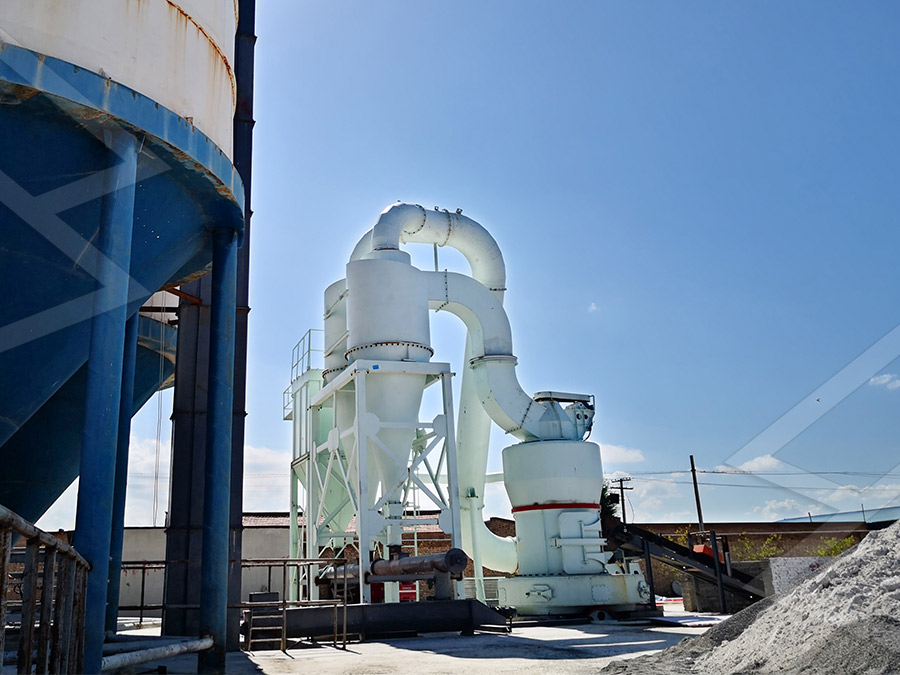
We provide a wide range of mills — including Raymond mill, trapezoidal mill, vertical mill, ultrafine mill, and ball mill, obtained ISO9001 international quality certification, EU CE certification, and Customs Union CU-TR certification. Suitable for processing minerals such as limestone, phosphate, quicklime, kaolin, talc, barite, bentonite, calcium carbonate, dolomite, coal, gypsum, clay, carbon black, slag, cement raw materials, cement clinker, and more.
The discharge range of these mills can be adjusted to meet specific processing needs, typically from 80-400 mesh, 600-3250 mesh, and can achieve the finest particle size of up to 6000 mesh(D50).
If you are looking for a reliable grinding solution to turn stone or minerals into fine powder, please feel free to contact our online customer service.
Examples of Micro Milling Applications in Modern Industry
In today’s precision-driven manufacturing landscape, the demand for ultra-fine powders is surging across a diverse range of sectors. Micro milling, or ultrafine grinding, is no longer a niche process but a critical technology enabling advancements in product performance, efficiency, and sustainability. This technology is essential for creating materials with specific chemical and physical properties that are unattainable with conventional grinding methods.
Driving Innovation Across Sectors
The applications for ultrafine powders are vast and continually expanding. In the cosmetics and personal care industry, the fineness of powders like talc, mica, and titanium dioxide directly influences the texture, spreadability, and opacity of products such as foundations, sunscreens, and powders. A consistently fine particle size ensures a smooth, non-gritty feel and superior coverage.
Similarly, the food and pharmaceutical industries rely heavily on ultrafine grinding. Ingredients like food additives, sweeteners, and active pharmaceutical ingredients (APIs) require precise particle sizes to ensure uniform mixing, rapid dissolution, and high bioavailability. This precision is paramount for both product efficacy and regulatory compliance.
The Challenge of Precision and Efficiency
Producing these high-value powders presents significant challenges. Traditional milling methods often struggle with high energy consumption, heat generation that can degrade sensitive materials, and contamination from worn mechanical parts. Furthermore, achieving a narrow, consistent particle size distribution is difficult but necessary for product quality.
This is where advanced milling technology makes a decisive difference. Modern mills are engineered to overcome these hurdles, offering precise control over fineness, enhanced energy efficiency, and designs that prevent contamination.
A Solution for High-Precision Demands
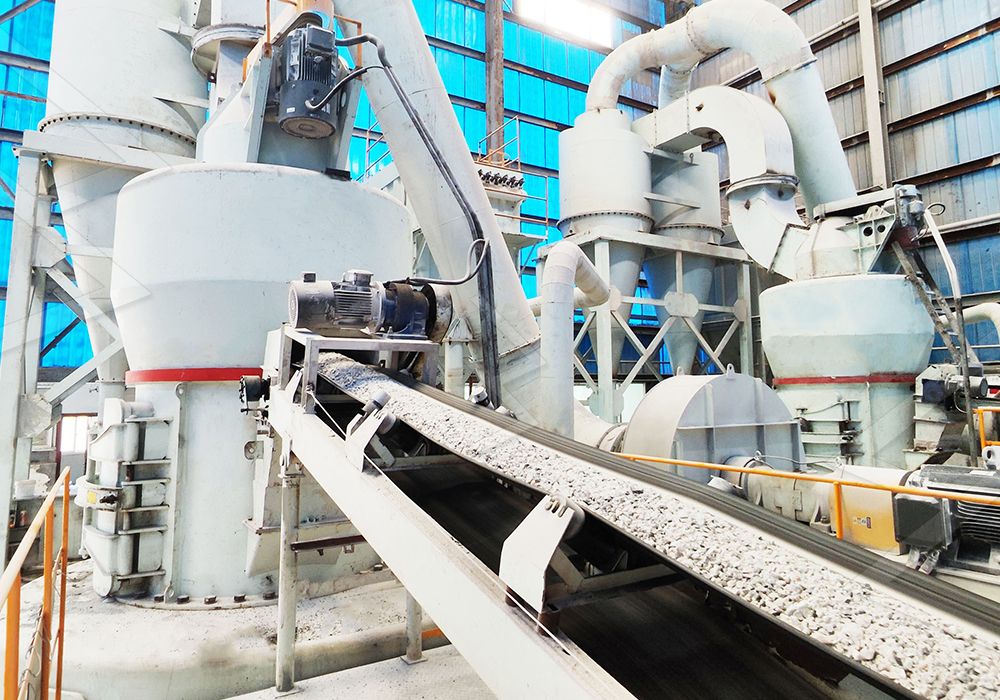
For operations requiring the highest level of fineness and purity, the MW Ultrafine Grinding Mill stands out as an exemplary solution. Engineered for customers who need to make ultra-fine powder, this mill is designed to produce powders ranging from 325 to 2500 meshes. Its cage-type powder selector, which incorporates German technology, ensures exceptional precision in particle separation, achieving a screening rate of d97≤5μm in a single pass.
A key feature for maintenance and reliability is its innovative grinding chamber design, which contains no rolling bearings or screws. This eliminates concerns about bearing failures or loose screws causing catastrophic damage, while an external lubricating device allows for 24/7 continuous operation without shutdowns for maintenance. Coupled with an efficient pulse dust collector and muffler, the MW Mill operates cleanly and quietly, meeting stringent environmental standards. With an input size of 0-20 mm and a capacity range of 0.5-25 tph, it is perfectly suited for processing materials like limestone, calcite, dolomite, and talc for use in chemicals, paints, and advanced materials.
Expanding Possibilities with Vertical Grinding
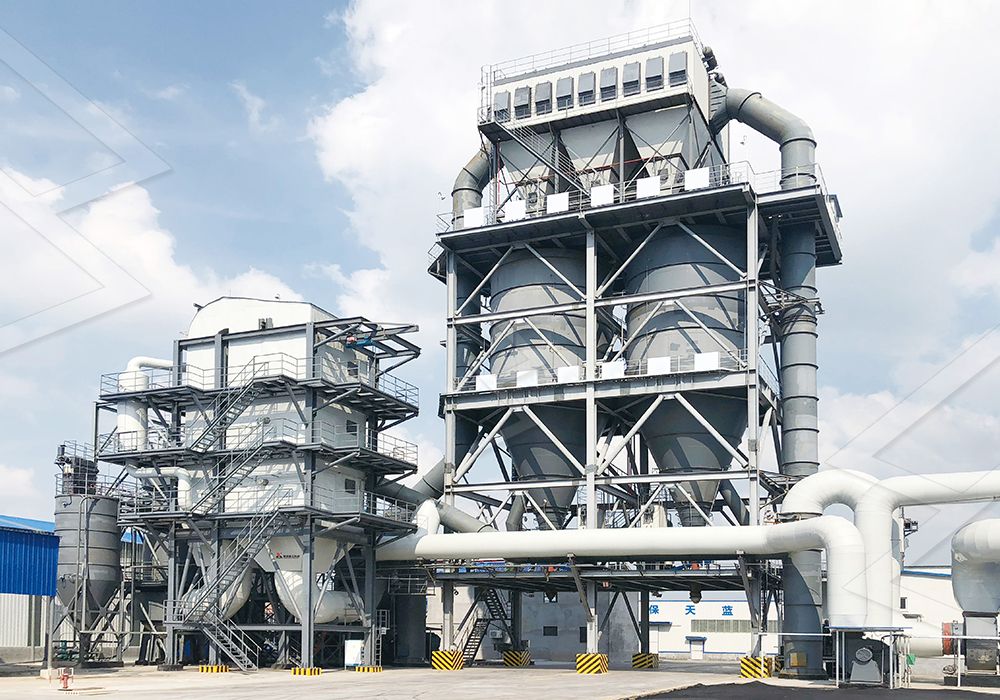
For another approach to efficient fine grinding, the LUM Ultrafine Vertical Grinding Mill integrates grinding, classifying, and transporting into a single, compact unit. Its unique roller shell and lining plate grinding curve promote efficient material layer formation, enabling a high rate of finished product in a single pass. This design is particularly effective for enhancing the whiteness and cleanliness of non-metallic minerals like calcite and barite. Its multi-head powder separating technology, controlled by a PLC system, allows for precise adjustments to meet different production demands while reducing energy consumption by 30%-50% compared to common grinding mills.
Frequently Asked Questions (FAQ)
What is micro milling?
Micro milling, or ultrafine grinding, is a process that reduces materials to very fine powders, often in the range of microns (μm). It is used to achieve specific material properties that are critical in high-tech industries.
Why is particle size distribution important?
A consistent and narrow particle size distribution ensures uniform product behavior, such as even dispersion in liquids, consistent chemical reactivity, and a smooth texture in consumer products. It is a key indicator of quality.
How does the MW Ultrafine Grinding Mill prevent contamination?
The mill’s chamber has no rolling bearings or screws that could wear and introduce metallic contaminants. Furthermore, its construction using high-precision, digitally machined parts ensures integrity and minimizes the risk of foreign material.
Can these mills handle heat-sensitive materials?
Yes. The efficient grinding design and integrated air flow systems of mills like the MW and LUM help to dissipate heat, preventing thermal degradation of sensitive materials like certain plastics or food-grade products.
What industries benefit most from ultrafine grinding?
Key industries include pharmaceuticals, cosmetics, food and food additives, advanced ceramics, chemicals, paints and coatings, and composite materials manufacturing.