
Price of Quarry Process Mill Machines and Their Key Advantages
We provide a wide range of mills — including Raymond mill, trapezoidal mill, vertical mill, ultrafine mill, and ball mill, obtained ISO9001 international quality certification, EU CE certification, and Customs Union CU-TR certification. Suitable for processing minerals such as limestone, phosphate, quicklime, kaolin, talc, barite, bentonite, calcium carbonate, dolomite, coal, gypsum, clay, carbon black, slag, cement raw materials, cement clinker, and more.
The discharge range of these mills can be adjusted to meet specific processing needs, typically from 80-400 mesh, 600-3250 mesh, and can achieve the finest particle size of up to 6000 mesh(D50).
If you are looking for a reliable grinding solution to turn stone or minerals into fine powder, please feel free to contact our online customer service.
Navigating the Investment in Quarry Process Mill Machinery
Investing in the right grinding mill is a critical decision for any quarry or mineral processing operation. The price of these machines is not merely a reflection of their initial cost but a complex equation that includes factors like production capacity, energy efficiency, maintenance requirements, and the total cost of ownership over the equipment’s lifespan. While upfront costs are a consideration, the long-term operational advantages and return on investment often justify selecting a more advanced, albeit potentially higher-priced, model.
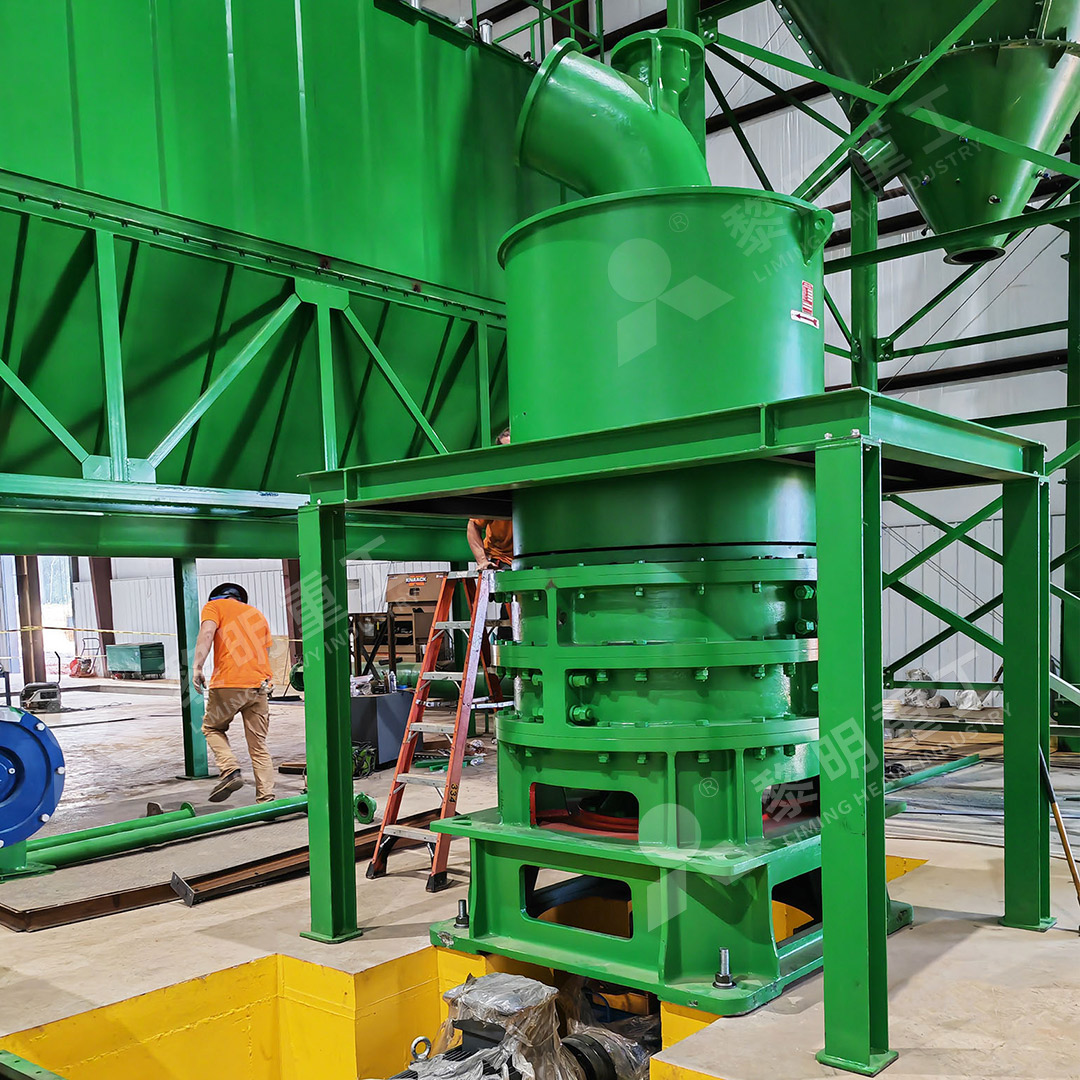
Key Advantages of Modern Grinding Mills
Today’s quarry process mills are engineered for peak performance, integrating technologies that deliver significant operational benefits. The primary advantages that directly impact your bottom line include:
- Higher Yielding at Lower Energy Consumption: Advanced designs in grinding curves and roller technology drastically improve efficiency. For instance, some mills can achieve production capacities 40% higher than jet or stirred grinding mills with the same power input, effectively slashing energy costs per ton of output.
- Precision and Flexibility in Product Fineness: Modern mills offer unparalleled control over the final product. With adjustable fineness ranges, such as between 325 to 2500 meshes, operators can precisely meet diverse customer specifications for various applications, from construction materials to high-value industrial powders.
- Enhanced Reliability and Simplified Maintenance: Innovative designs eliminate common failure points. The absence of rolling bearings and screws within the grinding chamber, a feature of some leading models, removes worries about bearing seizures or damage from loose components. External lubrication systems further allow for maintenance without production stoppages.
- Eco-Friendly and Compliant Operation: Integrated pulse dust collectors and advanced muffling systems ensure that operations meet stringent environmental standards. This means no dust pollution and significantly reduced noise levels, making the mill a good neighbor and compliant with regulations.
- Digital Precision and Worry-Free Support: CNC-machined core parts guarantee high precision and longevity. Furthermore, partnering with a manufacturer that provides a sufficient supply of original spare parts and technical support ensures continuous, worry-free operation.
A Closer Look at a Top Performer: The MW Ultrafine Grinding Mill
For operations requiring ultra-fine powder production, the MW Ultrafine Grinding Mill stands out as a premier choice. This machine is specifically engineered for customers who need to make high-purity, ultra-fine powder from materials like limestone, calcite, dolomite, and talc.
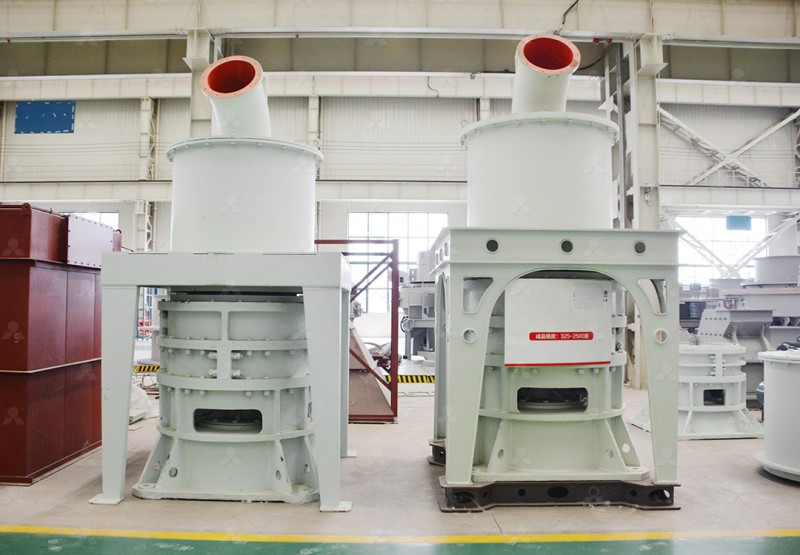
Its key advantages are a testament to modern milling technology. It boasts a 40% higher production capacity compared to similar mills while reducing system energy consumption to just 30% of a jet mill’s usage. Its German-technology cage-type powder selector ensures precise separation, allowing operators to adjust the product fineness between 325-2500 meshes. Perhaps most notably, its design eliminates internal rolling bearings and screws, drastically reducing maintenance headaches and the risk of unexpected downtime. For any operation focused on efficiency, output quality, and reliability, the MW Ultrafine Grinding Mill represents a sound investment.
Considering the LUM Ultrafine Vertical Alternative
Another exceptional option for ultrafine powder grinding is the LUM Ultrafine Vertical Grinding Mill. This mill integrates the latest grinding roller and powder separating technology from Taiwan and Germany. It excels in providing a higher yielding rate and better product quality, thanks to its unique roller shell and lining plate grinding curve which is easier to generate a material layer. It is also remarkably energy-saving, reducing consumption by 30%-50% compared to common grinding mills. Its double position-limiting technology ensures exceptional operational stability, protecting the mill from destructive vibrations.
Frequently Asked Questions (FAQ)
What is the price range for a new quarry process mill?
The price varies significantly based on model, capacity, and configuration. Smaller, standard mills may start in the tens of thousands of dollars, while large, custom-built, high-capacity systems like the MW or LUM series can represent a more substantial investment, often reflecting their advanced technology and superior efficiency.
How does higher energy efficiency affect the total cost?
Dramatically. Energy is one of the largest operational expenses in grinding. A mill that is 30-50% more efficient can save thousands of dollars annually in electricity costs, meaning the higher initial investment can be recouped relatively quickly through lower operating expenses.
Why is the absence of internal bearings an advantage?
Bearings in the grinding chamber are subjected to extreme stress, dust, and heat, making them a common point of failure. Designing them out of this high-wear area eliminates associated downtime and maintenance costs, leading to higher overall availability and lower lifetime costs.
Can these mills handle more abrasive materials?
Yes, but it’s crucial to specify the correct wear-resistant materials for the grinding rollers and rings during the ordering process. Manufacturers offer various alloy options to maximize the service life when processing highly abrasive substances.
What kind of after-sales support is typical?
Reputable manufacturers provide comprehensive support, including installation guidance, operational training, a reliable supply of genuine spare parts, and access to technical service teams to ensure continuous, worry-free operation throughout the machine’s lifecycle.