
List of Stone Crusher and Grinding Mill Manufacturers in Indonesia
We provide a wide range of mills — including Raymond mill, trapezoidal mill, vertical mill, ultrafine mill, and ball mill, obtained ISO9001 international quality certification, EU CE certification, and Customs Union CU-TR certification. Suitable for processing minerals such as limestone, phosphate, quicklime, kaolin, talc, barite, bentonite, calcium carbonate, dolomite, coal, gypsum, clay, carbon black, slag, cement raw materials, cement clinker, and more.
The discharge range of these mills can be adjusted to meet specific processing needs, typically from 80-400 mesh, 600-3250 mesh, and can achieve the finest particle size of up to 6000 mesh(D50).
If you are looking for a reliable grinding solution to turn stone or minerals into fine powder, please feel free to contact our online customer service.
Indonesia’s industrial and construction sectors are experiencing robust growth, driving significant demand for reliable crushing and grinding equipment. The archipelago’s diverse mineral resources and infrastructure projects necessitate a wide range of machinery, from primary crushers to ultra-fine grinding mills. This article explores the key players and technologies shaping this vital industry.
The Indonesian Market Landscape
The mining, quarrying, and construction industries in Indonesia form the backbone of the demand for crushing and grinding machinery. Local manufacturers cater to a spectrum of needs, from small-scale operations to large mining conglomerates. The market is characterized by a mix of domestic companies, which often provide cost-effective and readily available solutions, and international giants that bring cutting-edge technology and global expertise. A key trend is the increasing emphasis on energy efficiency and environmental compliance, pushing manufacturers to innovate beyond traditional ball mills and jaw crushers.
Key Equipment and Technological Advancements
Modern processing plants require a seamless integration of equipment. The process typically begins with primary jaw crushers, followed by secondary cone or impact crushers, and culminates in grinding mills that reduce the material to its final, usable fineness. While traditional technologies like Raymond Mills and Ball Mills are still widely used for their simplicity and lower initial investment, the industry is rapidly adopting more advanced, integrated systems.
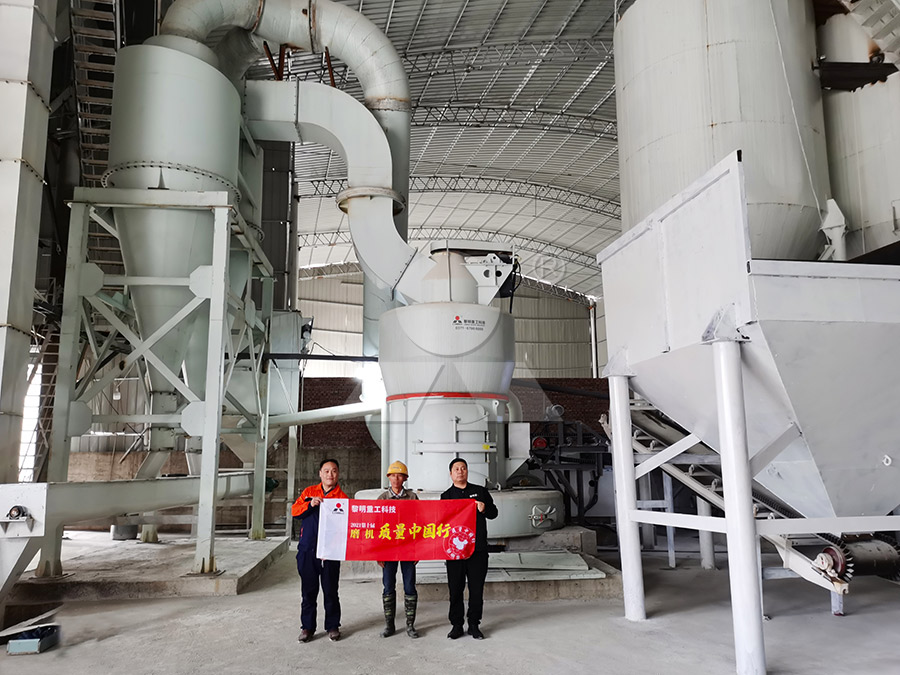
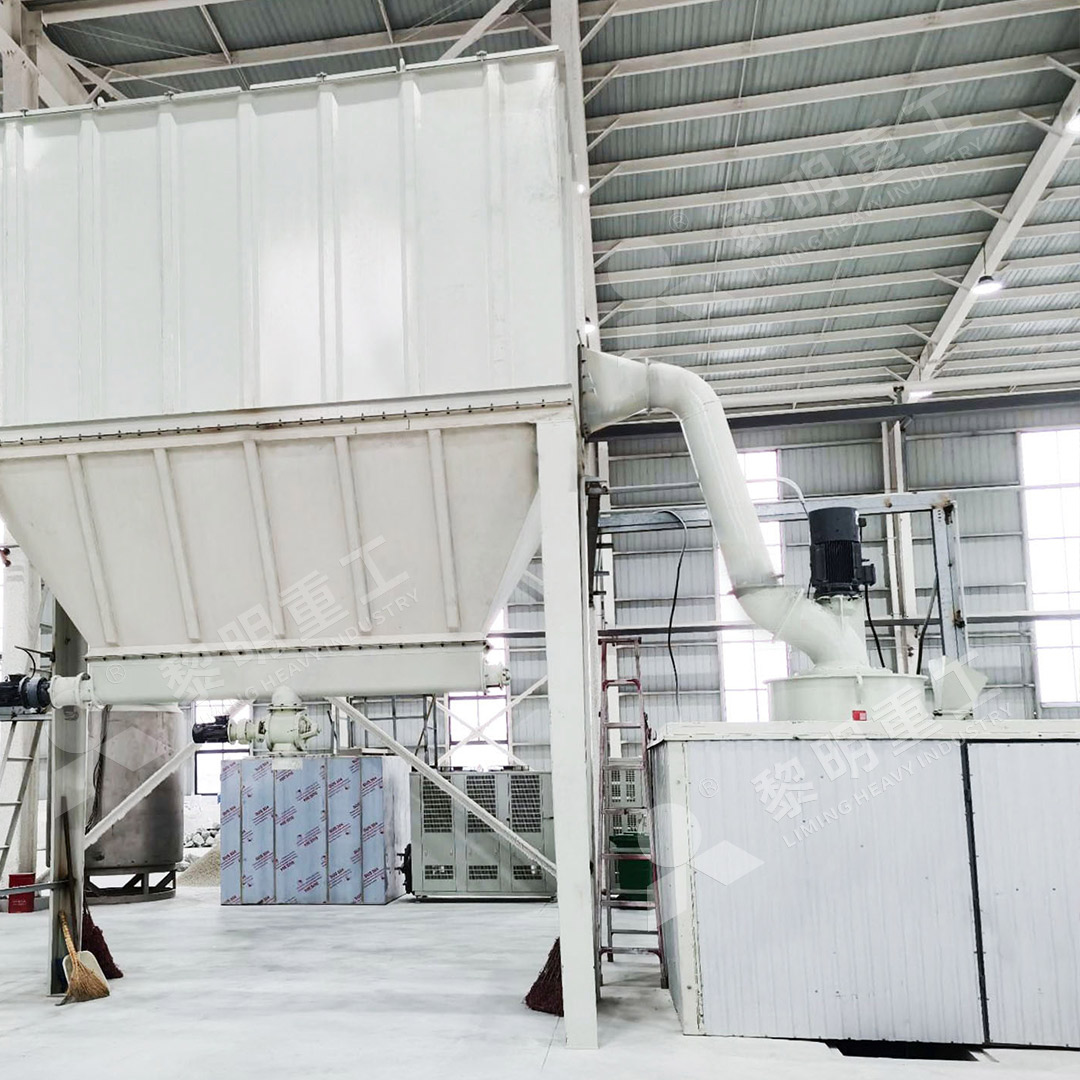
Advanced mills offer superior efficiency, lower energy consumption, and are designed with environmental controls in mind. For operations requiring ultra-fine powders (325-2500 meshes), specialized equipment is essential. A standout solution in this category is the MW Ultrafine Grinding Mill. This mill is engineered for customers who need to produce high-quality ultra-fine powder efficiently. It handles a feed size of 0-20 mm with a capacity ranging from 0.5 to 25 tons per hour.
Its design incorporates an efficient pulse dust collector and muffler, significantly reducing dust and noise emissions for a more environmentally friendly operation. A key technological advantage is the absence of rolling bearings and screws in the grinding chamber, eliminating common failure points and concerns about loose components. Furthermore, its external lubricating device allows for maintenance without shutdowns, supporting continuous 24/7 production. For applications in chemicals, paints, cosmetics, and processing materials like limestone, calcite, and talc, the MW Series provides higher yield and lower energy consumption compared to jet mills or ball mills.
Choosing the Right Partner
Selecting a machinery manufacturer is a critical decision. Beyond the specifications sheet, factors like after-sales service, technical support, and the availability of genuine spare parts are paramount for ensuring long-term, worry-free operation. Manufacturers that control their production from start to finish, often referred to as integrated design and manufacturing, can typically offer more consistent quality and reliable technical backing. It is advisable to partner with suppliers who have a proven track record and can provide comprehensive solutions tailored to specific material characteristics and production goals.
Frequently Asked Questions (FAQ)
What are the main types of grinding mills used in Indonesia?
The market utilizes a range of mills. Traditional options include Ball Mills and Raymond Mills. However, more modern and efficient designs like Vertical Roller Mills (e.g., LM Vertical Mill), European Trapezium Mills (MTW Series), and specialized Ultra-fine Grinding Mills (like the MW Series) are increasingly popular for their energy savings and environmental benefits.
Why is energy efficiency becoming so important?
Grinding operations are typically the most energy-intensive stage in mineral processing. Energy-efficient mills directly translate to lower operating costs and a reduced carbon footprint, which is both economically advantageous and aligns with increasingly strict environmental regulations.
What should I look for in an ultra-fine grinding mill?
Key considerations include the achievable fineness range (e.g., 325-2500 meshes), energy consumption per ton of output, the reliability of the grinding system (e.g., designs that avoid bearings in the chamber), and built-in environmental controls for dust and noise. The ability to perform external maintenance without stopping production is a significant operational advantage.
How crucial is after-sales support?
Extremely crucial. Machinery requires periodic maintenance and eventual part replacements. A manufacturer that provides readily available original spare parts and responsive technical service ensures minimal downtime, protecting your investment and maintaining production continuity.