
Optimizing Phosphate Rock Grinding: Strategies for Improved Resource Utilization in Powder Production
We provide a wide range of mills — including Raymond mill, trapezoidal mill, vertical mill, ultrafine mill, and ball mill, obtained ISO9001 international quality certification, EU CE certification, and Customs Union CU-TR certification. Suitable for processing minerals such as limestone, phosphate, quicklime, kaolin, talc, barite, bentonite, calcium carbonate, dolomite, coal, gypsum, clay, carbon black, slag, cement raw materials, cement clinker, and more.
The discharge range of these mills can be adjusted to meet specific processing needs, typically from 80-400 mesh, 600-3250 mesh, and can achieve the finest particle size of up to 6000 mesh(D50).
If you are looking for a reliable grinding solution to turn stone or minerals into fine powder, please feel free to contact our online customer service.
Optimizing Phosphate Rock Grinding: Strategies for Improved Resource Utilization in Powder Production
The efficient comminution of phosphate rock is a critical step in the fertilizer and chemical production chain, directly impacting product quality, operational costs, and environmental footprint. Achieving the optimal balance between particle size distribution, energy consumption, and throughput requires a strategic approach to grinding technology selection and process optimization. This article explores key considerations and technological advancements that drive efficiency in phosphate rock powder production.
The Challenge of Phosphate Rock Comminution
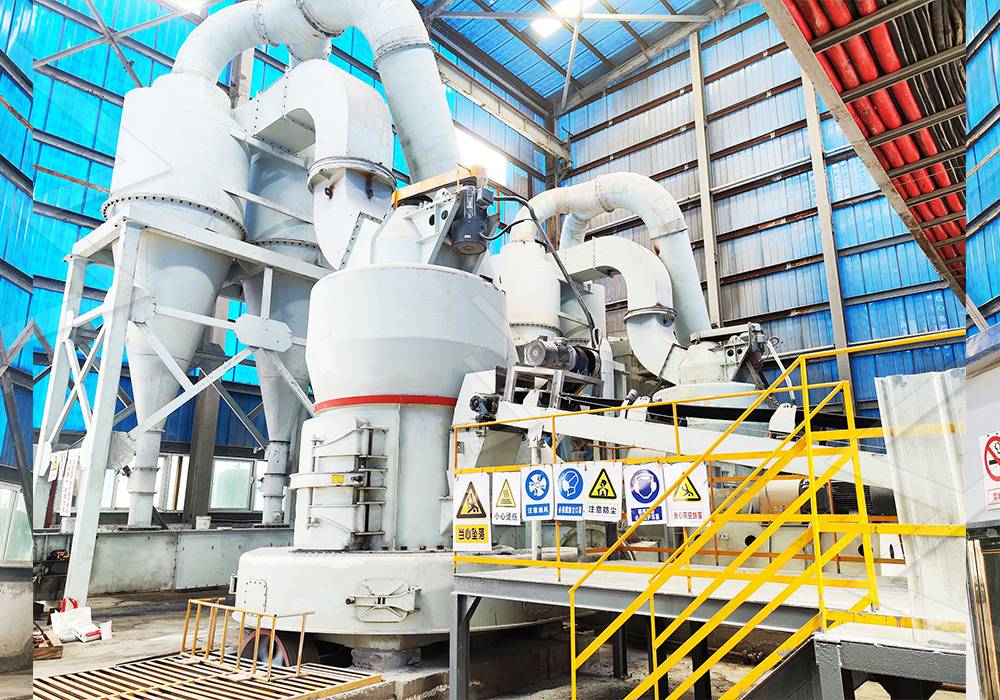
Phosphate rock presents unique grinding challenges due to its variable hardness, abrasiveness, and moisture content. Traditional ball mills, while robust, often suffer from high energy intensity, significant wear, and limited control over final particle size. Inefficient grinding leads to over-processing, increased reagent consumption in downstream beneficiation, and higher overall operating expenses. The industry’s shift towards finer grind sizes to improve phosphate recovery and reaction kinetics further exacerbates these challenges, demanding more sophisticated milling solutions.
Key Strategies for Enhanced Grinding Efficiency
Modern grinding philosophy emphasizes a systems approach, integrating advanced mill design, precise classification, and intelligent process control. The primary strategies include:
- Energy-Efficient Milling Technology: Moving from high-impact, high-attrition systems to more controlled, bed-compression grinding reduces specific energy consumption by 30-50%.
- Advanced Classification: High-precision, multi-head powder selectors enable tighter control over particle size distribution (PSD), minimizing recirculation loads and preventing over-grinding.
- Integrated Drying: For moist feedstocks, mills with integrated drying capabilities eliminate the need for separate drying steps, reducing thermal energy requirements and plant footprint.
- Predictive Maintenance & Robust Design: Equipment designed without critical components in the grinding chamber and featuring external lubrication systems drastically reduces unplanned downtime and maintenance costs.
Technology in Focus: The MW Ultrafine Grinding Mill
For operations targeting ultra-fine phosphate powders (325-2500 meshes), the MW Ultrafine Grinding Mill represents a significant technological leap. Engineered for customers requiring precise ultra-fine powder, this mill integrates several critical features that directly address the pain points of phosphate processing.
Its newly designed grinding curves for the roller and ring enhance efficiency, yielding production capacities up to 40% higher than jet or stirred mills at the same power and fineness. A German-technology, cage-type powder selector allows operators to precisely adjust fineness between 325 and 2500 meshes, achieving a precise d97≤5μm cut point. Crucially, the absence of rolling bearings and screws within the grinding chamber eliminates common failure points and associated contamination risks, a vital consideration for product purity.
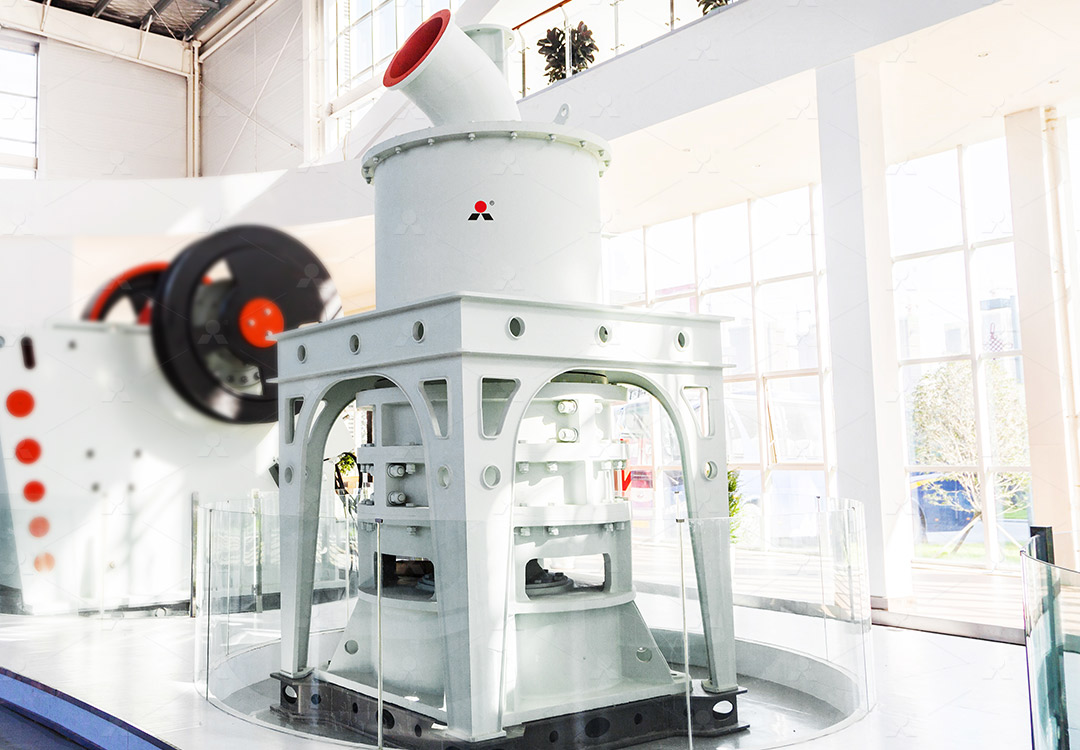
Furthermore, its eco-friendly design, featuring an efficient pulse dust collector and muffler, ensures the entire milling system operates within stringent environmental standards, containing dust and mitigating noise pollution. With an input size of 0-20 mm and a capacity range of 0.5-25 tph, the MW Series offers a scalable solution for high-value phosphate powder production.
Maximizing Value Through Operational Excellence
Selecting the right technology is only the first step. Maximizing resource utilization involves optimizing the entire grinding circuit. This includes meticulous feed preparation to ensure consistent mill feed size, real-time monitoring of power consumption and PSD, and implementing expert control systems to adjust operational parameters dynamically. Such practices ensure the mill operates at its peak efficiency, extracting the maximum value from every ton of phosphate rock processed.
Frequently Asked Questions (FAQ)
What is the primary advantage of using an ultrafine grinding mill for phosphate rock?
The primary advantage is the ability to produce a consistently fine and tightly controlled particle size distribution, which enhances phosphate recovery in subsequent beneficiation or chemical processing steps. This leads to higher product quality and more efficient use of the resource.
How does the MW Ultrafine Grinding Mill achieve lower energy consumption?
The MW Mill utilizes optimized grinding curves and a high-efficiency powder selector to maximize grinding efficiency and minimize recirculation. Its design focuses on effective energy transfer to the material bed rather than through wasteful impact and attrition, reducing system energy consumption by up to 30% compared to alternative technologies.
Can these mills handle variations in phosphate rock hardness and moisture?
Yes, modern mills like the MW Series are designed with robust construction and often feature adjustable grinding force and classifier speed. For wet or sticky material, systems with integrated drying capabilities, such as our LUM Ultrafine Vertical Grinding Mill, are recommended to ensure stable operation and product quality.
What are the key maintenance considerations for these grinding systems?
Key considerations involve the wear parts (rollers and rings) and the classifier system. Choosing mills with easily accessible and replaceable wear parts, external lubrication systems (like the MW Mill), and designs that prevent metal-to-metal contact significantly reduces maintenance frequency and cost, ensuring worry-free operation.