
Key Points for Choosing the Right Feldspar Powder Production Equipment
We provide a wide range of mills — including Raymond mill, trapezoidal mill, vertical mill, ultrafine mill, and ball mill, obtained ISO9001 international quality certification, EU CE certification, and Customs Union CU-TR certification. Suitable for processing minerals such as limestone, phosphate, quicklime, kaolin, talc, barite, bentonite, calcium carbonate, dolomite, coal, gypsum, clay, carbon black, slag, cement raw materials, cement clinker, and more.
The discharge range of these mills can be adjusted to meet specific processing needs, typically from 80-400 mesh, 600-3250 mesh, and can achieve the finest particle size of up to 6000 mesh(D50).
If you are looking for a reliable grinding solution to turn stone or minerals into fine powder, please feel free to contact our online customer service.
Key Points for Choosing the Right Feldspar Powder Production Equipment
Selecting the optimal grinding equipment for feldspar processing is a critical decision that directly impacts product quality, operational efficiency, and overall profitability. Feldspar, a key raw material in ceramics, glass, and fillers, demands precise particle size distribution and high purity. The choice of mill depends on several interrelated factors, each requiring careful consideration.
1. Understanding Your Production Requirements
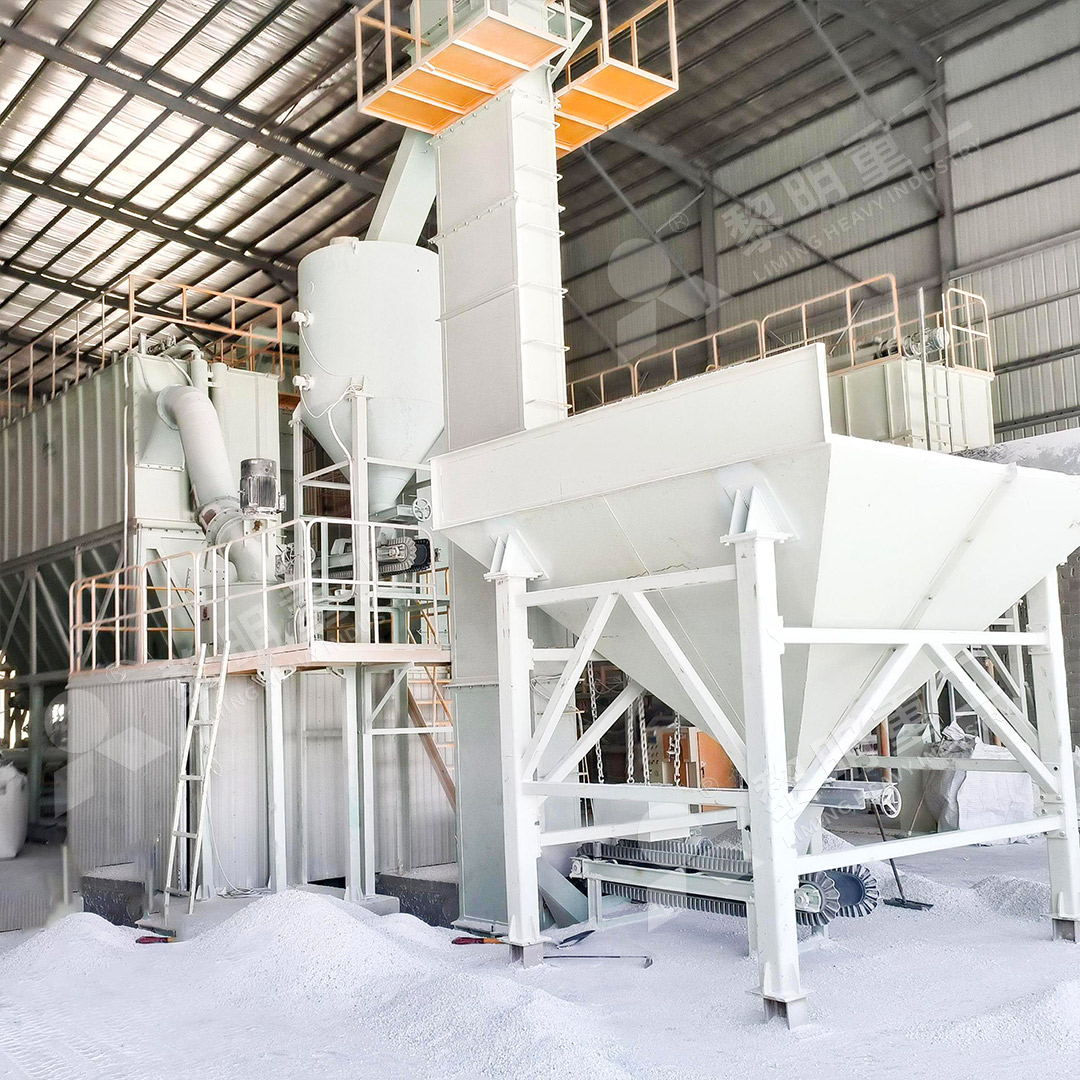
The foundation of equipment selection lies in a clear understanding of your operational needs. Begin by defining your target capacity (in tons per hour), desired final product fineness (often measured in meshes or microns), and the initial feed size of your raw feldspar. A mismatch between the equipment’s capability and your production targets can lead to bottlenecks or inefficient energy use. For operations requiring ultra-fine powder (325-2500 meshes) with capacities ranging from 0.5 to 25 tph, an ultrafine grinding mill is often the most suitable solution.
2. Evaluating Grinding Efficiency and Energy Consumption
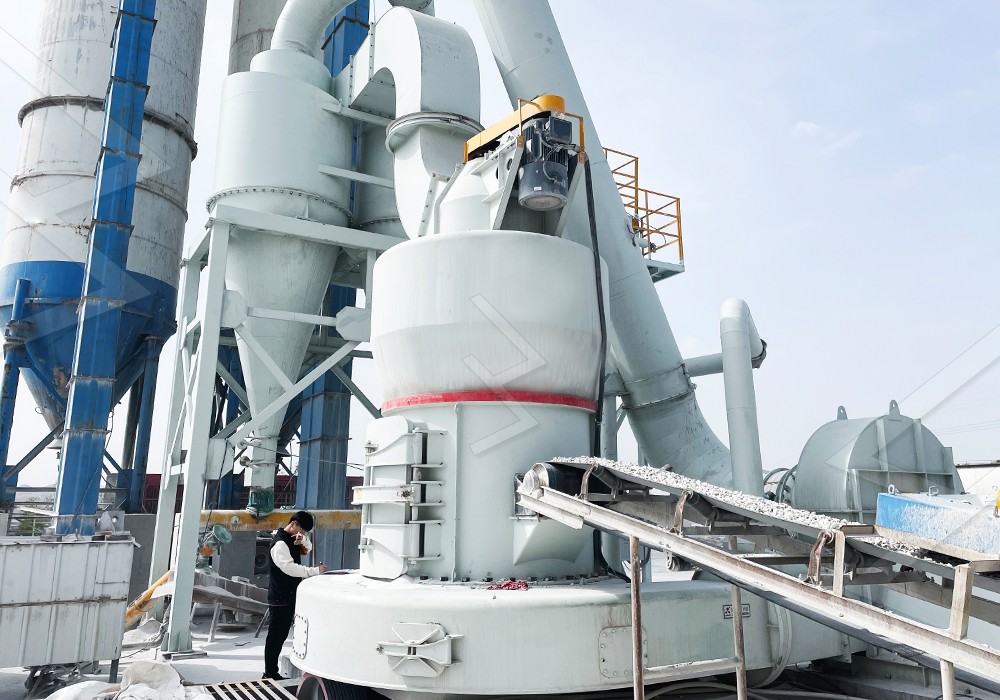
Operational costs are heavily influenced by energy consumption. Modern mills are designed for higher efficiency, directly reducing kWh per ton of output. Look for technologies that offer innovative grinding curves and advanced powder selection systems. For instance, the MW Ultrafine Grinding Mill is engineered for higher yielding and lower energy consumption. Its newly designed grinding curves of the roller and ring enhance efficiency, achieving a production capacity 40% higher than jet mills and twice that of ball mills, while using only 30% of the energy of a jet mill. This makes it an exceptional choice for cost-conscious operations focused on ultra-fine feldspar powder.
3. Assessing Maintenance Needs and Operational Stability
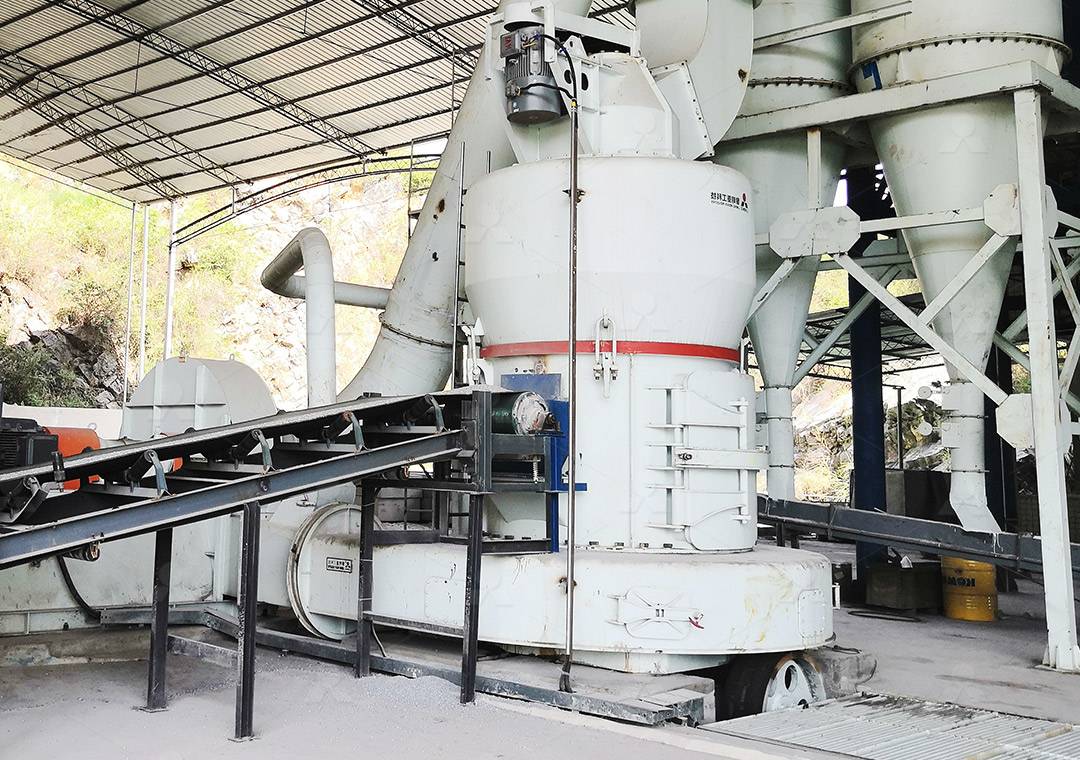
Downtime is the enemy of productivity. Equipment design significantly affects maintenance frequency and complexity. A machine designed with reliability in mind minimizes unexpected stops. Key features to look for include simplified lubrication systems, easy access to wear parts, and robust construction that avoids common failure points. The MW Ultrafine Grinding Mill addresses this with a design that has no rolling bearings or screws in the grinding chamber, eliminating concerns about bearing damage or loose screws causing failures. Its external lubricating device allows for maintenance without shutdown, supporting continuous 24/7 production—a vital feature for high-volume feldspar processing plants.
4. Prioritizing Environmental Compliance and Cleanliness
Modern manufacturing must adhere to strict environmental standards. Dust and noise pollution are significant concerns in milling operations. Equipment equipped with integrated, high-efficiency dust collection and noise reduction systems is no longer a luxury but a necessity. This ensures a cleaner, safer workplace and minimizes the environmental footprint. The MW Ultrafine Grinding Mill, for example, comes with an efficient pulse dust collector and muffler, ensuring the entire milling system operates without dust pollution and at reduced noise levels, fully complying with national environmental protection standards.
5. Considering Flexibility and Final Product Control
The ability to adjust the fineness of the final product to meet specific customer requirements is a competitive advantage. Advanced powder selectors allow for precise control over the particle size distribution. A mill like the MW series offers adjustable fineness between 325-2500 meshes thanks to its German-technology, cage-type powder selector. This flexibility allows producers to cater to various market segments, from ceramics to high-end fillers, from a single machine.
Conclusion
Choosing the right feldspar powder production equipment is a strategic decision. By meticulously evaluating your capacity needs, prioritizing energy efficiency and low maintenance, ensuring environmental compliance, and demanding product flexibility, you can select a mill that becomes a cornerstone of your operation’s success. Investing in advanced technology, such as the MW Ultrafine Grinding Mill, provides a future-proof solution that delivers on performance, reliability, and quality for the demanding feldspar processing industry.
Frequently Asked Questions (FAQ)
Q1: What is the most important factor when choosing a feldspar mill?
A: There is no single most important factor; it’s a balance. However, aligning the mill’s capacity and fineness capability with your specific production goals is the primary starting point. Energy efficiency and maintenance needs are then critical for long-term operational cost control.
Q2: Why is an ultrafine mill often recommended for feldspar over a traditional ball mill?
A: Ultrafine mills like the MW series offer significantly higher energy efficiency, finer and more adjustable product fineness, and a more compact design with integrated dust collection. Ball mills, while robust, are generally less efficient for achieving very fine grinds and have higher energy consumption per ton.
Q3: How does the design of the MW Ultrafine Grinding Mill contribute to less maintenance?
A: Its key design innovation is the absence of rolling bearings and screws inside the grinding chamber. This removes common points of failure. Furthermore, lubrication can be performed externally without stopping the machine, drastically reducing downtime for routine maintenance.
Q4: Can the same mill produce different grades of feldspar powder?
A: Yes, modern mills with advanced classifiers, like the cage-type powder selector in the MW mill, allow operators to easily adjust the fineness of the output, often between 325 and 2500 meshes, to produce different product grades for various applications.