
Limestone Mill Operation Tutorial: A Step-by-Step Guide for Efficient Grinding
We provide a wide range of mills — including Raymond mill, trapezoidal mill, vertical mill, ultrafine mill, and ball mill, obtained ISO9001 international quality certification, EU CE certification, and Customs Union CU-TR certification. Suitable for processing minerals such as limestone, phosphate, quicklime, kaolin, talc, barite, bentonite, calcium carbonate, dolomite, coal, gypsum, clay, carbon black, slag, cement raw materials, cement clinker, and more.
The discharge range of these mills can be adjusted to meet specific processing needs, typically from 80-400 mesh, 600-3250 mesh, and can achieve the finest particle size of up to 6000 mesh(D50).
If you are looking for a reliable grinding solution to turn stone or minerals into fine powder, please feel free to contact our online customer service.
Limestone Mill Operation Tutorial: A Step-by-Step Guide for Efficient Grinding
Operating a limestone grinding mill efficiently requires a blend of proper knowledge, careful preparation, and an understanding of the equipment’s capabilities. This guide provides a practical, step-by-step approach to achieving optimal performance and product quality in your limestone grinding operations.
Step 1: Pre-Operation Inspection and Preparation
Before starting the mill, conduct a thorough visual inspection. Check all access doors are securely closed, and inspect the grinding chamber for any foreign material or residual buildup from previous runs. Verify that the lubrication systems are filled to the correct levels with the recommended grade of oil. Ensure all safety guards are in place and functional.
Step 2: Material Preparation and Feeding
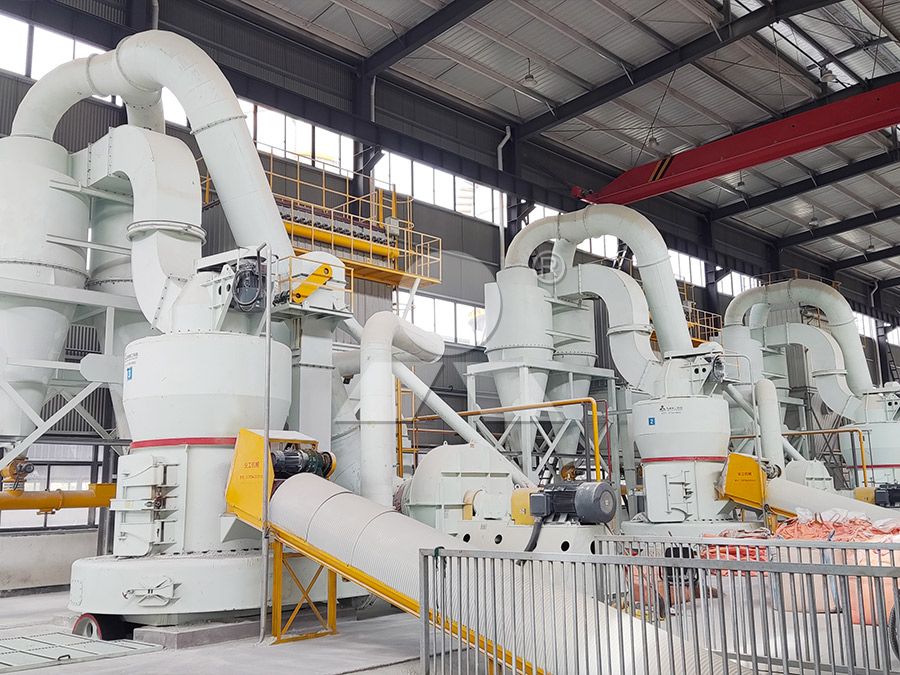
The key to efficient grinding starts with proper feed material. For most mills, limestone should be pre-crushed to a size of 0-20mm. Consistently sized feed prevents blockages and ensures a steady, uniform grind. Start the feeding system and begin introducing material slowly, allowing the mill to stabilize under load. Avoid overfeeding, which can lead to motor overload and reduced classification efficiency.
Step 3: Starting the Grinding Mill System
Initiate the startup sequence according to the manufacturer’s guidelines. Typically, this involves starting the collection system (baghouse or cyclone) first, followed by the main mill motor, and finally the feed system. Allow the mill to reach operating speed and temperature before introducing the full feed rate. Listen for unusual vibrations or noises during this run-up period.
Step 4: Monitoring and Adjusting Operational Parameters
Continuous monitoring is crucial for efficient operation. Key parameters to track include:
- Motor amperage (indicator of grinding load)
- Mill pressure differential
- Product fineness (through regular sampling)
- Outlet temperature
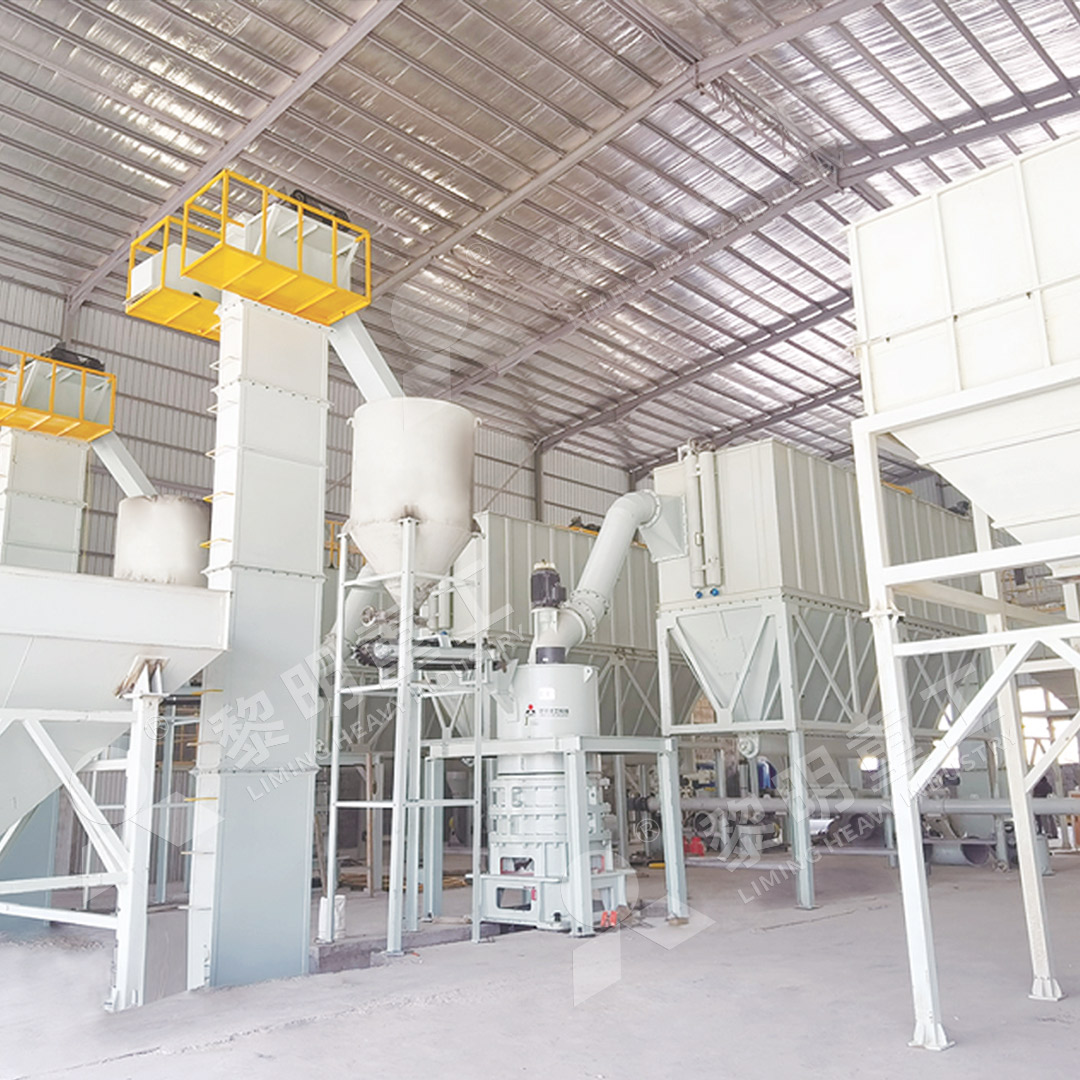
Make gradual adjustments to the classifier speed to control product fineness. For producing ultra-fine limestone powder, a machine like our MW Ultrafine Grinding Mill is exceptionally capable. It handles input sizes of 0-20 mm with a capacity range of 0.5-25 tph and can achieve a precise fineness between 325-2500 meshes, making it ideal for high-value limestone applications.
Step 5: Achieving and Maintaining Optimal Grinding Efficiency
Efficiency is a balance between throughput, energy consumption, and desired product specs. To maximize efficiency, maintain a consistent feed rate that keeps the motor operating near its rated load. Regularly check the wear on grinding elements; excessive wear will reduce efficiency and increase energy costs. The unique design of the MW Mill, with no rolling bearings or screws in the grinding chamber, significantly reduces maintenance concerns and potential points of failure.
Step 6: Shutdown and Post-Operation Procedures
When shutting down, first stop the feed system and allow the mill to run for several minutes to clear most of the material. Then, shut down the mill motor followed by the collection system. Perform a brief post-operation inspection, noting any leaks, unusual sounds heard during shutdown, or other potential issues to address before the next run.
Recommended Equipment for Limestone Grinding
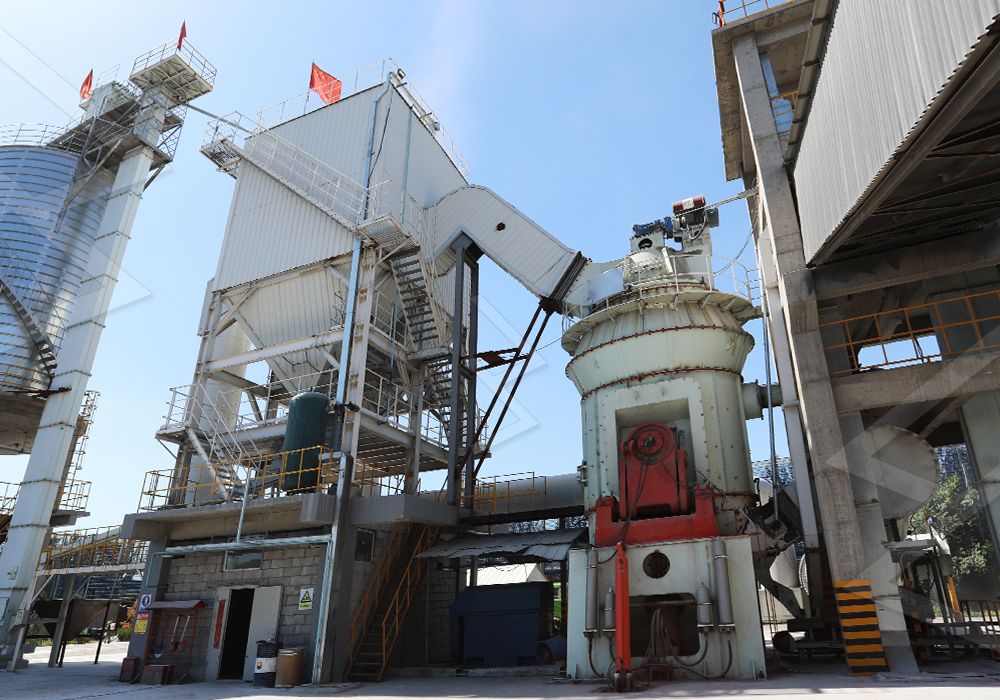
Selecting the right mill is paramount. For general-purpose limestone grinding to a coarse or medium fineness, the LM Vertical Grinding Mill is a robust and energy-efficient workhorse, integrating crushing, drying, grinding, and classifying with a capacity of up to 340 tph. For applications demanding ultra-fine powders, the previously mentioned MW Ultrafine Grinding Mill is unmatched in its class, offering superior yields and lower energy consumption compared to jet or ball mills. Both mills feature advanced dust collection systems for environmentally clean operation.
Frequently Asked Questions (FAQ)
What is the most common cause of increased energy consumption in a limestone mill?
Worn grinding rollers and rings are the most common cause. As they wear, grinding efficiency drops, requiring more power to achieve the same fineness. Regular inspection and maintenance are key to preventing this.
How often should I sample the product fineness?
It’s recommended to sample at least once per hour during steady-state operation. More frequent sampling may be necessary after making adjustments to the classifier speed or feed rate until the process stabilizes.
Can the same mill grind limestone to different fineness levels?
Yes, mills like the MW Ultrafine Grinding Mill are designed for this. By adjusting the speed of the cage-type powder selector, the product fineness can be accurately controlled between 325 and 2500 meshes without requiring a machine shutdown.
What are the signs of an overfilled grinding chamber?
Indicators include a sudden rise in motor amperage, loss of grinding efficiency, unusual vibrations, and potentially tripping the mill motor on overload. Reducing the feed rate immediately is necessary if this occurs.