
Vertical Grinding Mill in Cement Plant: Cost, Types, and Benefits
We provide a wide range of mills — including Raymond mill, trapezoidal mill, vertical mill, ultrafine mill, and ball mill, obtained ISO9001 international quality certification, EU CE certification, and Customs Union CU-TR certification. Suitable for processing minerals such as limestone, phosphate, quicklime, kaolin, talc, barite, bentonite, calcium carbonate, dolomite, coal, gypsum, clay, carbon black, slag, cement raw materials, cement clinker, and more.
The discharge range of these mills can be adjusted to meet specific processing needs, typically from 80-400 mesh, 600-3250 mesh, and can achieve the finest particle size of up to 6000 mesh(D50).
If you are looking for a reliable grinding solution to turn stone or minerals into fine powder, please feel free to contact our online customer service.
Vertical Grinding Mill in Cement Plant: Cost, Types, and Benefits
In the modern cement manufacturing landscape, efficiency, cost-effectiveness, and environmental compliance are paramount. Vertical grinding mills have emerged as a cornerstone technology, offering significant advantages over traditional ball mills. This article delves into the core aspects of vertical roller mills (VRMs), exploring their benefits, various types suitable for cement production, and overall cost implications.
Why Choose a Vertical Grinding Mill?
The adoption of vertical roller mills in cement plants is driven by their superior design and operational efficiency. Unlike horizontal ball mills, VRMs integrate crushing, grinding, drying, classification, and material conveyance into a single, compact unit. This integrated approach translates into a substantially smaller physical footprint, often reducing the required space by up to 50%. The most compelling advantage is energy savings; VRMs typically consume 30% to 50% less power than equivalent ball mill systems, a critical factor given that grinding can account for over 40% of a plant’s total electrical energy use.
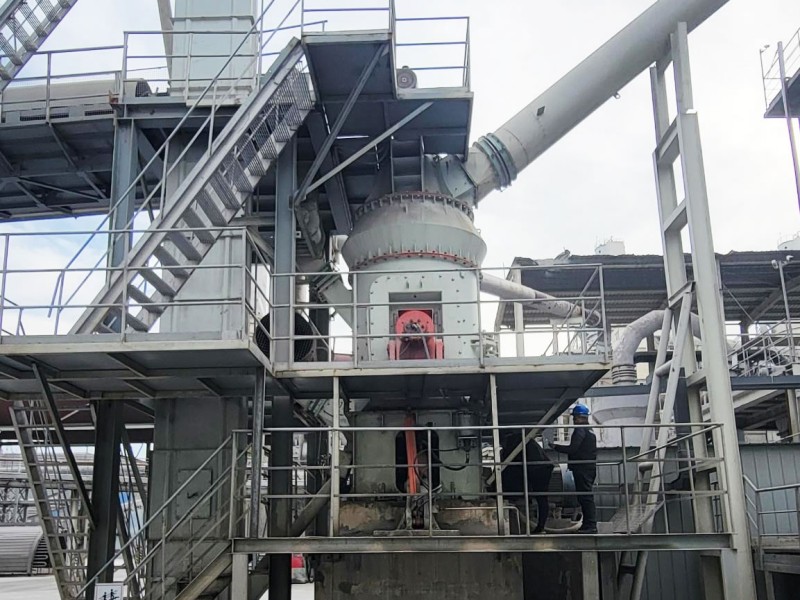
Furthermore, the grinding process in a VRM is gentler and more controlled. Material residence time is short, minimizing over-grinding and reducing the iron content introduced into the product from mechanical wear. This is crucial for producing high-quality cement with consistent properties. Modern VRMs are also designed with robust environmental controls. They operate under negative pressure with highly efficient pulse jet baghouse dust collectors and integrated silencers, ensuring minimal dust emissions and noise pollution, aligning with stringent environmental standards.
Key Types of Vertical Mills for Cement Production
While all VRMs share core principles, specific designs are optimized for different materials and product fineness requirements. The two primary categories are vertical roller mills for raw meal and cement grinding, and specialized mills for slag and coal.
For producing ultra-fine powders or when dealing with a diverse range of materials, the MW Ultrafine Grinding Mill is an exceptional choice. Engineered for customers requiring ultra-fine powder between 325-2500 meshes, this mill boasts a capacity of 0.5-25 TPH. Its innovative design eliminates rolling bearings and screws in the grinding chamber, drastically reducing maintenance concerns and the risk of machine damage from loose parts. Equipped with an efficient pulse dust collector and muffler, it operates with remarkably low dust and noise, making it an environmentally sound investment for advanced applications.
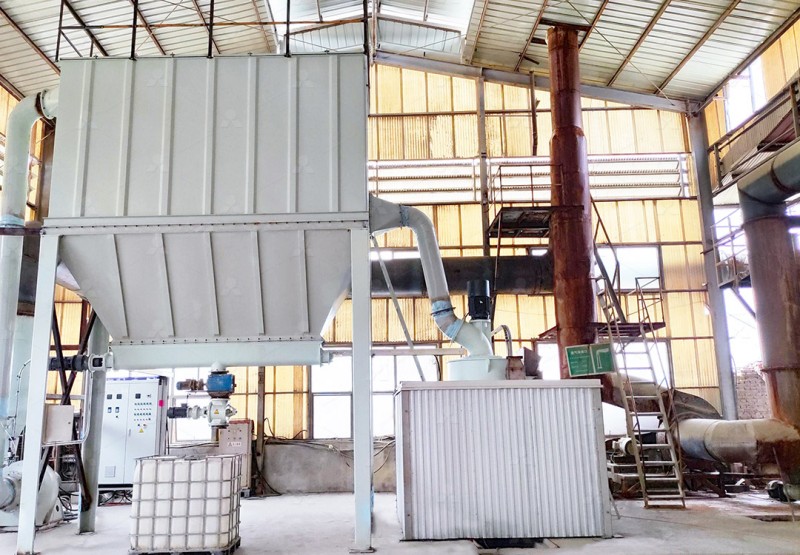
Another standout performer is the LUM Ultrafine Vertical Grinding Mill. This mill incorporates the latest grinding roller and German powder separating technology. A key feature is its reversible structure, which allows grinding rollers to be easily moved out of the mill body for maintenance, significantly reducing downtime. With a capacity of 5-18 TPH, it is designed for high-yield, high-quality production with multi-head powder separating technology that ensures precise particle size control and energy consumption that is 30%-50% lower than conventional mills.
Understanding the Cost Structure
The initial investment in a VRM can be higher than a traditional ball mill. However, a thorough Total Cost of Ownership (TCO) analysis almost always favors the VRM. The significant reduction in energy consumption leads to substantial operational cost savings, often allowing the mill to pay for itself within a few years. Lower maintenance costs contribute further; features like external lubrication systems and durable wear parts made from high-performance alloys extend service intervals and reduce the need for spare parts.
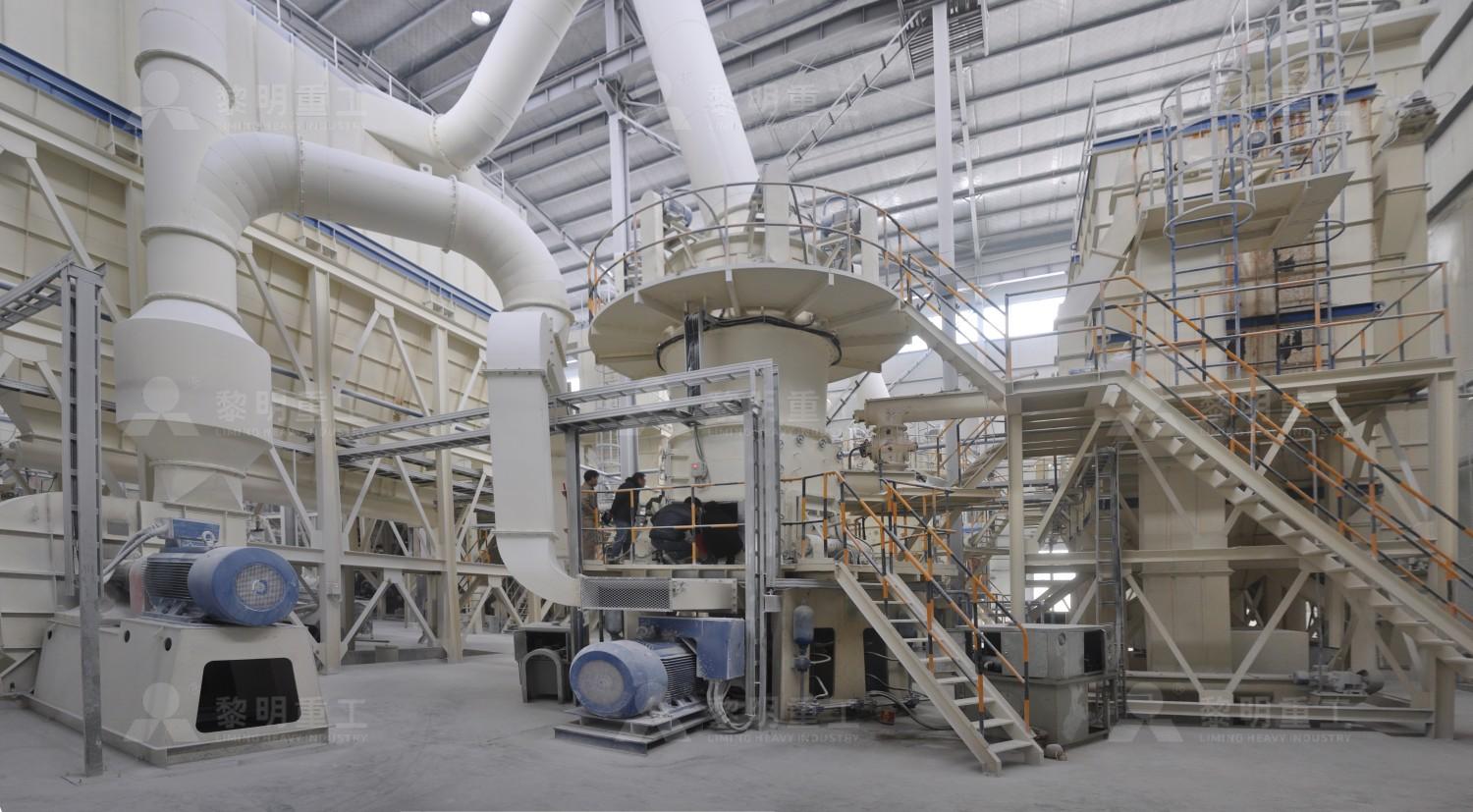
Finally, their automation readiness allows VRMs to be integrated into modern plant control systems, optimizing performance and reducing labor costs. When evaluating cost, it is essential to look beyond the purchase price and consider these long-term operational savings and productivity gains.
Frequently Asked Questions (FAQ)
What is the main advantage of a vertical roller mill over a ball mill?
The primary advantages are significantly lower energy consumption (30-50% less), a much smaller footprint, and integrated drying and grinding capabilities, which lead to lower operating costs.
Are vertical grinding mills suitable for grinding slag?
Yes, specialized vertical mills like the LM Vertical Slag Mill are specifically designed for grinding industrial wastes like granulated blast furnace slag, offering high efficiency and reduced energy consumption compared to traditional methods.
How is product fineness controlled in a VRM?
Fineness is precisely controlled by adjusting the speed of the integrated dynamic classifier (or separator). This allows for quick and accurate changes to the product’s particle size distribution without stopping the mill.
What is the typical maintenance requirement for a vertical mill?
Maintenance primarily involves inspecting and replacing wear parts like grinding rollers and table liners. Modern designs, such as those with reversible rollers and external lubrication systems, are built to make these operations faster and easier, minimizing downtime.