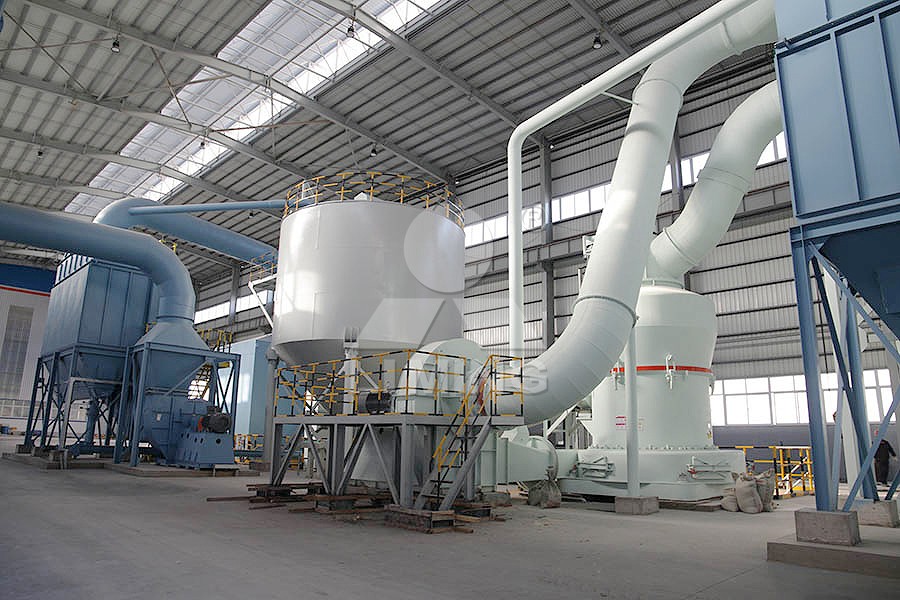
How to Choose an Electric Mill Grinder for Wheat: A Complete Guide
We provide a wide range of mills — including Raymond mill, trapezoidal mill, vertical mill, ultrafine mill, and ball mill, obtained ISO9001 international quality certification, EU CE certification, and Customs Union CU-TR certification. Suitable for processing minerals such as limestone, phosphate, quicklime, kaolin, talc, barite, bentonite, calcium carbonate, dolomite, coal, gypsum, clay, carbon black, slag, cement raw materials, cement clinker, and more.
The discharge range of these mills can be adjusted to meet specific processing needs, typically from 80-400 mesh, 600-3250 mesh, and can achieve the finest particle size of up to 6000 mesh(D50).
If you are looking for a reliable grinding solution to turn stone or minerals into fine powder, please feel free to contact our online customer service.
How to Choose an Electric Mill Grinder for Wheat: A Complete Guide
Selecting the right electric mill grinder for wheat is a critical decision for any operation, from small artisanal bakeries to large-scale food production facilities. The right equipment impacts not only the quality of your flour but also your operational efficiency, energy costs, and bottom line. This guide will walk you through the key factors to consider to ensure you make an informed investment.
Key Factors to Consider
1. Capacity and Throughput: Your production volume is the primary dictator of the mill size you need. Assess your current and projected daily or hourly flour needs. A mill that’s too small will become a bottleneck, while an oversized one wastes capital and energy.
2. Desired Fineness (Mesh Size): Different applications require different flour textures. Standard bread flour might be sufficient at 60-80 mesh, while pastries and specialty products often demand a much finer powder, up to 2500 mesh. The ability to precisely adjust fineness is crucial for product consistency.
3. Energy Efficiency: Grinding is an energy-intensive process. Modern mills are designed to deliver higher yields with significantly lower power consumption compared to older technologies like ball mills. Investing in an energy-efficient model can lead to substantial long-term savings on your electricity bills.
4. Hygiene and Purity: For food-grade applications like wheat milling, contamination is a major concern. Look for mills designed with a ‘No Rolling Bearing & Screw in Grinding Chamber’ principle. This eliminates the risk of metallic wear particles from bearings or loose screws contaminating your flour, ensuring a pure, safe product.
5. Operational Environment (Noise & Dust): Mills can be noisy and dusty. If your operation is in a populated area or has strict workplace safety standards, prioritize models equipped with integrated mufflers and highly efficient pulse dust collectors. This makes the operation more eco-friendly and pleasant for workers.
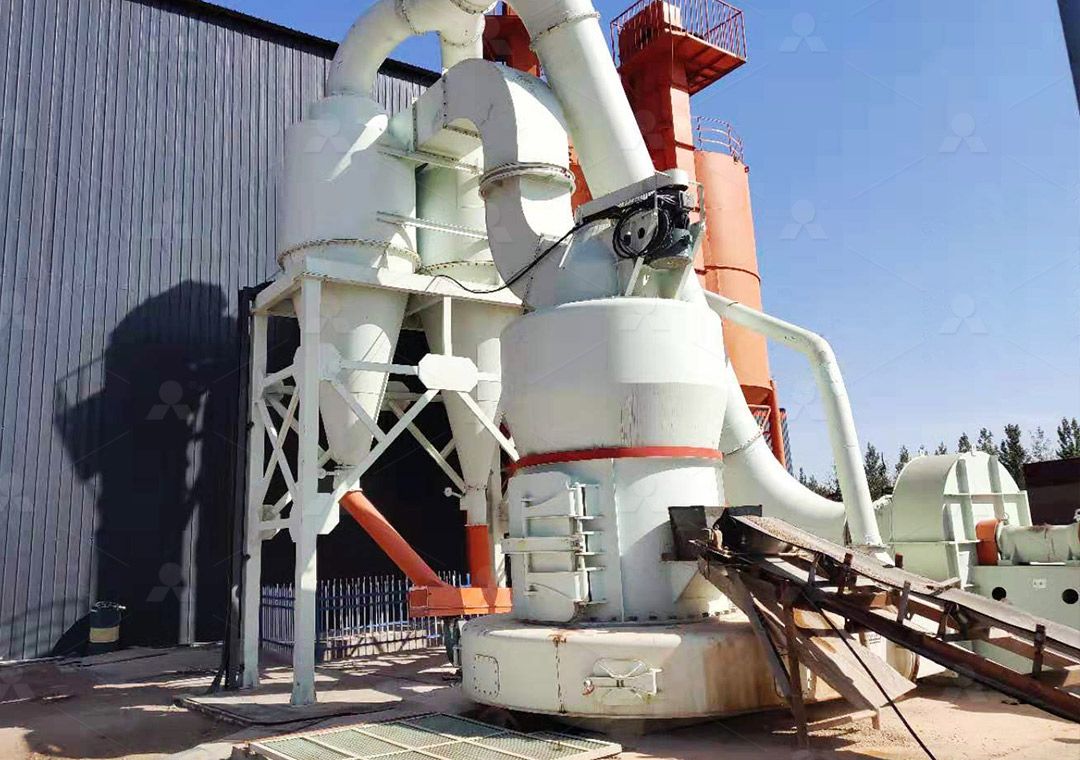
Recommended Product for Wheat Milling: MW Ultrafine Grinding Mill
For operations focused on producing high-quality, ultra-fine wheat flour with an emphasis on purity and efficiency, the MW Ultrafine Grinding Mill is an exceptional choice. It is specifically engineered to address the core needs of modern food processing.
With an input size of 0-20 mm and a capacity range of 0.5-25 tph, it suits a wide spectrum of operations. Its standout feature for food production is the absence of rolling bearings and screws in the grinding chamber, virtually eliminating the risk of metallic contamination. Furthermore, its German-technology cage-type powder selector allows for precise fineness adjustment between 325-2500 meshes, giving you perfect control over your flour’s texture. The mill is also designed for lower energy consumption and is equipped with a pulse dust collector for a cleaner, quieter operation.
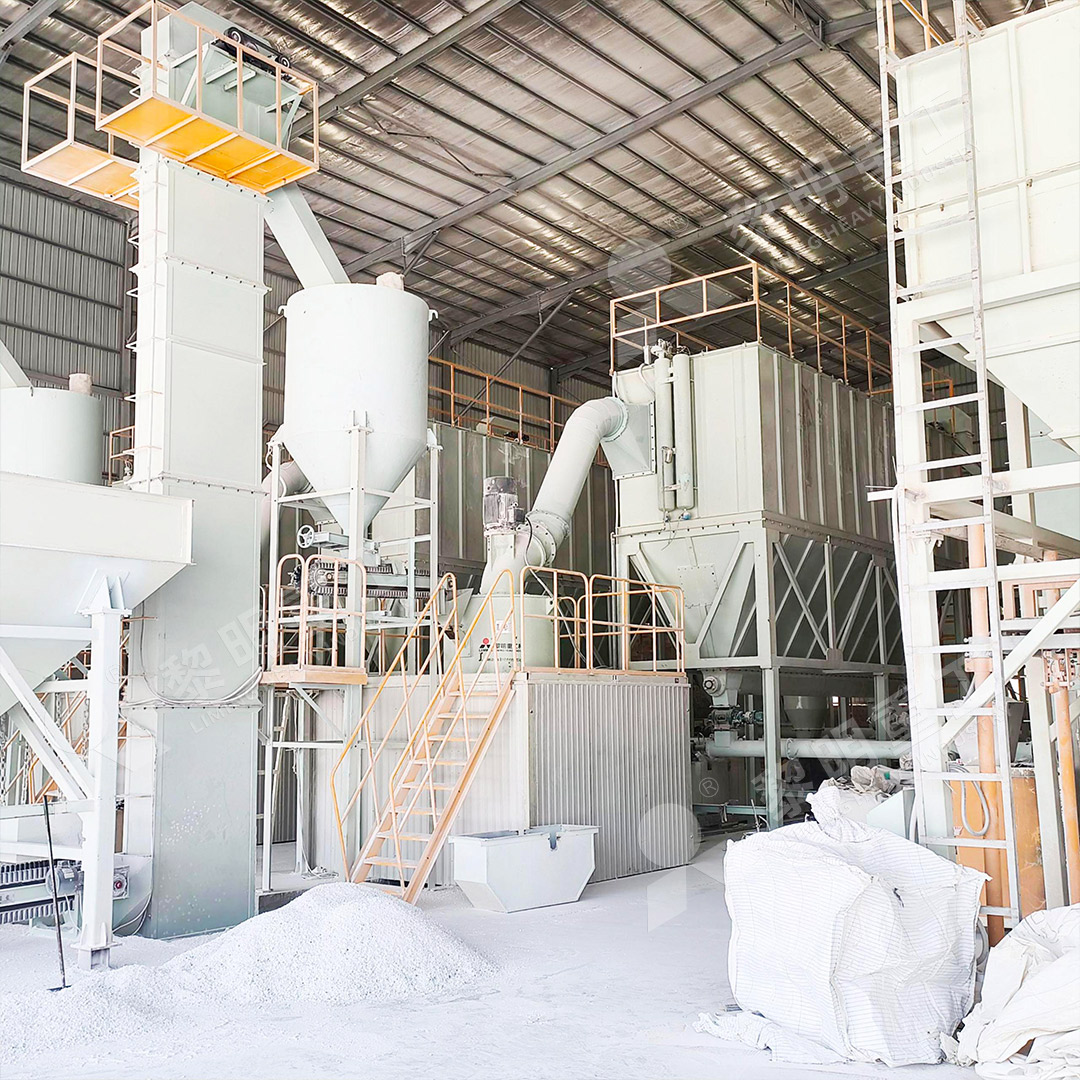
An Alternative for High-Volume Production: LUM Ultrafine Vertical Grinding Mill
For larger volume requirements, the LUM Ultrafine Vertical Grinding Mill (Input: 0-10 mm, Capacity: 5-18 tph) is another top-tier option. It integrates the latest grinding roller and powder separating technology for higher yielding rates and better quality finished products. Its reversible structure significantly simplifies maintenance, reducing downtime—a critical factor for continuous production environments.
Frequently Asked Questions (FAQ)
What is the most important feature for milling food-grade wheat?
Purity assurance. A mill designed to prevent material contact with lubricated bearings or fasteners inside the grinding chamber is paramount to avoid product contamination.
How fine can I grind wheat flour?
With advanced mills like the MW Series, you can achieve a super-fine powder up to 2500 mesh (5μm), which is ideal for specialty baked goods and food additives.
Are these mills difficult to maintain?
No. Models like the LUM feature reversible structures and external lubrication points, allowing for easy access to wear parts and lubrication without stopping production, making maintenance straightforward and minimizing operational disruption.
Can the mill handle other materials besides wheat?
Absolutely. While perfect for wheat, these mills are highly versatile and can process a wide range of non-metallic minerals and food products, including limestone, calcite, and spices.