
How to Prevent Ball Mill Damage from Stones in Power Plants
We provide a wide range of mills — including Raymond mill, trapezoidal mill, vertical mill, ultrafine mill, and ball mill, obtained ISO9001 international quality certification, EU CE certification, and Customs Union CU-TR certification. Suitable for processing minerals such as limestone, phosphate, quicklime, kaolin, talc, barite, bentonite, calcium carbonate, dolomite, coal, gypsum, clay, carbon black, slag, cement raw materials, cement clinker, and more.
The discharge range of these mills can be adjusted to meet specific processing needs, typically from 80-400 mesh, 600-3250 mesh, and can achieve the finest particle size of up to 6000 mesh(D50).
If you are looking for a reliable grinding solution to turn stone or minerals into fine powder, please feel free to contact our online customer service.
How to Prevent Ball Mill Damage from Stones in Power Plants
Ball mills are indispensable workhorses in power plant operations, primarily used for pulverizing coal to facilitate efficient combustion. However, the presence of non-grindable materials like stones, tramp metal, or other foreign objects poses a significant threat to the mill’s integrity and operational efficiency. These contaminants can cause catastrophic damage to liners, grinding media (balls), and even the mill’s structural components, leading to unplanned downtime, costly repairs, and reduced productivity.
The Primary Risks: Abrasion, Impact, and Vibration
The core of the problem lies in the fundamental working principle of a ball mill. Material is ground through the impact and attrition of tumbling steel balls. Stones, which are often harder than the coal and the mill liners, do not break down easily. Instead, they act as an abrasive medium, accelerating the wear of liners and grinding balls. More severely, large stones can cause impact damage, leading to cracks in liners or even the mill shell. This often manifests as increased vibration, unusual noise, and a drop in grinding efficiency. Continuous operation under such stress can result in mechanical failure of bearings, gears, or the drive system.
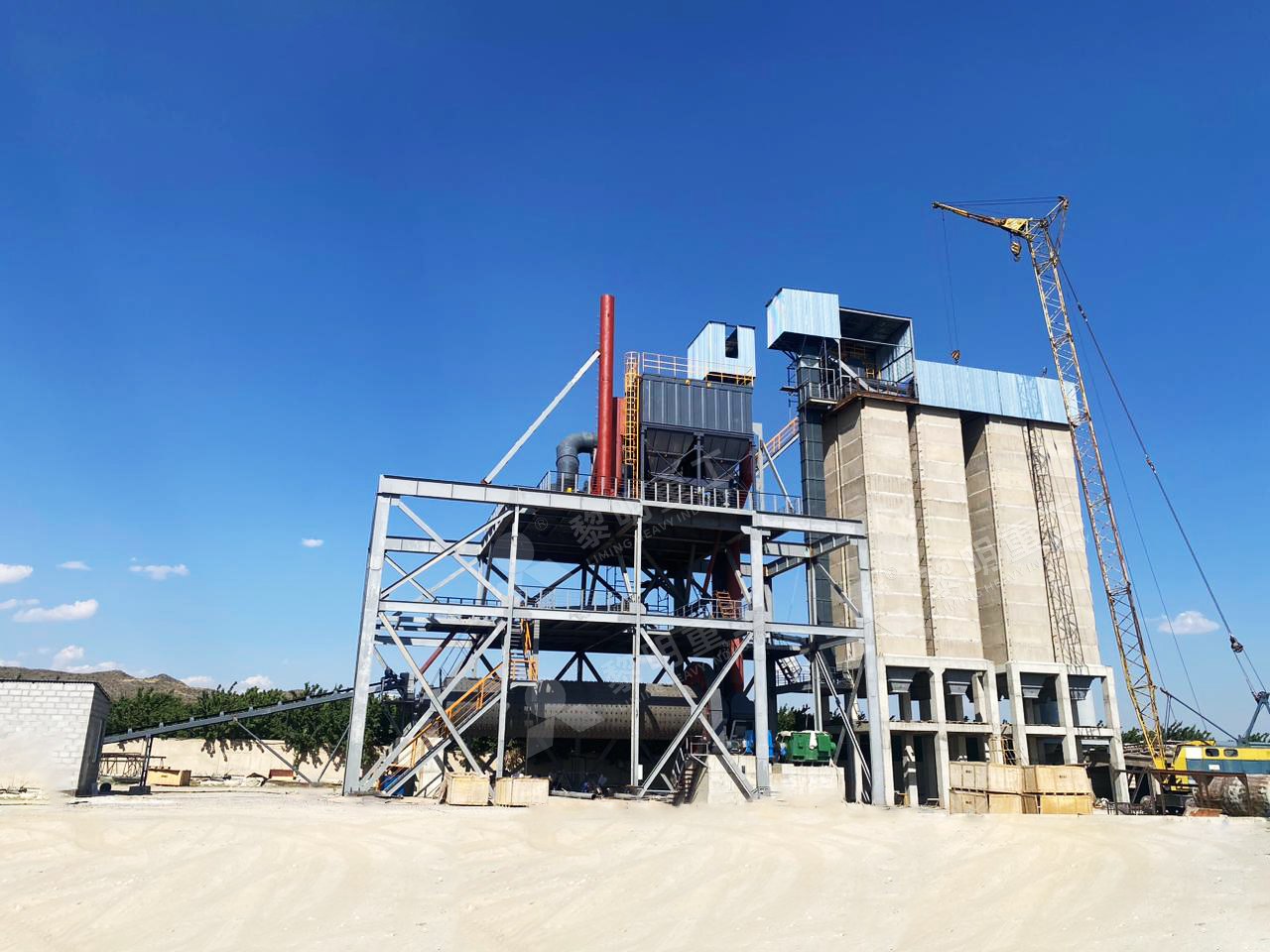
Proactive Prevention Strategies
Mitigating these risks requires a multi-faceted approach focusing on prevention, detection, and equipment selection.
1. Enhanced Feed Preparation and Screening: The first and most critical line of defense is preventing stones from entering the mill. Installing robust grizzly screens or vibrating feeders with adjustable gaps at the crusher discharge or mill feed hopper can effectively remove oversized stones and debris. Regular inspection and maintenance of these screening systems are paramount to ensure their effectiveness.
2. Magnetic Separation: Incorporating powerful suspended plate magnets or magnetic head pulleys over conveyor belts can efficiently extract tramp iron and other ferrous contaminants before they reach the mill. This is a simple yet highly effective measure to prevent some of the most damaging incidents.
3. Advanced Monitoring Systems: Implementing condition monitoring systems is crucial for early detection. Vibration analysis sensors can detect imbalances and impacts caused by foreign objects. Acoustic sensors can pick up the distinct sound of steel-on-stone contact, allowing operators to intervene before significant damage occurs. Regularly scheduled inspections of mill internals for wear and tear are also essential.
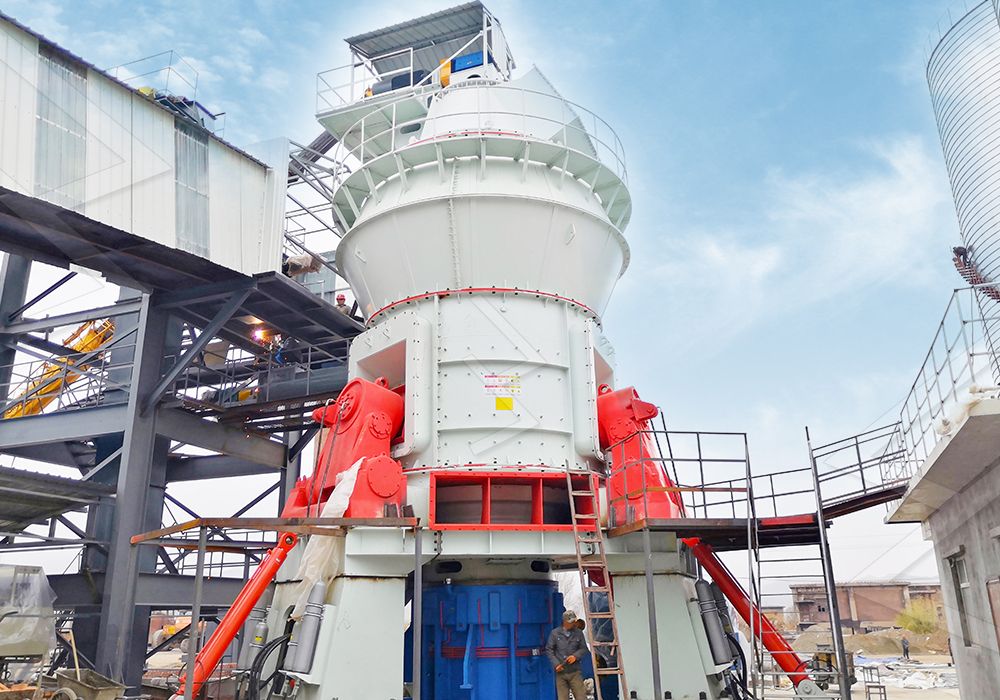
A Modern Grinding Solution: The MW Ultrafine Grinding Mill
While protective measures for ball mills are vital, considering a more resilient and efficient grinding technology can be a superior long-term strategy. For power plants looking to upgrade their pulverization process, our MW Ultrafine Grinding Mill presents a compelling alternative with inherent design advantages that mitigate the risk of damage from foreign materials.
This machine is engineered for robustness and reliability. A key feature is that there are no rolling bearings or screws inside its grinding chamber. This design eliminates common failure points found in traditional mills, as users are free from worries about damages to bearings or their sealing parts from contamination, and there is no risk of machine damage caused by loose screws. Furthermore, its lubricating device is installed externally, allowing for lubrication without shutdown, which supports continuous 24/7 operation crucial for power generation.
With an input size of 0-20 mm and a capacity range of 0.5-25 tph, the MW Mill is well-suited for power plant applications. It produces a consistently fine powder, enhancing combustion efficiency. Its higher yielding and lower energy consumption—using only 30% of the energy of a jet mill—translate to significant operational cost savings. The integrated efficient pulse dust collector also ensures the entire milling process is environmentally friendly, containing dust effectively.
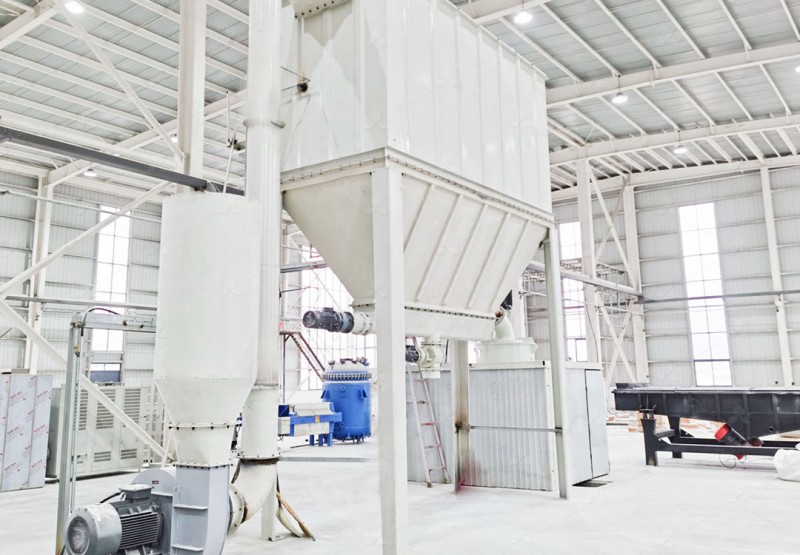
For facilities requiring exceptional fineness and stability, our LUM Ultrafine Vertical Grinding Mill is another excellent option. It incorporates double position-limiting technology that prevents destructive impacts between the grinding roller and millstone, a common result of encountering hard foreign objects. This feature guarantees much more stable operation, protecting the mill’s core components from sudden shock loads.
Conclusion
Preventing ball mill damage from stones is not merely about reaction; it’s about building a proactive system of protection. By combining rigorous feed preparation, intelligent magnetic separation, and vigilant condition monitoring, power plants can safeguard their critical grinding assets. For those pursuing a fundamental upgrade, adopting advanced grinding technologies like the MW or LUM Ultrafine Mills offers a path to not only eliminate these specific damage risks but also to achieve greater efficiency, lower energy consumption, and more environmentally compliant operation.
Frequently Asked Questions (FAQ)
Q1: What is the most common sign that my ball mill has been damaged by a stone?
A: A sudden increase in vibration and unusual metallic grinding or banging noises are the most immediate indicators. You may also observe a drop in output quality (coarser product) and a rise in power consumption.
Q2: How often should we inspect the mill’s internals for wear?
A: The frequency depends on the abrasiveness of the feedstock. A standard practice is to conduct a thorough visual inspection during scheduled maintenance shutdowns, typically every 6 to 12 months. However, monitoring vibration and performance data continuously can help determine the optimal inspection interval.
Q3: Can the MW Ultrafine Grinding Mill handle the same capacity as a large ball mill?
A: The MW Mill is available in models with capacities up to 25 tph. For very large power plant requirements, multiple units can be operated in parallel. Its key advantage lies in its higher efficiency and lower energy consumption per ton of product, often making it a more economical solution overall.
Q4: Besides stones, what other contaminants should we look out for?
A: Tramp metal (bolts, tools, excavator teeth), hard ore chunks different from the primary material, and wood or plastic debris are also common culprits that can cause significant damage to grinding mills.
Q5: Does the MW Mill require a different feeding system than our existing ball mill?
A: The MW Mill can typically be integrated into your existing feed system. However, we highly recommend retaining and properly maintaining the initial screening and magnetic separation stages to protect any grinding equipment and maximize its lifespan and efficiency.