
Top 10 Pulverizer Mill Manufacturers in Jaipur for Industrial Grinding
We provide a wide range of mills — including Raymond mill, trapezoidal mill, vertical mill, ultrafine mill, and ball mill, obtained ISO9001 international quality certification, EU CE certification, and Customs Union CU-TR certification. Suitable for processing minerals such as limestone, phosphate, quicklime, kaolin, talc, barite, bentonite, calcium carbonate, dolomite, coal, gypsum, clay, carbon black, slag, cement raw materials, cement clinker, and more.
The discharge range of these mills can be adjusted to meet specific processing needs, typically from 80-400 mesh, 600-3250 mesh, and can achieve the finest particle size of up to 6000 mesh(D50).
If you are looking for a reliable grinding solution to turn stone or minerals into fine powder, please feel free to contact our online customer service.
Navigating the Industrial Grinding Landscape in Jaipur
Jaipur, a hub for industrial manufacturing and mineral processing, is home to numerous equipment suppliers catering to the demanding needs of fine and ultrafine grinding. Selecting the right pulverizer mill manufacturer is a critical decision that impacts productivity, product quality, and operational costs. The best manufacturers distinguish themselves through engineering excellence, robust construction, and a deep understanding of material science.
When evaluating manufacturers, key considerations include the range of grinding solutions offered, from classic Raymond Mills to advanced vertical roller mills and specialized systems for coal or slag. After-sales support, availability of genuine spare parts, and local technical expertise are equally important for ensuring minimal downtime and long-term, worry-free operation.
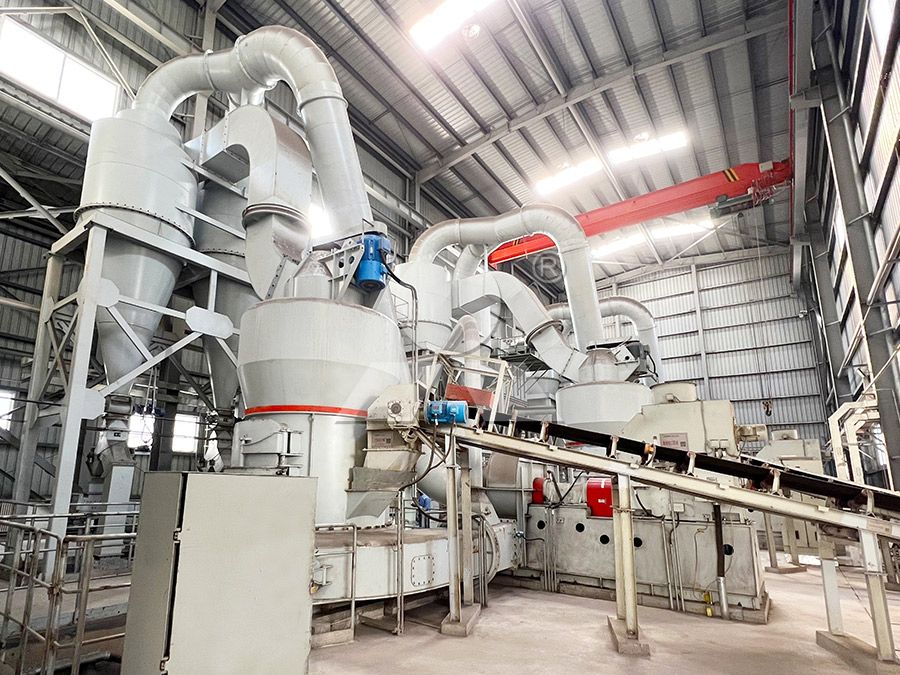
The Hallmarks of a Leading Manufacturer
Top-tier manufacturers invest heavily in research and development to incorporate the latest technological advancements. Features like PLC control systems, efficient powder classifiers, and innovative grinding roller designs are no longer luxuries but necessities for achieving precision and efficiency. Furthermore, a commitment to environmental sustainability, demonstrated through integrated pulse dust collectors and noise reduction technologies, is a clear marker of a forward-thinking supplier.
Digitalized manufacturing processes ensure high precision in core components, leading to more reliable and durable machinery. Ultimately, the leading names in Jaipur’s grinding sector are those that offer a perfect synergy of innovative technology, proven performance, and unwavering customer support.
Spotlight on Advanced Grinding Solutions
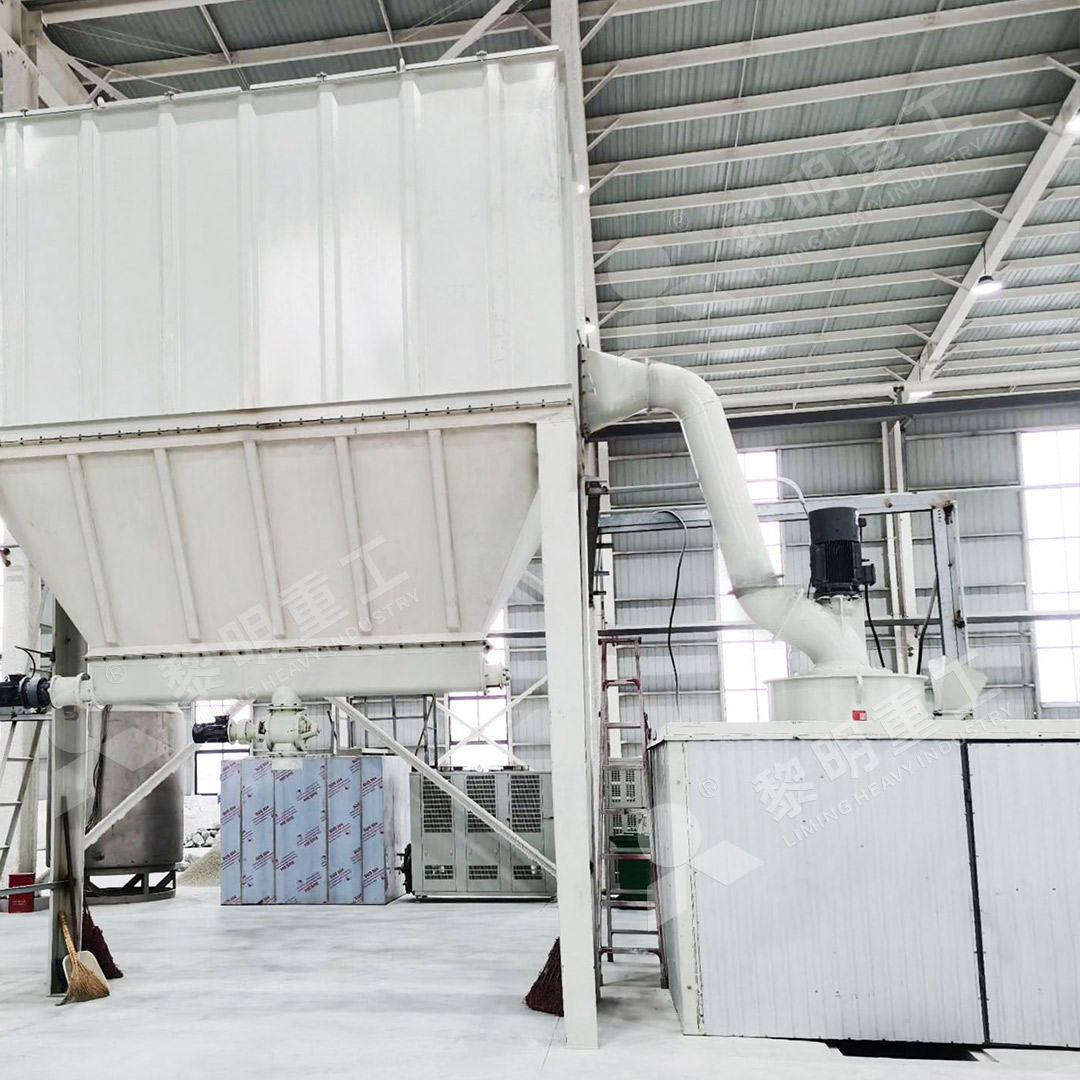
For operations requiring exceptionally fine powders, an ultrafine grinding mill is indispensable. LIMING’s MW Ultrafine Grinding Mill is a standout solution engineered for customers who need to make ultra-fine powder between 325-2500 meshes. With an input size of 0-20 mm and a capacity range of 0.5-25 tph, it is remarkably versatile, handling materials from limestone and calcite to talc and barite.
Its design incorporates several innovative features. The cage-type powder selector, leveraging German technology, ensures precise powder separation and a high sieving rate of d97≤5μm. A significant advantage is the absence of rolling bearings and screws in the grinding chamber, eliminating common failure points and allowing for external lubrication without shutdown. This enables continuous 24/7 production, making it a highly efficient and reliable workhorse for chemical, paint, and cosmetic industries.
Vertical Grinding for Enhanced Efficiency
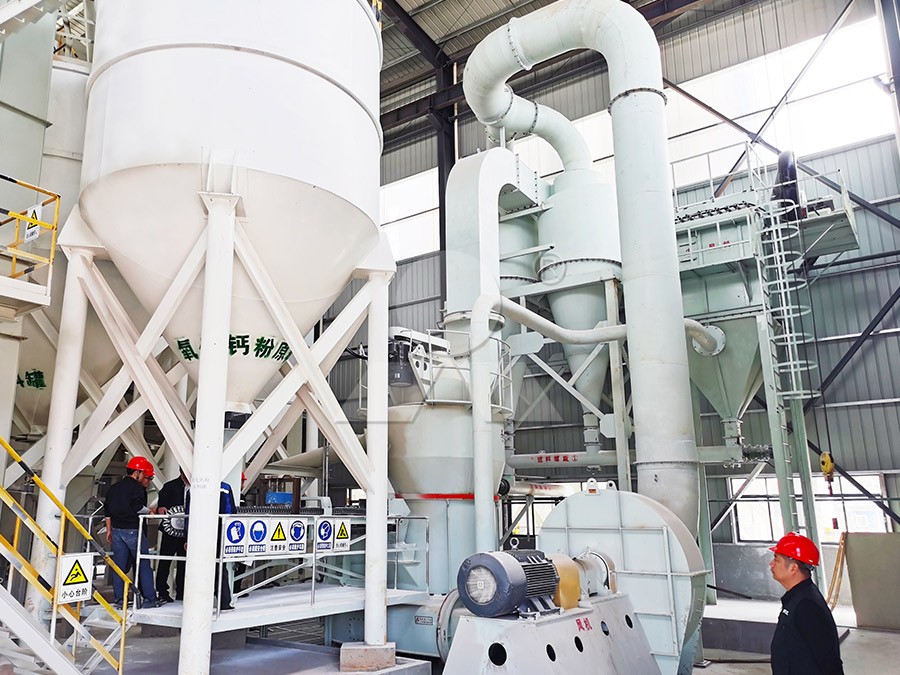
Another premier option for fine powder production is the LUM Ultrafine Vertical Grinding Mill. This mill integrates grinding, grading, and transporting into a single, compact unit. It boasts a capacity of 5-18 tph and can handle feed sizes up to 10 mm. Its key innovation lies in its unique roller shell and lining plate grinding curve, which promotes easier material layer formation and a higher yielding rate with exceptional product whiteness.
The LUM mill is designed for energy savings, reducing consumption by 30%-50% compared to conventional mills. Its double position-limiting technology protects the mill from destructive vibrations, ensuring exceptional operational stability. For maintenance, its reversible structure allows grinding rollers to be easily moved out of the body, drastically reducing downtime and associated costs. This mill is an ideal choice for processing superfine dry powder of non-metal ores.
Conclusion: Making an Informed Choice
Choosing from the top manufacturers in Jaipur requires a careful analysis of your specific grinding needs—required fineness, capacity, material characteristics, and budget. The market offers a solution for every scenario, from the high-volume processing capabilities of LM Vertical Mills to the precision fine-grinding of MW and LUM series mills.
We recommend engaging directly with manufacturers to discuss your application. Reputable suppliers will provide comprehensive technical data and, if possible, arrange for material testing to ensure their equipment meets your expectations for quality and efficiency.
Frequently Asked Questions (FAQ)
What is the primary advantage of an ultrafine grinding mill?
The main advantage is the ability to produce consistently fine and ultra-fine powders (e.g., 325-2500 mesh) with high precision and efficiency, which is essential for industries like chemicals, pharmaceuticals, and advanced materials.
How important is after-sales service when selecting a manufacturer?
Extremely important. Reliable after-sales service, including readily available original spare parts and expert technical support, is crucial for minimizing operational downtime and ensuring the long-term productivity and reliability of your grinding equipment.
Can these mills handle hard and abrasive materials?
Yes, many modern mills are constructed with wear-resistant alloys and feature designs that minimize wear on critical components. However, it is always best to consult with the manufacturer about your specific material’s properties (e.g., Mohs hardness, abrasiveness) to select the most suitable model and wear protection.
What does ‘integrated pulse dust collector’ mean?
It means the mill system comes equipped with its own high-efficiency dust collection system. This captures dust generated during the grinding process, ensuring a clean working environment that complies with national environmental protection standards, without the need for a separate, external dust collection unit.