
Biomass Waste Hammer Mill Specifications and Capacity Guide
We provide a wide range of mills — including Raymond mill, trapezoidal mill, vertical mill, ultrafine mill, and ball mill, obtained ISO9001 international quality certification, EU CE certification, and Customs Union CU-TR certification. Suitable for processing minerals such as limestone, phosphate, quicklime, kaolin, talc, barite, bentonite, calcium carbonate, dolomite, coal, gypsum, clay, carbon black, slag, cement raw materials, cement clinker, and more.
The discharge range of these mills can be adjusted to meet specific processing needs, typically from 80-400 mesh, 600-3250 mesh, and can achieve the finest particle size of up to 6000 mesh(D50).
If you are looking for a reliable grinding solution to turn stone or minerals into fine powder, please feel free to contact our online customer service.
Biomass Waste Hammer Mill Specifications and Capacity Guide
Processing biomass waste efficiently requires robust and high-capacity grinding equipment. Hammer mills are specifically designed to handle a variety of biomass materials, transforming them into uniform, fine powders suitable for further processing or energy production. Understanding the key specifications and capacity parameters is crucial for selecting the right equipment for your operations.
When dealing with biomass waste, the input size and moisture content are critical factors. Most hammer mills can handle input sizes ranging from 0-50mm, but for finer and more consistent output, advanced grinding technologies are recommended. Capacity varies significantly based on the material hardness, moisture, and desired fineness, typically ranging from 3 to 55 tons per hour (tph).
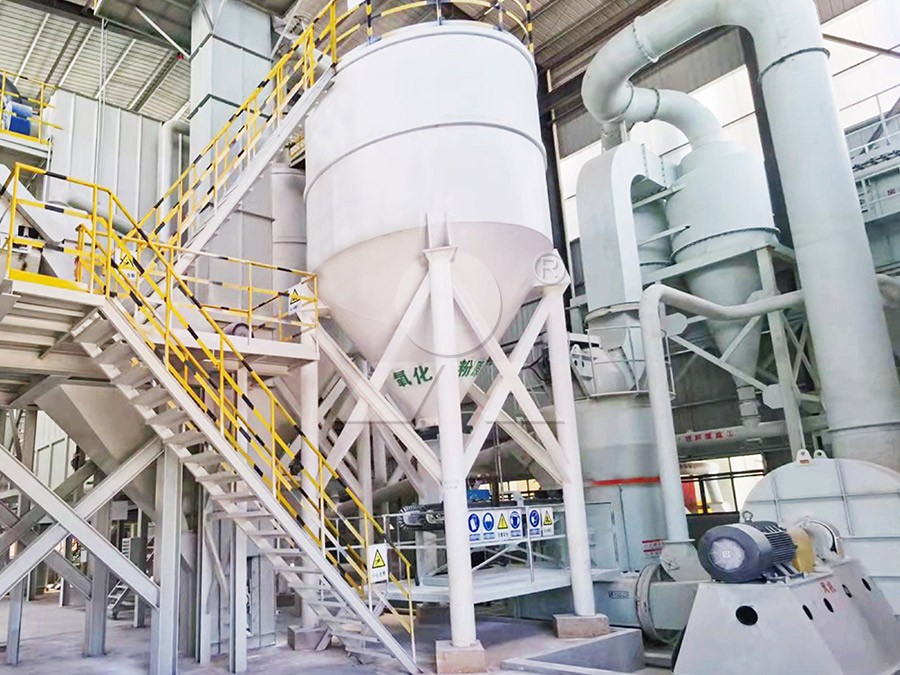
For operations requiring ultra-fine grinding of biomass materials like wood chips, straw, or agricultural residues, the MW Ultrafine Grinding Mill is an excellent choice. With an input size of 0-20 mm and a capacity of 0.5-25 tph, it is engineered to produce fine powders between 325-2500 meshes. Its innovative design includes no rolling bearings or screws in the grinding chamber, reducing maintenance needs and enhancing durability. The efficient pulse dust collector ensures eco-friendly operation by minimizing dust emissions.
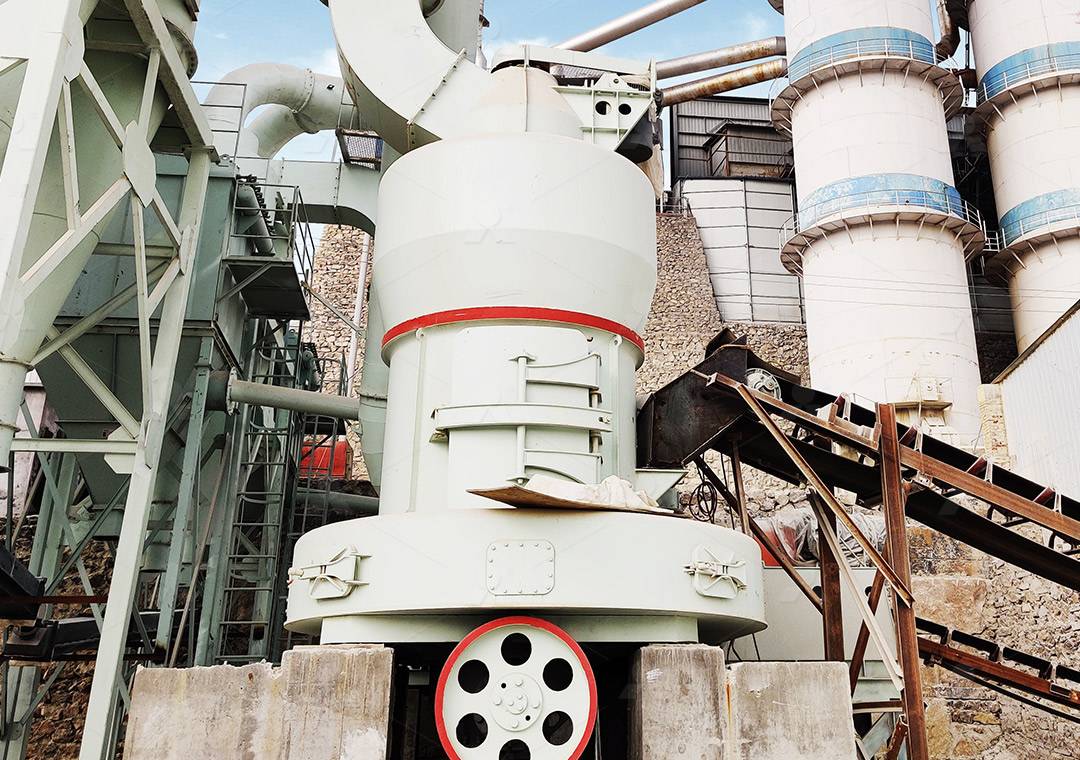
Another standout option is the LUM Ultrafine Vertical Grinding Mill, which handles input sizes up to 10 mm and offers a capacity of 5-18 tph. It integrates advanced grinding roller and powder separating technologies, providing higher yielding rates and better energy efficiency. Its reversible structure simplifies maintenance, making it ideal for continuous biomass processing operations.
Key Considerations for Biomass Grinding
Selecting the right hammer mill involves evaluating several factors:
- Material Characteristics: Hardness, moisture content, and abrasiveness influence the choice of mill and its wear parts.
- Capacity Requirements: Ensure the mill can handle your production volume without bottlenecks.
- Fineness Control: Adjustable fineness settings allow customization based on end-use requirements.
- Operational Costs: Energy consumption, maintenance needs, and spare parts availability impact long-term profitability.
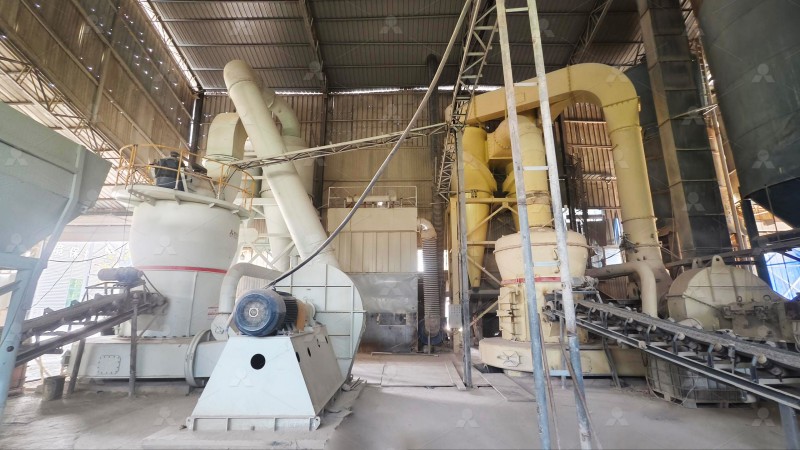
Both the MW and LUM mills are designed with these factors in mind, offering digitalized processing for higher precision and reliable performance. Their eco-friendly features, such as reduced noise and dust emissions, align with modern environmental standards.
Frequently Asked Questions (FAQ)
What is the typical capacity range for biomass hammer mills?
Capacity varies from 3 to 55 tph, depending on the material and desired fineness. For example, the MW Ultrafine Grinding Mill offers 0.5-25 tph, while the LUM Ultrafine Vertical Grinding Mill provides 5-18 tph.
How fine can biomass waste be ground?
With advanced mills like the MW series, fineness can be adjusted between 325-2500 meshes, ensuring suitability for various applications, including biofuel production and composting.
Are these mills environmentally friendly?
Yes, models like the MW and LUM mills incorporate pulse dust collectors and noise reduction technologies, minimizing dust and noise pollution during operation.
What maintenance is required?
Both mills feature designs that reduce maintenance needs, such as external lubrication systems and reversible structures for easy access to wear parts.
Can these mills handle high-moisture biomass?
While hammer mills are generally versatile, high moisture content may affect performance. It’s advisable to pre-dry materials or choose mills with integrated drying capabilities for optimal results.