
Top 10 Jaw Crusher and Ball Mill Suppliers for Industrial Grinding
We provide a wide range of mills — including Raymond mill, trapezoidal mill, vertical mill, ultrafine mill, and ball mill, obtained ISO9001 international quality certification, EU CE certification, and Customs Union CU-TR certification. Suitable for processing minerals such as limestone, phosphate, quicklime, kaolin, talc, barite, bentonite, calcium carbonate, dolomite, coal, gypsum, clay, carbon black, slag, cement raw materials, cement clinker, and more.
The discharge range of these mills can be adjusted to meet specific processing needs, typically from 80-400 mesh, 600-3250 mesh, and can achieve the finest particle size of up to 6000 mesh(D50).
If you are looking for a reliable grinding solution to turn stone or minerals into fine powder, please feel free to contact our online customer service.
Navigating the World of Industrial Grinding: A Look at Top Suppliers
When it comes to industrial grinding and crushing, the choice of equipment is paramount to operational efficiency, cost-effectiveness, and final product quality. The market is filled with numerous suppliers offering everything from robust jaw crushers for primary size reduction to sophisticated ball mills for fine grinding. This article explores the landscape of top-tier suppliers and highlights some key technologies that are setting new standards in the industry.
The Backbone of Processing: Jaw Crushers and Ball Mills
For any operation dealing with raw minerals, ores, or hard materials, the process typically begins with a jaw crusher. These workhorses are designed to handle the toughest materials, reducing large rocks to manageable sizes. Following primary crushing, ball mills often take over, using steel balls to grind the material into a fine powder through impact and attrition. The reliability and efficiency of these machines directly impact downstream processes and overall profitability.
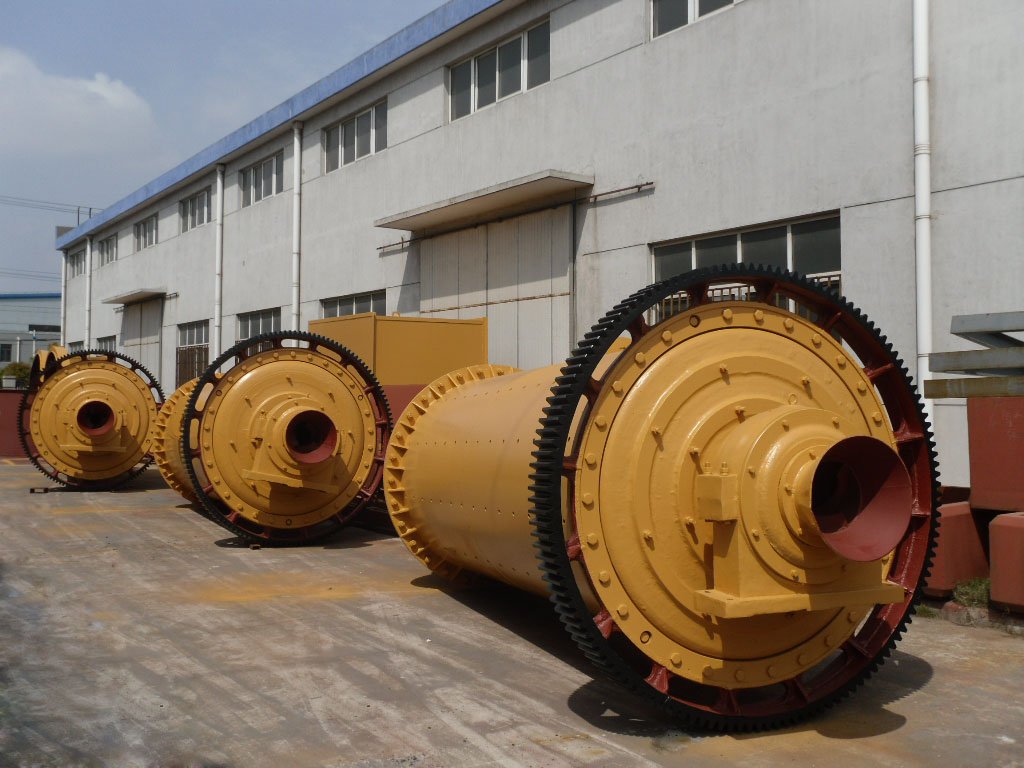
While traditional equipment like ball mills remain widely used, technological advancements have led to the development of more efficient grinding solutions. Suppliers are constantly innovating to offer machines that provide higher yields, lower energy consumption, and greater operational stability.
Beyond Tradition: The Rise of Advanced Grinding Technology
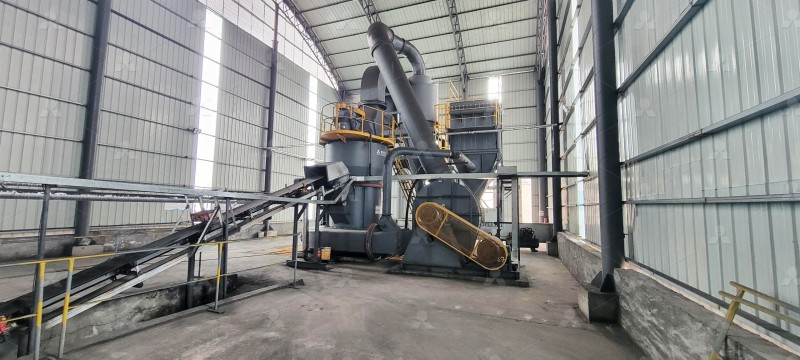
In recent years, we’ve seen a significant shift towards vertical roller mills and ultrafine grinding systems. These technologies offer distinct advantages over conventional ball mills, including a smaller footprint, significantly lower specific energy consumption, and the ability to handle drier materials, which reduces the need for downstream drying.
One standout example is the MW Ultrafine Grinding Mill from LIMING. This machine is a game-changer for operations requiring ultra-fine powder. With an input size of 0-20 mm and a capacity range of 0.5-25 tph, it’s incredibly versatile. What sets it apart is its innovative design that eliminates rolling bearings and screws in the grinding chamber, virtually eliminating concerns about bearing damage or loose screws causing failures. Its cage-type powder selector, leveraging German technology, allows for precise fineness adjustment between 325-2500 meshes. Furthermore, its efficient pulse dust collector and muffler make it an environmentally conscious choice, reducing both dust and noise pollution. For producers of limestone, calcite, dolomite, or even specialized applications in cosmetics and food additives, the MW series represents a leap forward in grinding technology.
Choosing the Right Supplier: What to Look For
Selecting a supplier goes beyond just the machine specs. Top-tier suppliers distinguish themselves through comprehensive support, digitalized manufacturing for higher precision, and a reliable supply of genuine spare parts. Companies like LIMING, which handle both production and sales, ensure accountability and provide technical services that guarantee worry-free operation. This holistic approach to machinery supply is crucial for minimizing downtime and maximizing long-term ROI.
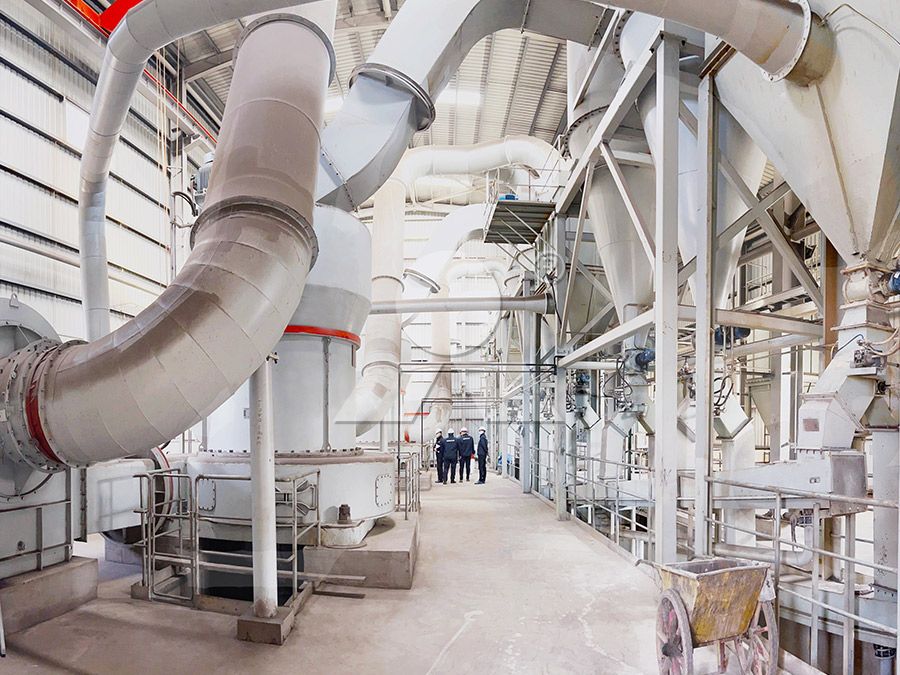
Another remarkable offering for fine powder production is the LUM Ultrafine Vertical Grinding Mill. Ideal for a feed size of 0-10 mm and capacities between 5-18 tph, it integrates ultrafine powder grinding, grading, and transporting. Its unique roller shell and lining plate grinding curve generate a stable material layer, enabling a high rate of finished product in a single pass. This not only boosts efficiency but also enhances the whiteness and cleanliness of the final powder—a critical factor for many industrial applications.
Conclusion: The Future is Efficient and Sustainable
The evolution of grinding technology is clearly moving towards higher efficiency, lower energy consumption, and more environmentally friendly operations. While jaw crushers and ball mills from reputable suppliers will always have their place, embracing advanced technologies like the MW and LUM series mills can provide a significant competitive edge. When evaluating suppliers, prioritize those who offer not just equipment, but a partnership backed by innovation, reliability, and unwavering support.