
Essential Guide to Roller Mill Operation and Maintenance for Optimal Performance
We provide a wide range of mills — including Raymond mill, trapezoidal mill, vertical mill, ultrafine mill, and ball mill, obtained ISO9001 international quality certification, EU CE certification, and Customs Union CU-TR certification. Suitable for processing minerals such as limestone, phosphate, quicklime, kaolin, talc, barite, bentonite, calcium carbonate, dolomite, coal, gypsum, clay, carbon black, slag, cement raw materials, cement clinker, and more.
The discharge range of these mills can be adjusted to meet specific processing needs, typically from 80-400 mesh, 600-3250 mesh, and can achieve the finest particle size of up to 6000 mesh(D50).
If you are looking for a reliable grinding solution to turn stone or minerals into fine powder, please feel free to contact our online customer service.
Essential Guide to Roller Mill Operation and Maintenance for Optimal Performance
Roller mills are indispensable in industries requiring fine powder production, from mining to pharmaceuticals. Proper operation and maintenance are critical to maximizing efficiency, longevity, and output quality. This guide covers best practices and highlights LIMING’s advanced solutions, including the MW Ultrafine Grinding Mill and LUM Ultrafine Vertical Grinding Mill, designed to elevate your grinding operations.
1. Key Operational Practices
a. Pre-Operation Checks:
– Inspect lubrication systems (e.g., MW Ultrafine Grinding Mill’s external lubricating device ensures 24/7 operation without shutdown).
– Verify grinding roller and ring alignment to prevent uneven wear.
– Confirm dust collector functionality (MW model’s pulse dust collector eliminates pollution).
b. Optimal Feed Control:
– Maintain consistent feed rates within the mill’s capacity (e.g., MW model handles 0.5–25 tph at 0–20 mm input size).
– Avoid overloading to prevent energy waste and premature wear.
2. Maintenance Strategies
a. Routine Lubrication:
– Use high-quality oils for dilute oil lubrication systems (featured in LUM Vertical Mill).
– Schedule lubrication based on operational hours (refer to LIMING’s technical manuals).
b. Wear Part Replacement:
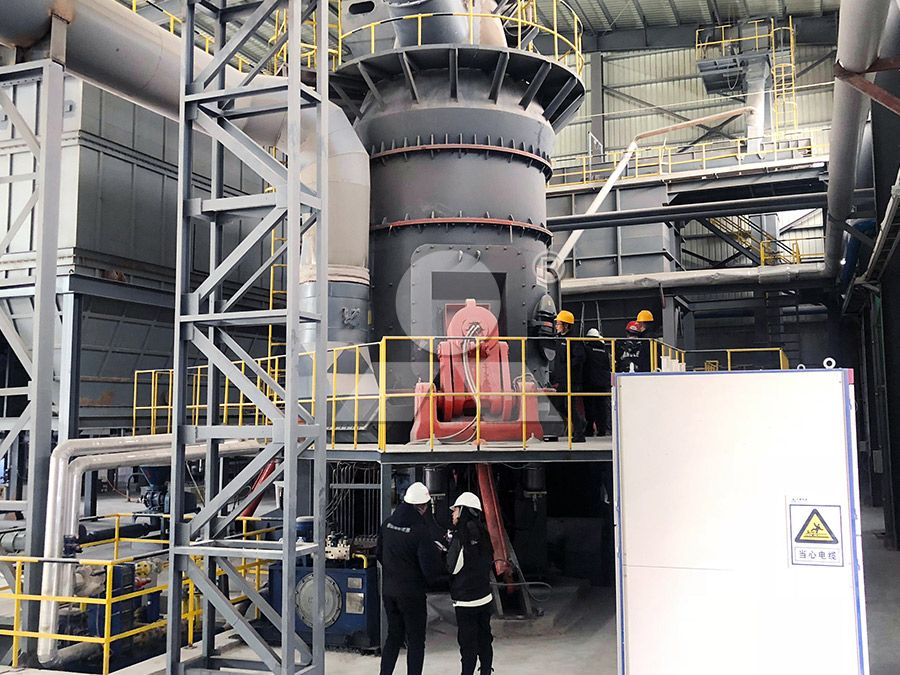
– Monitor roller and ring wear; LIMING’s reversible roller design (LUM model) simplifies maintenance.
– Utilize genuine spare parts to ensure compatibility (LIMING guarantees original parts supply).
3. Enhancing Performance with Advanced Mills
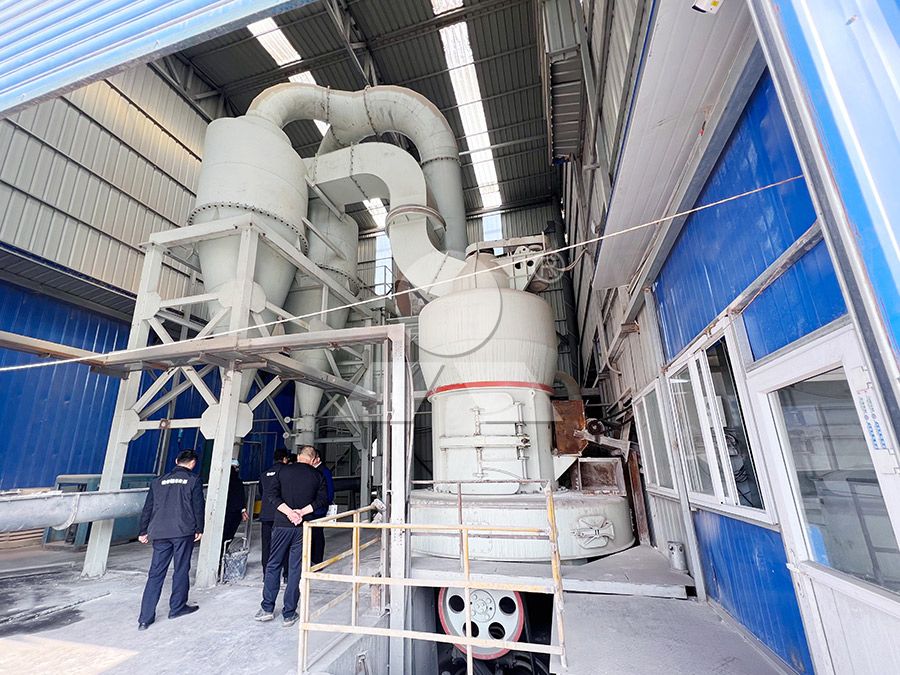
LIMING’s MW Ultrafine Grinding Mill excels in precision:
– Adjustable fineness (325–2500 meshes) via German cage-type powder selector.
– Eco-friendly operation with noise reduction and dust-free output.
The LUM Ultrafine Vertical Grinding Mill offers:
– 30–50% energy savings with PLC-controlled multi-head powder separation.
– Double position-limiting technology for vibration resistance.
4. Troubleshooting Common Issues
a. Vibration: Check for loose screws (MW model’s screw-free chamber eliminates this risk).
b. Low Output: Verify separator settings or feed consistency (LUM’s digital controls simplify adjustments).
5. Conclusion
Proactive maintenance and leveraging advanced technologies like LIMING’s MW and LUM mills ensure peak performance. Their energy-efficient, high-yield designs—coupled with eco-friendly features—make them ideal for modern grinding demands. For tailored solutions, explore LIMING’s portfolio to match your specific needs.