
Price of Ceramic Grinding Ball Mill: Cost Analysis & Factors
We provide a wide range of mills — including Raymond mill, trapezoidal mill, vertical mill, ultrafine mill, and ball mill, obtained ISO9001 international quality certification, EU CE certification, and Customs Union CU-TR certification. Suitable for processing minerals such as limestone, phosphate, quicklime, kaolin, talc, barite, bentonite, calcium carbonate, dolomite, coal, gypsum, clay, carbon black, slag, cement raw materials, cement clinker, and more.
The discharge range of these mills can be adjusted to meet specific processing needs, typically from 80-400 mesh, 600-3250 mesh, and can achieve the finest particle size of up to 6000 mesh(D50).
If you are looking for a reliable grinding solution to turn stone or minerals into fine powder, please feel free to contact our online customer service.
Price of Ceramic Grinding Ball Mill: Cost Analysis & Factors
When considering the investment in a ceramic grinding ball mill, understanding the factors that influence its price is crucial for making an informed decision. The initial purchase price is just one component of the total cost of ownership, which also includes operational expenses, maintenance, and energy consumption. Let’s break down the key factors that affect the overall cost.
Key Factors Influencing the Price
1. Capacity and Throughput: The size and capacity of the mill directly correlate with its price. Higher capacity mills, capable of processing more material per hour, naturally command a higher price due to larger components, more robust construction, and advanced technology.
2. Material and Build Quality: The quality of materials used in construction, especially the grinding media and liners, significantly impacts both the initial cost and the longevity of the mill. High-wear-resistant alloys and ceramics, while more expensive upfront, reduce replacement frequency and downtime.
3. Technological Features: Mills equipped with advanced features like automated control systems, efficient dust collection, noise reduction technology, and energy-saving mechanisms will have a higher initial cost but offer substantial savings in operational expenses. For instance, mills with optimized grinding curves and efficient powder selection technology can achieve higher yields with lower energy consumption.
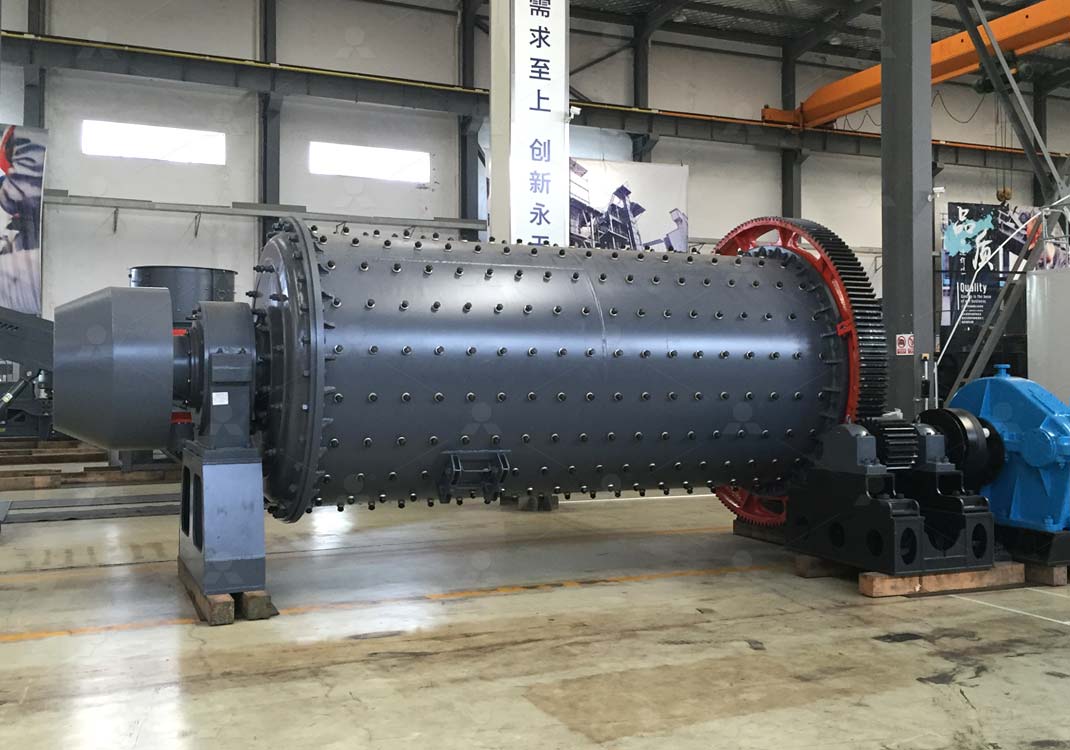
4. Energy Consumption: This is a major long-term cost factor. A mill that operates at lower energy consumption can save a significant amount on electricity bills over its lifespan. For example, some advanced mills consume up to 30-50% less energy compared to traditional ball mills.
5. Maintenance and Spare Parts: The design of the mill affects maintenance costs. A machine designed for easy access to wear parts, with reliable local technical support and a ready supply of original spare parts, minimizes costly downtime. A design that eliminates common failure points, like internal screws or complex bearing systems, is highly valuable.
Beyond the Ball Mill: Considering Advanced Alternatives
While traditional ball mills are common, modern grinding technology offers superior alternatives that can provide a better return on investment through higher efficiency and lower operating costs. For operations requiring ultra-fine powder, an MW Ultrafine Grinding Mill presents a compelling option.
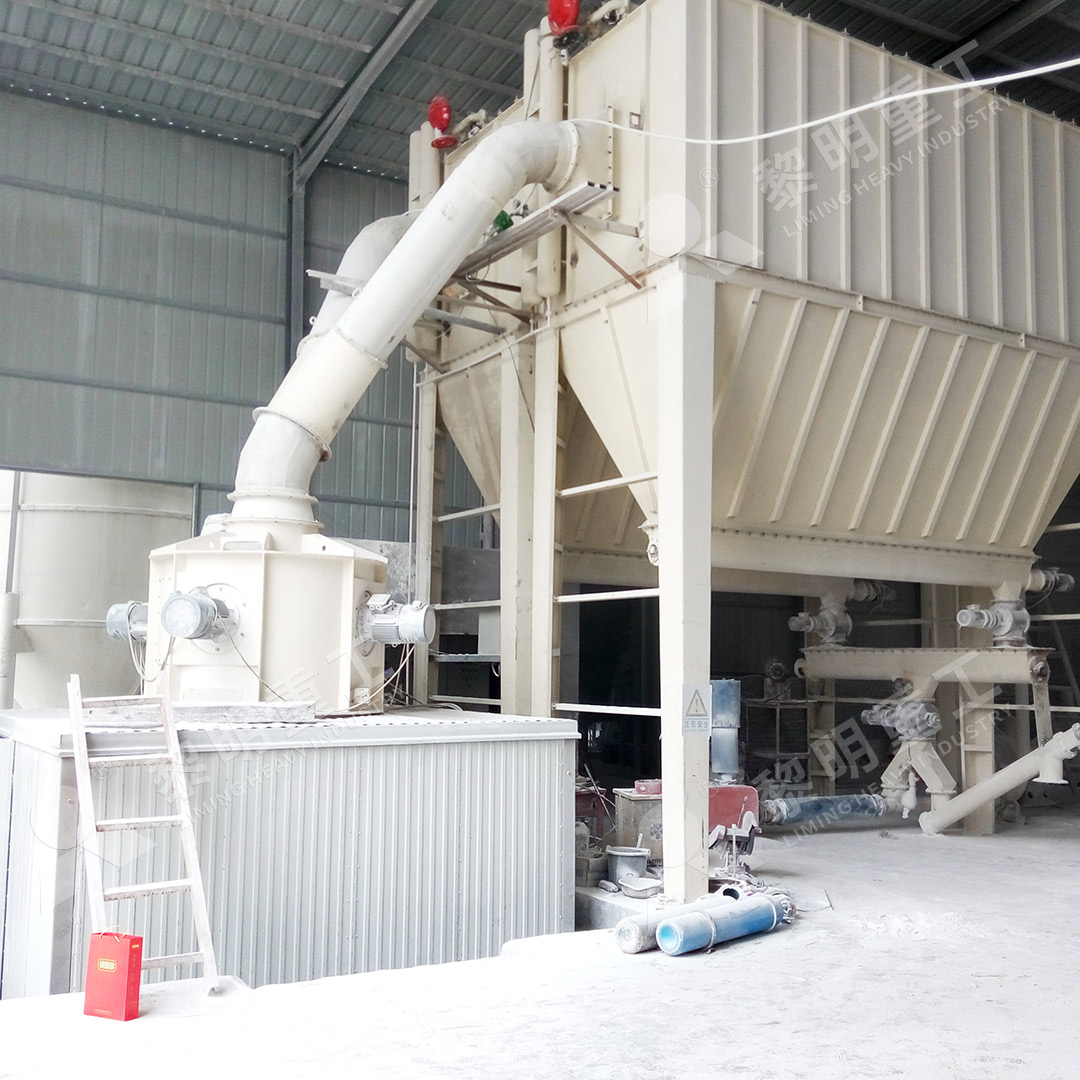
Our MW Ultrafine Grinding Mill is engineered for customers who need to produce high-quality ultra-fine powder efficiently. With an input size of 0-20 mm and a capacity range of 0.5-25 tph, it is highly versatile. Its key advantage lies in its significantly higher yield and lower energy consumption. The newly designed grinding curves of the roller and ring enhance efficiency, achieving 40% higher production capacity than jet mills and double the yield of ball mills, while using only 30% of the energy of a jet mill. Furthermore, its cage-type powder selector allows for precise fineness adjustment between 325-2500 meshes. A critical design feature is the absence of rolling bearings and screws in the grinding chamber, virtually eliminating related failures and enabling external lubrication without shutdown for true 24/7 operation. Coupled with an efficient pulse dust collector and muffler, it ensures an eco-friendly production process with minimal dust and noise pollution.
Total Cost of Ownership Analysis
When evaluating the price, a simple comparison of initial quotes is insufficient. A proper Total Cost of Ownership (TCO) analysis must include:
- Capital Expenditure (CAPEX): The purchase price of the mill and installation.
- Operational Expenditure (OPEX): Energy costs, grinding media consumption, and routine maintenance.
- Downtime Costs: Lost production due to maintenance and repairs.
- Labor Costs: Manpower required for operation and maintenance.
An advanced mill like the MW series, though potentially a higher CAPEX, often results in a much lower TCO due to drastic reductions in OPEX and downtime costs.

Conclusion
The price of a ceramic grinding solution is a complex equation. Focusing solely on the initial purchase price can lead to higher long-term expenses. Investing in a technologically advanced, energy-efficient, and reliably designed mill from a reputable manufacturer like us, who provides comprehensive technical support and genuine spare parts, is the most cost-effective strategy. Evaluating mills like our MW Ultrafine Grinding Mill or the LUM Ultrafine Vertical Grinding Mill (with a capacity of 5-18 tph) based on their TCO will ensure you select a solution that maximizes productivity and profitability for years to come.