
Key Performance Indicators and Efficiency Analysis of Coal Mills in Large-Scale Thermal Power Plants
We provide a wide range of mills — including Raymond mill, trapezoidal mill, vertical mill, ultrafine mill, and ball mill, obtained ISO9001 international quality certification, EU CE certification, and Customs Union CU-TR certification. Suitable for processing minerals such as limestone, phosphate, quicklime, kaolin, talc, barite, bentonite, calcium carbonate, dolomite, coal, gypsum, clay, carbon black, slag, cement raw materials, cement clinker, and more.
The discharge range of these mills can be adjusted to meet specific processing needs, typically from 80-400 mesh, 600-3250 mesh, and can achieve the finest particle size of up to 6000 mesh(D50).
If you are looking for a reliable grinding solution to turn stone or minerals into fine powder, please feel free to contact our online customer service.
Key Performance Indicators and Efficiency Analysis of Coal Mills in Large-Scale Thermal Power Plants
In large-scale thermal power plants, coal mills play a critical role in the efficient conversion of coal into pulverized fuel for combustion. The performance of these mills directly impacts plant efficiency, operational costs, and environmental compliance. This article examines key performance indicators (KPIs) and efficiency metrics for coal mills, with a focus on optimizing grinding processes.
1. Critical KPIs for Coal Mill Performance
Several KPIs are essential for evaluating coal mill performance:
- Grinding Efficiency: Measured as the ratio of energy input to the mass of coal ground per unit time. Higher efficiency reduces operational costs.
- Fineness Index: The particle size distribution of pulverized coal, typically targeting 70-80% passing 75 microns for optimal combustion.
- Mill Capacity: The throughput rate (tph) while maintaining required fineness.
- Specific Power Consumption: kWh/ton of coal ground, a direct measure of energy efficiency.
- Wear Rate of Grinding Components: Impacts maintenance frequency and operating costs.
2. Efficiency Optimization Strategies
Modern thermal plants are adopting advanced grinding technologies to improve these KPIs:
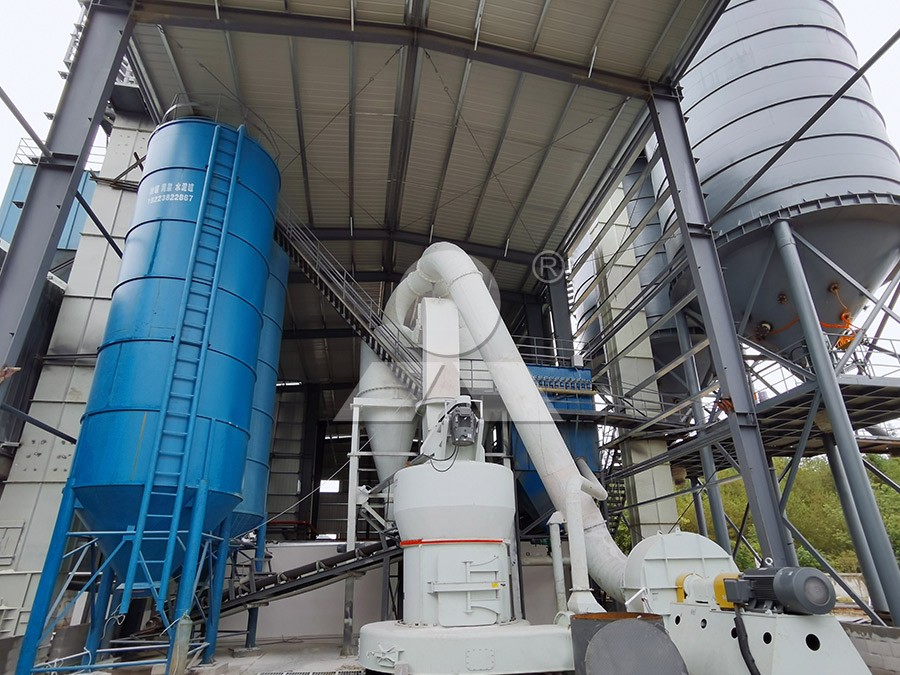
The MW Ultrafine Grinding Mill represents a significant advancement with its 40% higher capacity compared to conventional mills while consuming 30% less energy. Its adjustable fineness (325-2500 meshes) and pulse dust collection system make it particularly suitable for power plant applications requiring precise particle control and environmental compliance.
Key features that enhance efficiency include:
- German-designed cage-type powder selector for superior particle separation
- External lubrication system enabling 24/7 operation
- Integrated noise reduction technology meeting strict environmental standards
3. Case Study: Vertical Mill Advantages
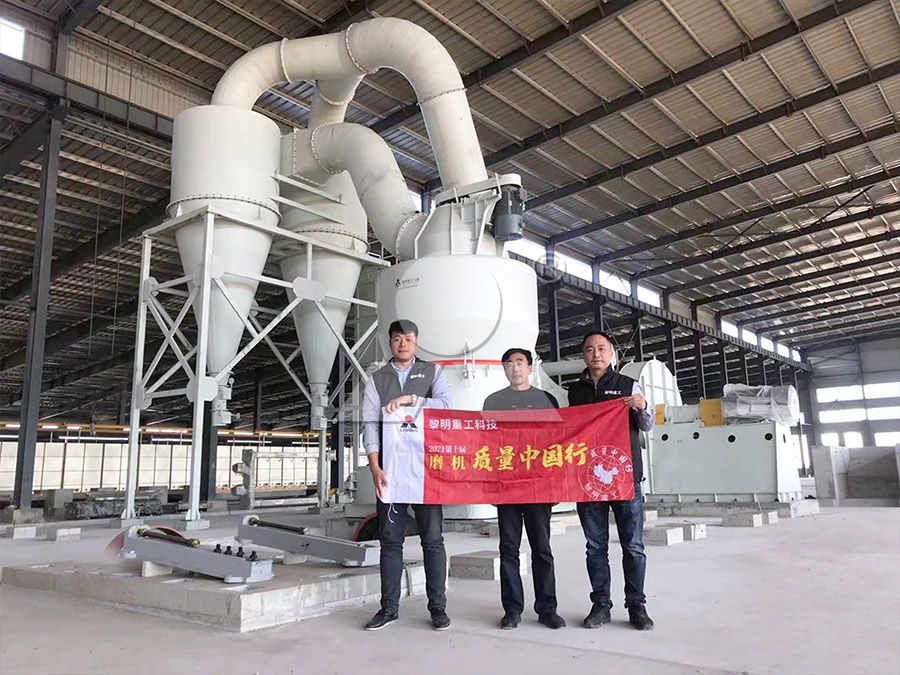
Vertical roller mills like the LM Vertical Coal Mill demonstrate superior performance in thermal applications:
- 50% smaller footprint than ball mill systems
- 30-40% energy savings through optimized grinding mechanics
- Integrated drying capability for high-moisture coals
- Automated control systems for consistent product quality
4. Maintenance and Reliability Considerations
Advanced designs address traditional maintenance challenges:
The MW Ultrafine Grinding Mill’s elimination of internal bearings and screws significantly reduces failure points. Similarly, the LUM Ultrafine Vertical Grinding Mill’s reversible structure allows rapid roller maintenance without full disassembly – critical for minimizing power plant downtime.
5. Environmental Performance
Modern mills must meet stringent emission standards. The MW series achieves this through:
- Pulse dust collectors with >99.9% efficiency
- Integrated silencers maintaining noise below 85dB
- Negative pressure operation preventing dust leakage
Conclusion
Optimizing coal mill performance requires balancing multiple KPIs through advanced grinding technology. Solutions like the MW Ultrafine Grinding Mill and LM Vertical Coal Mill demonstrate how innovative design can simultaneously improve efficiency, reliability, and environmental compliance in thermal power applications. As plants face increasing pressure to reduce emissions and operating costs, these high-performance milling systems will become essential components of modern power generation infrastructure.