
Top 10 Ball Mill Grinding Machine Manufacturers for Industrial Use
We provide a wide range of mills — including Raymond mill, trapezoidal mill, vertical mill, ultrafine mill, and ball mill, obtained ISO9001 international quality certification, EU CE certification, and Customs Union CU-TR certification. Suitable for processing minerals such as limestone, phosphate, quicklime, kaolin, talc, barite, bentonite, calcium carbonate, dolomite, coal, gypsum, clay, carbon black, slag, cement raw materials, cement clinker, and more.
The discharge range of these mills can be adjusted to meet specific processing needs, typically from 80-400 mesh, 600-3250 mesh, and can achieve the finest particle size of up to 6000 mesh(D50).
If you are looking for a reliable grinding solution to turn stone or minerals into fine powder, please feel free to contact our online customer service.
Navigating the World of Industrial Grinding: A Look at Top Manufacturers
The industrial sector relies heavily on efficient and reliable grinding machinery to process a vast array of materials, from minerals and ores to chemicals and food additives. Choosing the right equipment from a reputable manufacturer is paramount for productivity, cost-effectiveness, and final product quality. While ball mills have been a traditional staple, technological advancements have introduced superior solutions like ultrafine grinding mills and vertical roller mills that offer significant advantages in energy consumption, footprint, and particle size control.
The Evolution Beyond Traditional Ball Mills
For decades, the ball mill was the undisputed king of industrial grinding. Its simple principle of using tumbling steel balls to crush and blend materials made it a common sight in countless plants. However, its inefficiencies – high energy consumption, significant heat generation, and limited fineness control – paved the way for innovation. Today’s leading manufacturers are focused on developing machines that deliver higher yields with drastically lower operating costs and a smaller environmental footprint. Modern mills integrate crushing, drying, grinding, and classifying into a single, compact unit, often controlled by sophisticated automation systems.
Spotlight on Innovative Grinding Solutions
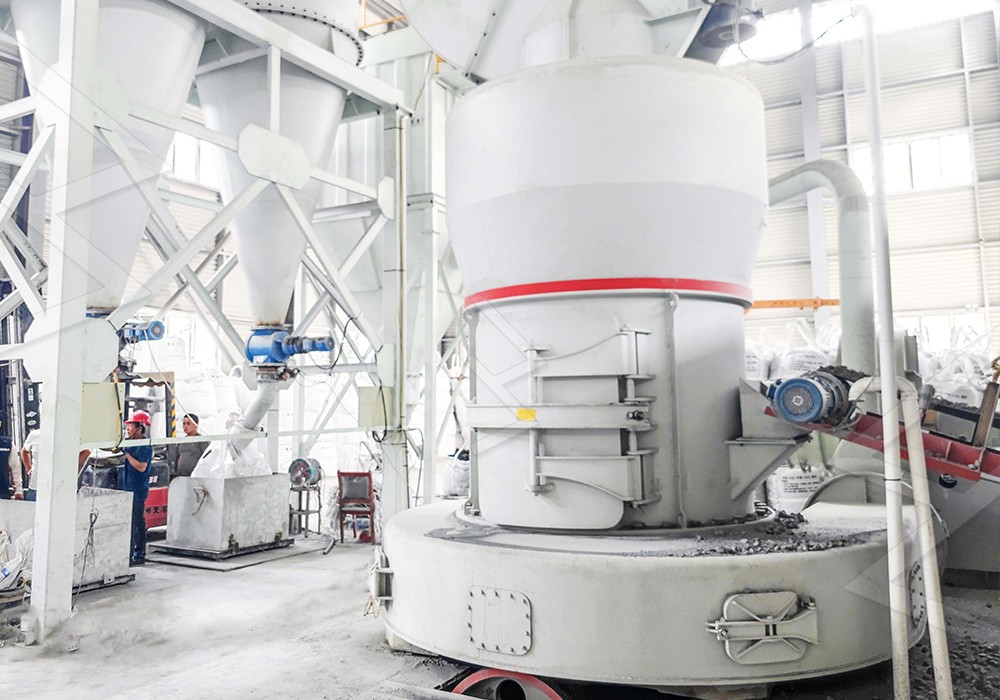
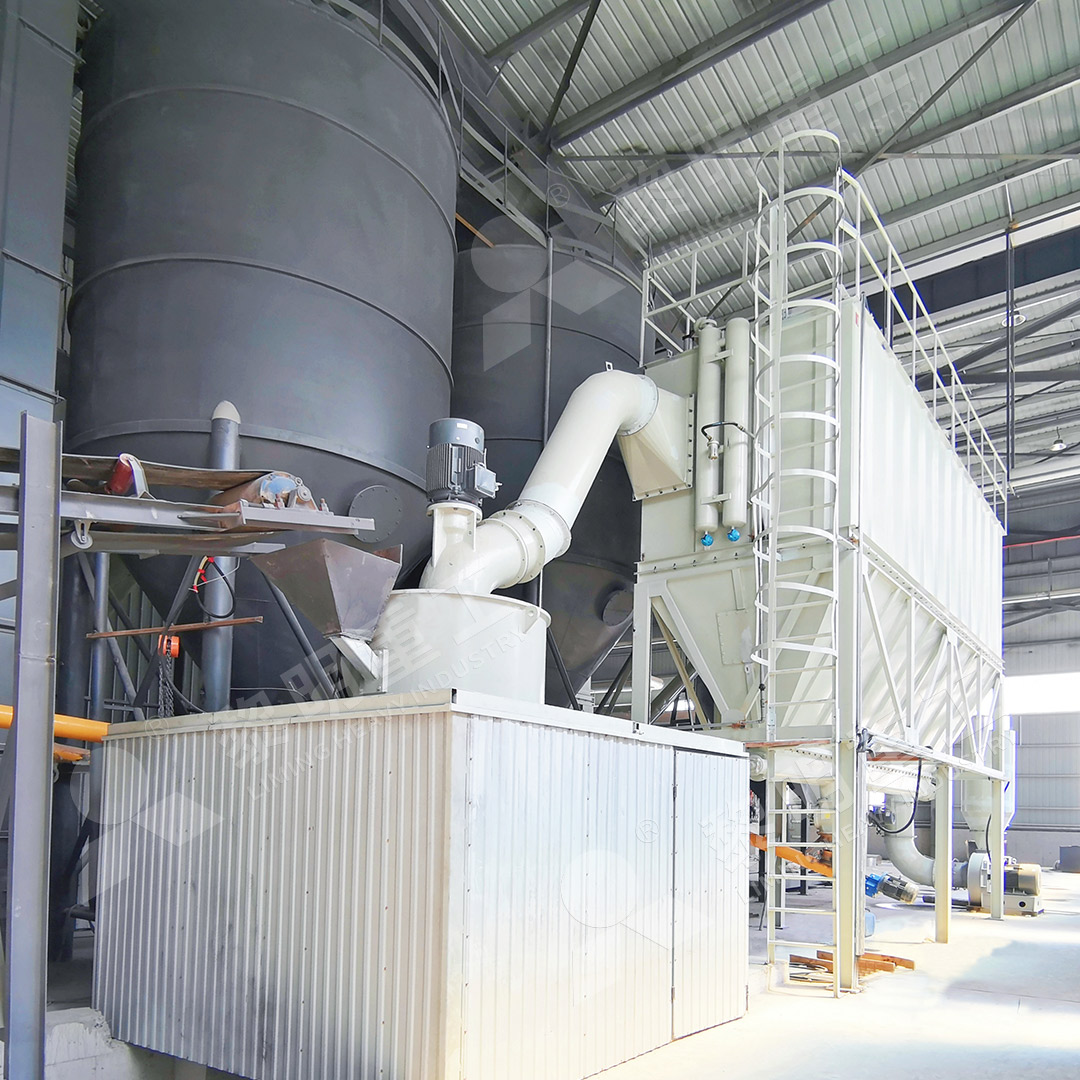
Among the plethora of options, ultrafine grinding technology stands out for applications requiring powders in the meshes range. For operations that need to produce ultra-fine powder between 325-2500 meshes, the MW Ultrafine Grinding Mill is a standout peice of engineering. Designed for eco-conscious customers, it’s equipped with an efficient pulse dust collector and muffler, significantly reducing dust and noise pollution. Its unique design, featuring no rolling bearings or screws in the grinding chamber, eliminates worries about bearing damage or loose screws causing failures. With a capacity of 0.5-25 tph and the ability to handle materials like limestone, calcite, and talc, it achieves a production capacity 40% higher than jet mills while consuming only 30% of the energy. Its German-designed cage-type powder selector ensures precise separation for a consistently high-quality product.
For another robust option, the LUM Ultrafine Vertical Grinding Mill integrates the latest roller and powder separating technology. It’s renowned for its higher yielding rate and better product quality, often achieving 30%-50% lower energy consumption compared to conventional mills. Its reversible structure is a maintenance engineer’s dream, allowing for easy access to grinding rollers for inspection and part replacement, minimizing costly downtime.
Choosing the Right Manufacturer
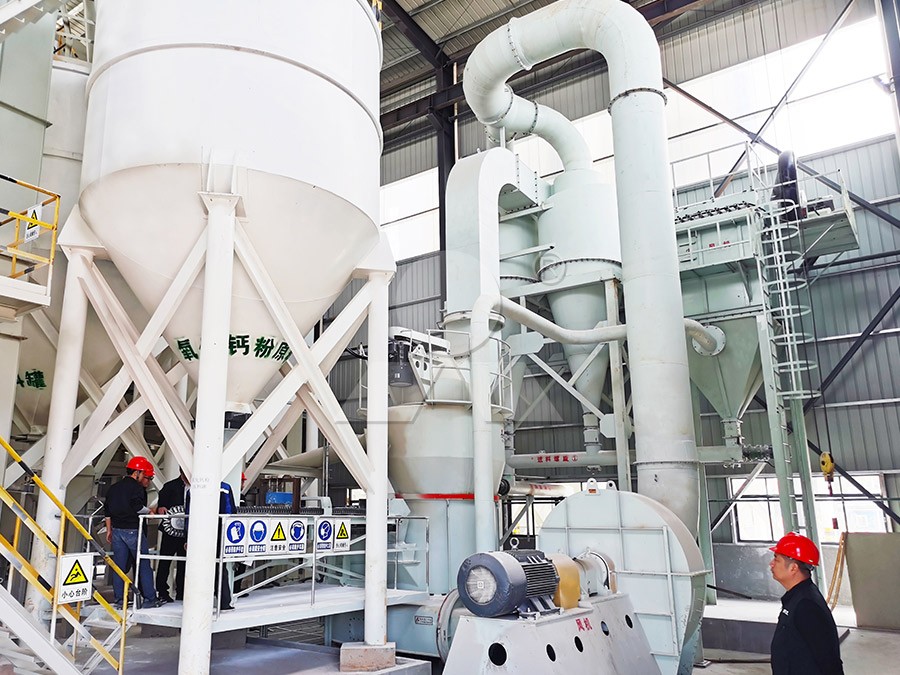
Selecting a grinding machine manufacturer goes beyond just the specs sheet. Key factors include the availability of original spare parts, comprehensive technical support, and a proven track record of reliability. Companies that control their production from machining to assembly, utilizing numerical control tools for high precision, tend to deliver more dependable and longer-lasting equipment. Furthermore, a manufacturer’s commitment to after-sales service ensures worry-free operation for years to come, protecting your investment and keeping your production line running smoothly.
Conclusion
The market for industrial grinding equipment is rich with options, moving far beyond the traditional ball mill. From vertical roller mills like the LM series to specialized trapezium mills like the MTW-Z, the focus is on efficiency, sustainability, and precision. For those seeking exceptional performance in the ultrafine powder realm, solutions like the MW and LUM mills represent the cutting edge of grinding technology, offering a compelling blend of high yield, low energy use, and operational reliability that can give any industrial operation a competitive edge.