
Market Price Analysis: Sodium Feldspar Powder Grinding Equipment Cost Trends
We provide a wide range of mills — including Raymond mill, trapezoidal mill, vertical mill, ultrafine mill, and ball mill, obtained ISO9001 international quality certification, EU CE certification, and Customs Union CU-TR certification. Suitable for processing minerals such as limestone, phosphate, quicklime, kaolin, talc, barite, bentonite, calcium carbonate, dolomite, coal, gypsum, clay, carbon black, slag, cement raw materials, cement clinker, and more.
The discharge range of these mills can be adjusted to meet specific processing needs, typically from 80-400 mesh, 600-3250 mesh, and can achieve the finest particle size of up to 6000 mesh(D50).
If you are looking for a reliable grinding solution to turn stone or minerals into fine powder, please feel free to contact our online customer service.
Market Price Analysis: Sodium Feldspar Powder Grinding Equipment Cost Trends
In the ever-evolving industrial minerals sector, sodium feldspar remains a critical raw material for ceramics, glass, and coatings. The efficiency and cost-effectiveness of its processing, particularly the grinding stage, significantly impact overall production economics. This analysis delves into the current market trends influencing the pricing of grinding equipment essential for producing high-quality sodium feldspar powder.
Over the past few years, the global market for grinding mills has experienced moderate price fluctuations. These are primarily driven by rising raw material costs for steel and alloys, increased energy expenses, and advancements in technology that incorporate more sophisticated automation and environmental controls. While initial capital outlay is a consideration, savvy operators are increasingly focused on the Total Cost of Ownership (TCO), which encompasses energy consumption, maintenance downtime, wear part replacement, and operational longevity.
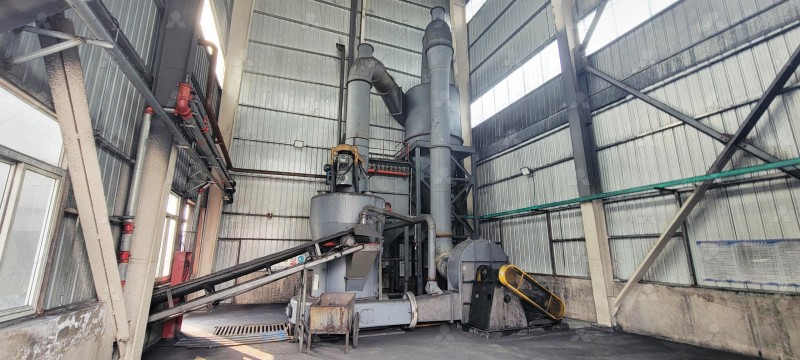
For sodium feldspar applications, achieving a consistent fine grind between 200-2500 meshes is paramount. Traditional ball mills, while having a lower initial purchase price, often incur higher energy and maintenance costs over time. The market trend is visibly shifting towards more efficient, vertically-integrated grinding systems that offer superior energy efficiency, lower wear rates, and advanced classification technology for precise particle size control.
Strategic Equipment Selection for Cost Efficiency
When evaluating equipment, two of our standout solutions for sodium feldspar prove highly cost-effective in the long run. The MW Ultrafine Grinding Mill is a premier choice for operations requiring ultra-fine powder. With an input size of 0-20 mm and a capacity range of 0.5-25 tph, it’s engineered for high yield and lower energy consumption—using approximately 30% less energy than jet mills. Its innovative design features no rolling bearings or screws in the grinding chamber, drastically reducing maintenance worries and associated costs. The adjustable fineness between 325-2500 meshes ensures perfect product specification for sodium feldspar.
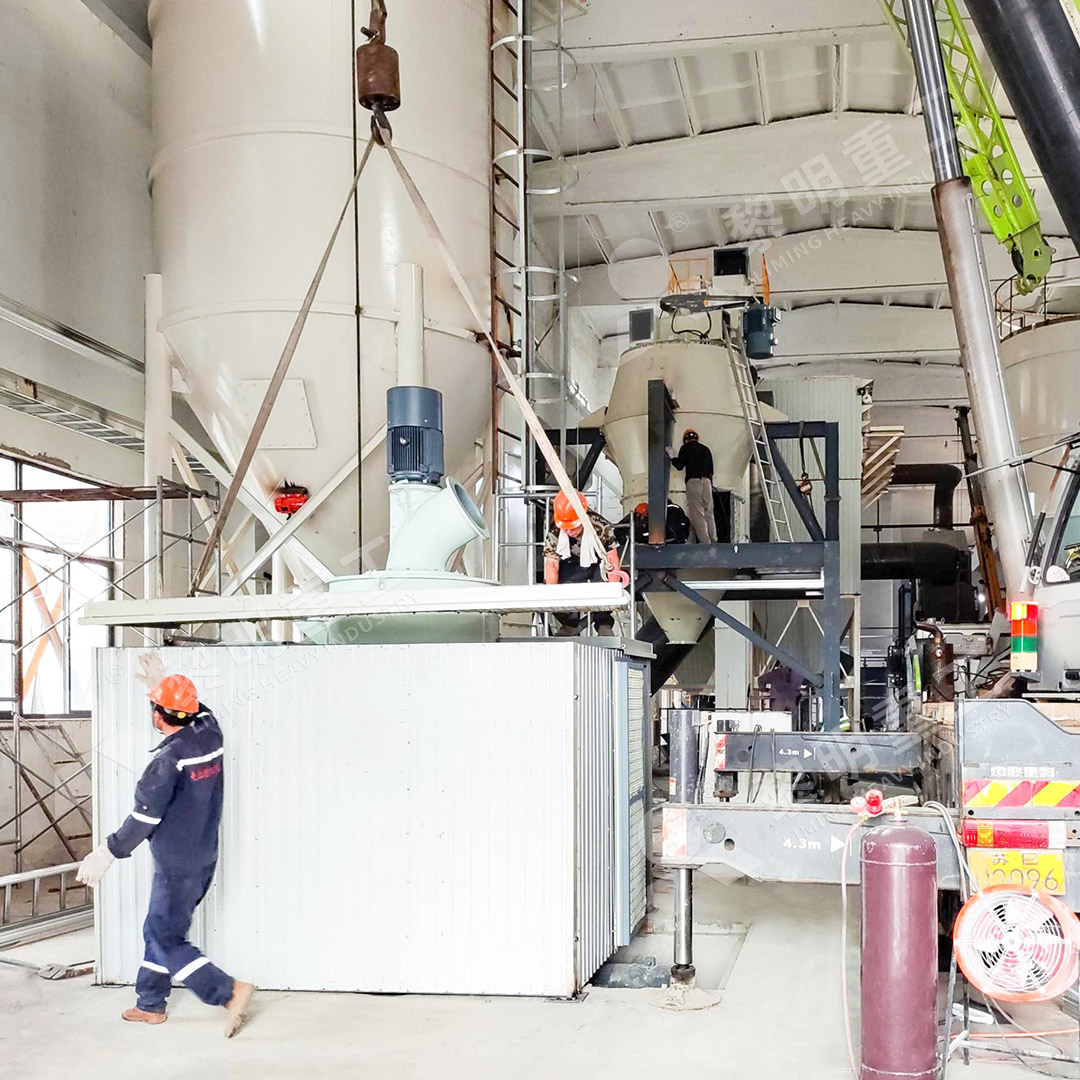
Furthermore, for operations seeking advanced technological integration, the LUM Ultrafine Vertical Grinding Mill represents the cutting edge. Handling an input size of 0-10 mm and offering 5-18 tph capacity, it incorporates the latest roller and powder separating technology from Germany and Taiwan. Its multi-head powder separating technology and reversible structure for easier maintenance directly address the two biggest operational cost drivers: energy use and downtime. It can reduce energy consumption by 30%-50% compared to conventional mills, a significant saving given current energy prices.
Future Outlook and Conclusion
The trajectory for grinding equipment prices is expected to remain stable with a slight upward bias, influenced by material and energy costs. However, the value delivered by newer, more efficient models will likely improve, offering faster return on investment through operational savings. The key for sodium feldspar processors is to look beyond the sticker price and invest in technology that guarantees lower operating costs, minimal maintenance, and high-quality output to remain competitive.
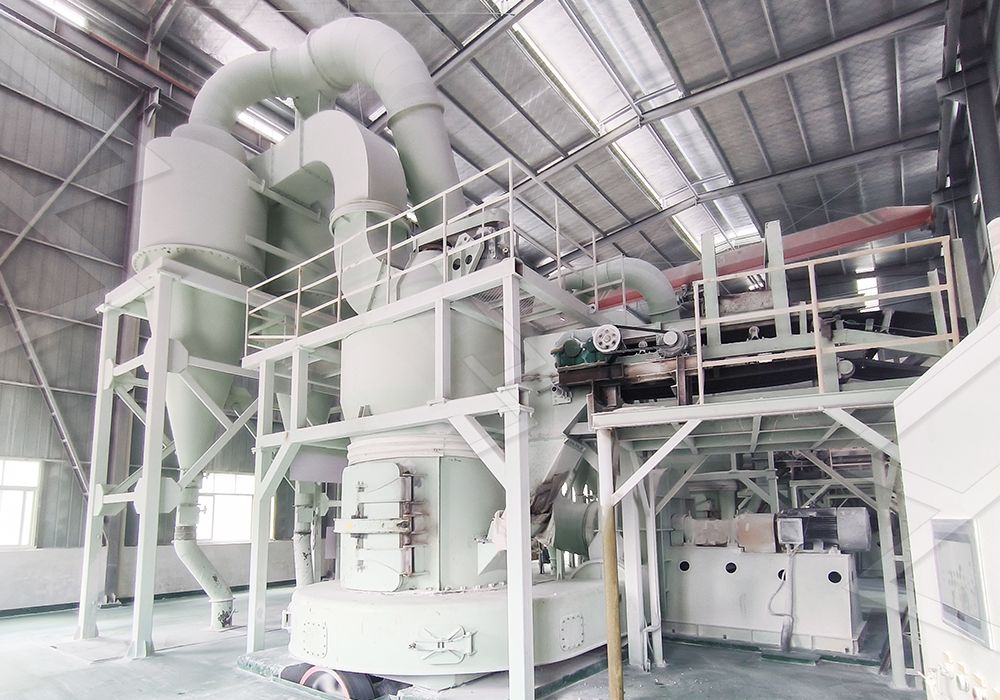
In conclusion, while market pressures affect equipment prices, the evolution towards energy-efficient, high-yield mills like our MW and LUM series provides a clear path to mitigating these costs and securing a profitable, sustainable operation for years to come.