
Ball Mill for Gypsum Powder Production Line: Key Features and Benefits
We provide a wide range of mills — including Raymond mill, trapezoidal mill, vertical mill, ultrafine mill, and ball mill, obtained ISO9001 international quality certification, EU CE certification, and Customs Union CU-TR certification. Suitable for processing minerals such as limestone, phosphate, quicklime, kaolin, talc, barite, bentonite, calcium carbonate, dolomite, coal, gypsum, clay, carbon black, slag, cement raw materials, cement clinker, and more.
The discharge range of these mills can be adjusted to meet specific processing needs, typically from 80-400 mesh, 600-3250 mesh, and can achieve the finest particle size of up to 6000 mesh(D50).
If you are looking for a reliable grinding solution to turn stone or minerals into fine powder, please feel free to contact our online customer service.
Ball Mill for Gypsum Powder Production Line: Key Features and Benefits
In the world of industrial mineral processing, gypsum powder production demands precision, efficiency, and reliability. While traditional ball mills have long been a staple in grinding operations, technological advancements have ushered in a new era of ultrafine grinding solutions that offer superior performance. For gypsum powder specifically, achieving the desired fineness and purity is paramount for applications in construction, agriculture, and various industrial sectors.
Why Gypsum Processing is Unique
Gypsum (CaSO₄·2H₂O) is a soft sulfate mineral that requires careful milling to preserve its chemical structure and achieve the necessary particle size distribution. Over-grinding can lead to excessive heat generation, potentially causing partial dehydration and compromising the final product’s quality. A well-designed milling system must therefore provide controlled, efficient grinding with minimal heat buildup.
Limitations of Traditional Ball Mills
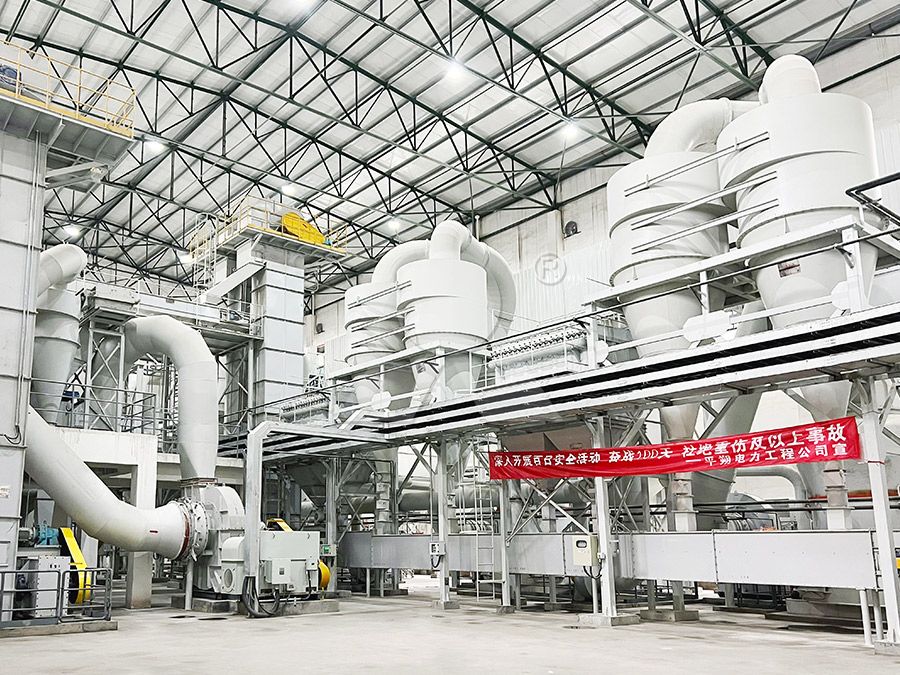
Conventional ball mills, while robust, often struggle with efficiency in modern high-output powder lines. They typically exhibit higher energy consumption per ton of product, significant wear on grinding media and liners, and can generate excessive noise and dust. Maintenance demands are also considerable, requiring regular shutdowns for liner and ball replacement, which disrupts continuous production flow.
The Modern Alternative: Ultrafine Grinding Technology
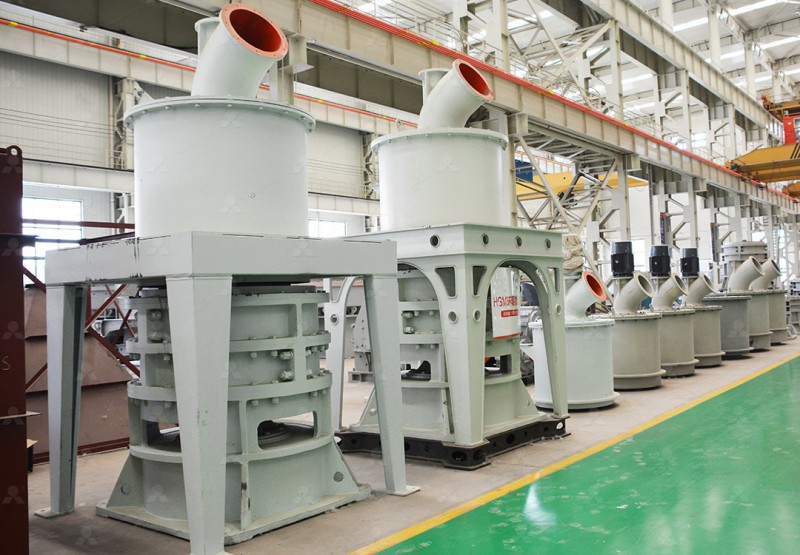
For operations seeking to upgrade their gypsum powder production, moving beyond traditional ball milling technology is key. Advanced mills like our MW Ultrafine Grinding Mill are engineered specifically for high-yield, ultra-fine powder production. With an input size of 0-20 mm and a capacity range of 0.5-25 tph, it’s perfectly suited for gypsum processing lines of various scales.
What sets the MW series apart is its innovative design that eliminates rolling bearings and screws within the grinding chamber. This virtually eliminates concerns about bearing failures or loose screws causing catastrophic damage – a common headache in traditional mills. Furthermore, its external lubrication system allows for maintenance without shutdowns, supporting true 24/7 operation that ball mills simply cannot match.
Environmental and Economic Advantages
Modern grinding systems must address environmental concerns while maintaining profitability. The MW Ultrafine Grinding Mill integrates an efficient pulse dust collector and muffler system, effectively containing dust and reducing noise pollution. This creates a cleaner, safer working environment while ensuring compliance with stringent environmental regulations.
From an economic perspective, the energy savings are substantial. The MW mill operates at approximately 30% of the energy consumption of jet mills and offers 40% higher production capacity compared to conventional grinding systems at the same fineness level. For gypsum producers, this translates to significantly lower operating costs and improved profitability.
Precision Particle Control
Gypsum applications often require specific particle size distributions. The MW mill’s German-designed cage-type powder selector enables precise fineness adjustment between 325-2500 meshes, with the ability to achieve d97≤5μm in a single pass. This level of control ensures consistent product quality that meets exact customer specifications.
For operations requiring even higher throughput with exceptional product quality, our LUM Ultrafine Vertical Grinding Mill presents another excellent option. With input size of 0-10 mm and capacity of 5-18 tph, it incorporates the latest Taiwanese grinding roller technology and German powder separating technology for exceptional performance in gypsum applications.
Making the Transition
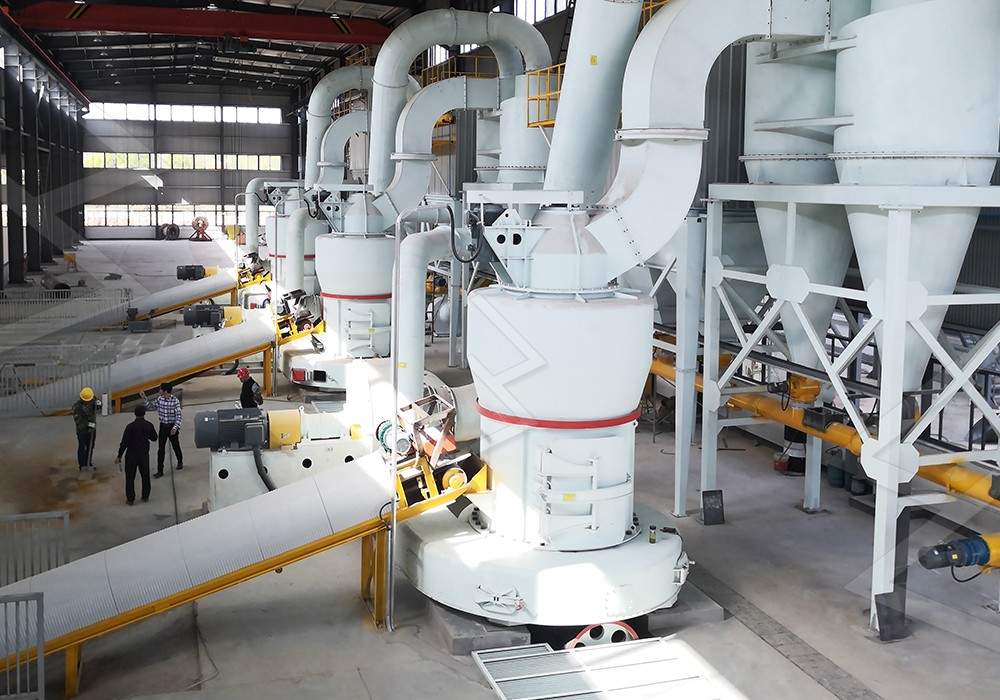
Upgrading from traditional ball mills to advanced grinding systems requires careful planning but delivers substantial returns. The modular design of modern mills like the MW series facilitates easier installation and integration into existing production lines. With comprehensive technical support and genuine spare parts availability, operations can transition smoothly to more advanced technology with minimal disruption.
For gypsum producers looking to enhance their product quality, reduce operating costs, and improve environmental performance, moving beyond conventional ball milling technology represents a strategic investment in future competitiveness. The advanced features of modern ultrafine grinding mills deliver the precision, efficiency, and reliability that today’s market demands.