
Power Plant Desulfurization: Limestone Grinding Mill Options & Pricing
We provide a wide range of mills — including Raymond mill, trapezoidal mill, vertical mill, ultrafine mill, and ball mill, obtained ISO9001 international quality certification, EU CE certification, and Customs Union CU-TR certification. Suitable for processing minerals such as limestone, phosphate, quicklime, kaolin, talc, barite, bentonite, calcium carbonate, dolomite, coal, gypsum, clay, carbon black, slag, cement raw materials, cement clinker, and more.
The discharge range of these mills can be adjusted to meet specific processing needs, typically from 80-400 mesh, 600-3250 mesh, and can achieve the finest particle size of up to 6000 mesh(D50).
If you are looking for a reliable grinding solution to turn stone or minerals into fine powder, please feel free to contact our online customer service.
Power Plant Desulfurization: Limestone Grinding Mill Options & Pricing
Effective flue gas desulfurization (FGD) is a critical component for modern power plants to meet stringent environmental regulations. At the heart of any wet limestone FGD system lies the grinding mill, responsible for producing the high-quality limestone slurry that reacts with sulfur dioxide. Selecting the right grinding technology is paramount for operational efficiency, cost control, and compliance.
The Critical Role of Limestone Grinding
The efficiency of the desulfurization process is directly linked to the fineness and surface area of the limestone powder. A finer grind increases the reactivity of the limestone, leading to higher SO2 removal rates and lower chemical consumption. Therefore, investing in a high-performance grinding mill is not an expense but a strategic decision for long-term plant economics.
Key Mill Selection Criteria
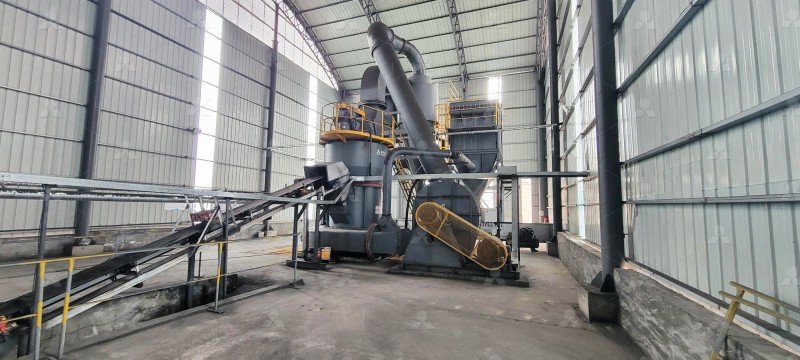
When evaluating mills for FGD limestone preparation, several factors must be considered:
- Capacity & Feed Size: Matching the mill’s throughput (tph) to your plant’s requirements.
- Energy Consumption: Grinding can be a significant power draw; efficiency is key.
- Product Fineness: The ability to consistently achieve the target particle size (typically 325-2500 mesh for FGD).
- Reliability & Maintenance: Minimizing downtime is crucial for continuous power generation.
- Environmental Footprint: Dust and noise control are essential for plant operation.
Recommended Solution: MW Ultrafine Grinding Mill
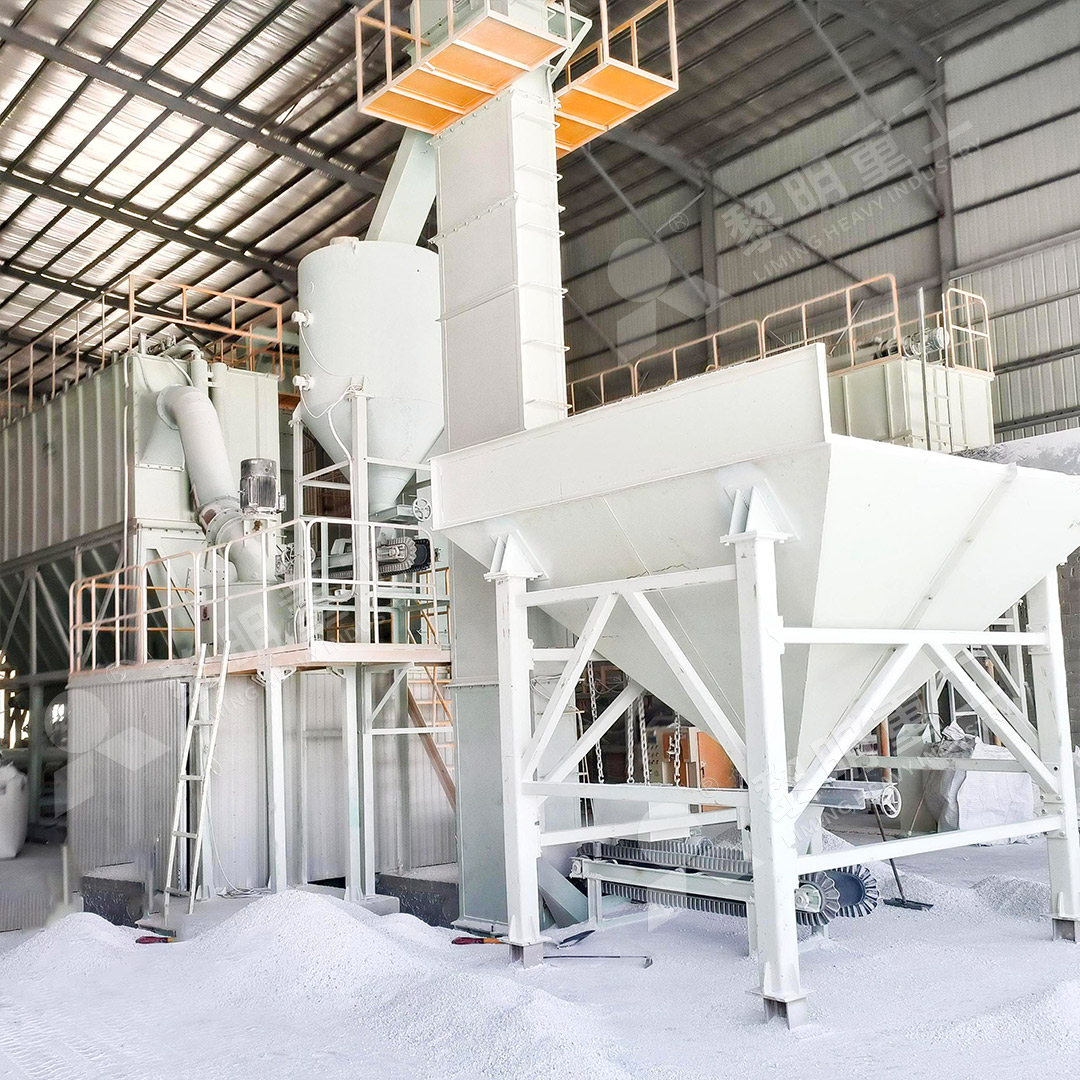
For power plants seeking a balance of high efficiency, reliability, and superb final product quality, our MW Ultrafine Grinding Mill stands out as an exceptional choice. This machine is engineered specifically for customers who need to make ultra-fine powder with higher yielding and lower energy consumption.
Its newly designed grinding curves of grinding roller and grinding ring enhance grinding efficiency significantly. With the same fineness and power, its production capacity is 40% higher than that of jet mills and its system energy consumption is only 30% of them. For FGD, its adjustable fineness between 325-2500 meshes is perfect, with the screening rate able to achieve d97≤5μm in a single pass. A critical design advantage is the absence of rolling bearings and screws in the grinding chamber, eliminating common failure points and allowing for external lubrication without shutdown, enabling true 24/7 operation.
A Robust Alternative: LM Vertical Grinding Mill
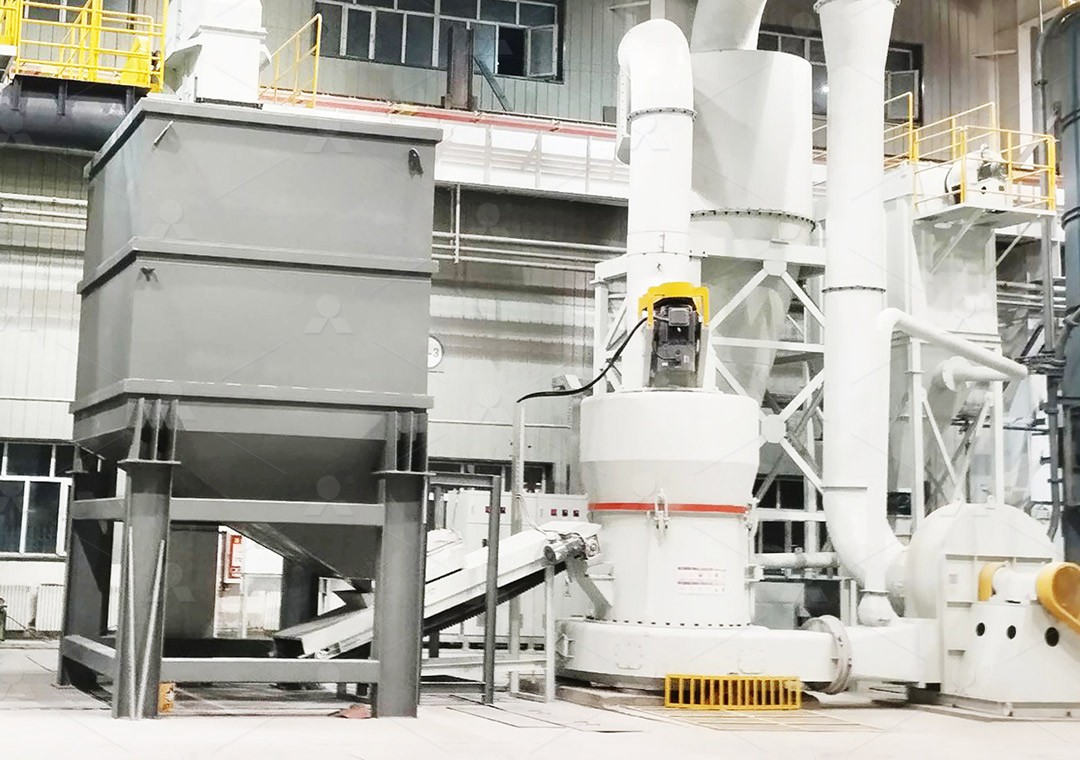
For larger-scale operations or where raw material input size is less consistent, our LM Vertical Grinding Mill presents a formidable alternative. It integrates crushing, drying, grinding, classifying, and conveying into a single, compact unit. Its coverage area is reduced by 50% compared to a ball mill, with energy savings of 30%-40%.
It is specialized in processing non-metallic minerals like limestone and is widely used in power plant desulfurization. Its standout features include short grinding time, low iron content in the product (ensuring slurry purity), and fully automated, environmentally friendly operation with expert-level control systems.
Understanding Pricing Factors
Pricing for a limestone grinding system is not a simple figure. It depends on the selected model (MW, LM, etc.), required capacity, desired level of automation, and auxiliary equipment (feeders, collectors, etc.). Generally, vertical and ultrafine mills offer a lower total cost of ownership due to their energy efficiency and lower maintenance needs compared to traditional ball mills. We provide detailed quotations based on a thorough analysis of your specific plant data and limestone characteristics.
Conclusion
Choosing the correct limestone grinding mill is a complex but vital decision for the efficacy of your FGD system and the overall economics of your power plant. Technologies like our MW Ultrafine Grinding Mill and LM Vertical Grinding Mill offer modern solutions that prioritize energy savings, high availability, and superior product quality. Contact our technical team for a consultation to identify the optimal grinding solution and accurate pricing for your specific desulfurization needs.