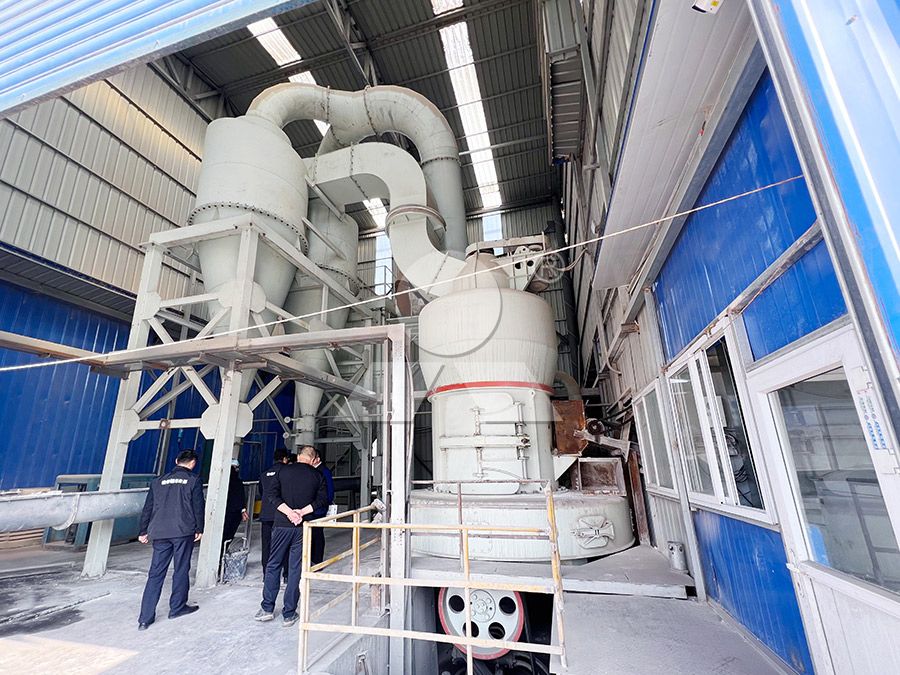
Best Wear-Resistant Materials for Grinding Mill Rollers
We provide a wide range of mills — including Raymond mill, trapezoidal mill, vertical mill, ultrafine mill, and ball mill, obtained ISO9001 international quality certification, EU CE certification, and Customs Union CU-TR certification. Suitable for processing minerals such as limestone, phosphate, quicklime, kaolin, talc, barite, bentonite, calcium carbonate, dolomite, coal, gypsum, clay, carbon black, slag, cement raw materials, cement clinker, and more.
The discharge range of these mills can be adjusted to meet specific processing needs, typically from 80-400 mesh, 600-3250 mesh, and can achieve the finest particle size of up to 6000 mesh(D50).
If you are looking for a reliable grinding solution to turn stone or minerals into fine powder, please feel free to contact our online customer service.
Best Wear-Resistant Materials for Grinding Mill Rollers
In the demanding world of industrial milling, the longevity and efficiency of your equipment are paramount. The heart of any grinding operation lies in its rollers and the materials they’re made from. Choosing the right wear-resistant material isn’t just about durability; it’s about maximizing uptime, reducing maintenance costs, and ensuring consistent product quality. Let’s dive into the key considerations and some of the best options available.
Why Wear Resistance is Non-Negotiable
Grinding mill rollers are subjected to extreme abrasion, impact, and pressure. The constant friction against raw materials like limestone, calcite, and dolomite quickly wears down components made from standard steels. This wear leads to:
- Frequent downtime for replacements and maintenance.
- Inconsistent product fineness as roller profiles change.
- Increased energy consumption as the mill works harder to achieve the same grind.
- Higher operational costs from constantly buying spare parts.
Investing in superior wear-resistant materials from the start is the most effective strategy for long-term profitability.
Key Features of High-Performance Wear Materials
The best materials for grinding mill rollers aren’t just hard; they offer a combination of properties:
- High Hardness: To resist abrasion from tough minerals.
- Impact Toughness: To withstand the constant pounding without cracking.
- Microstructural Stability: To maintain performance at high operating temperatures.
- Manufacturing Precision: Advanced digital processing ensures perfect geometry for optimal grinding efficiency.
A Standout Solution: MW Ultrafine Grinding Mill
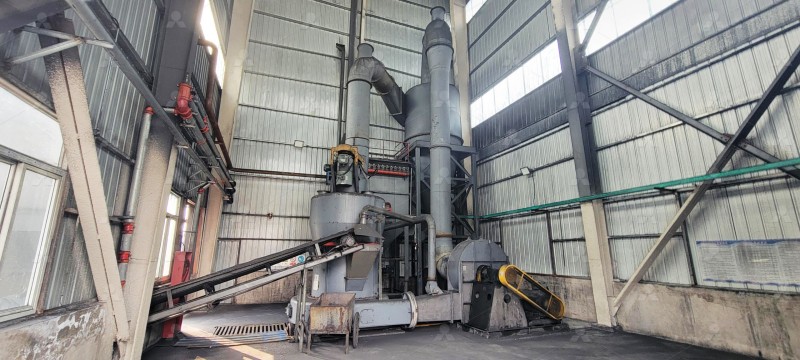
When discussing wear resistance, it’s impossible to ignore the engineering behind the rollers themselves. A prime example is our MW Ultrafine Grinding Mill. This machine is a testament to how design and material science work in tandem.
The MW series is engineered for customers who need to make ultra-fine powder (325-2500 meshes) from materials like limestone, calcite, and dolomite. Its rollers and rings are crafted from proprietary wear-resistant alloys, developed in-house to withstand the rigors of continuous operation. A key design advantage is the absence of rolling bearings and screws inside the grinding chamber. This brilliant feature eliminates common failure points, freeing users from worries about bearing seizures or damage from loose screws—a major cause of unplanned shutdowns in lesser mills.
Furthermore, its cage-type powder selector, based on German technology, ensures precise separation, reducing recirculation and unnecessary wear on components. With a capacity of 0.5-25 tph and energy consumption up to 40% lower than jet mills, the MW series doesn’t just resist wear; it redefines efficiency.
Another Top Contender: LUM Ultrafine Vertical Grinding Mill
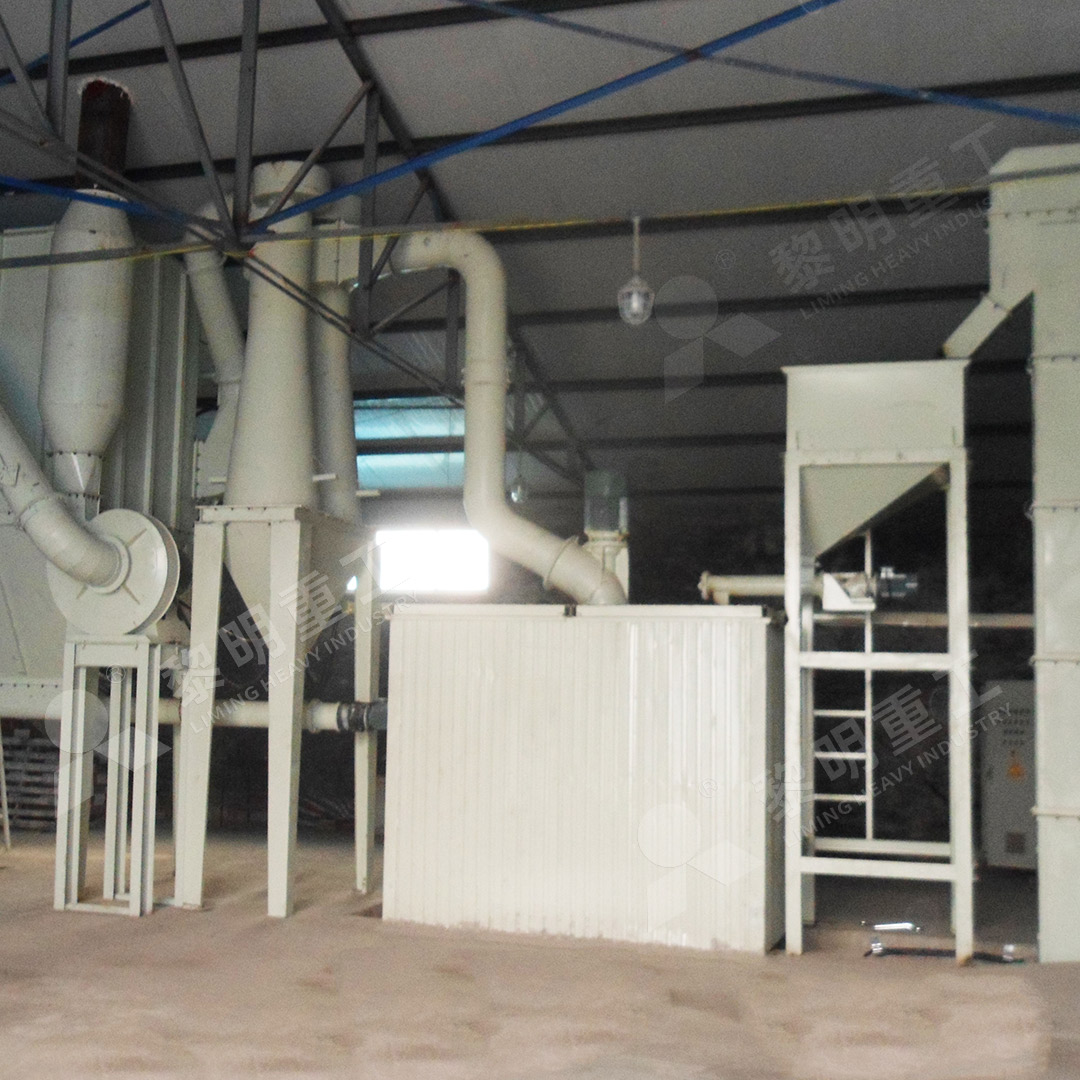
For operations requiring even more advanced technology, the LUM Ultrafine Vertical Grinding Mill is a powerhouse. It integrates the latest Taiwanese grinding roller technology with German powder separation. Its rollers feature a uniquely designed shell and lining plate grinding curve that is easier to generate a material layer, promoting efficient grinding and reducing direct metal-on-metal contact.
A revolutionary feature is its double position-limiting technology. This system uses electronic and mechanical limits to prevent the destructive impact of the grinding roller smashing into the millstone during unexpected vibration, drastically enhancing operational stability and protecting the wear parts from catastrophic damage. Its reversible structure also allows for easy maintenance, meaning worn roller shells can be checked and replaced quickly, minimizing costly downtime.
Conclusion: Invest in Engineering, Not Just Metal
The best wear-resistant material is only part of the equation. True durability comes from a holistic design that anticipates failure points and engineers them out. It’s about choosing a mill, like the MW or LUM series, where the rollers are not only made from advanced alloys but are part of a system designed for resilience, easy maintenance, and peak efficiency. By partnering with a manufacturer that controls production from raw material to finished machine, you ensure a supply of original, perfectly fitted spare parts, guaranteeing worry-free operation for years to come.