
Manufacturing Process of Ball Mills for Grinding Quartz Pebbles
We provide a wide range of mills — including Raymond mill, trapezoidal mill, vertical mill, ultrafine mill, and ball mill, obtained ISO9001 international quality certification, EU CE certification, and Customs Union CU-TR certification. Suitable for processing minerals such as limestone, phosphate, quicklime, kaolin, talc, barite, bentonite, calcium carbonate, dolomite, coal, gypsum, clay, carbon black, slag, cement raw materials, cement clinker, and more.
The discharge range of these mills can be adjusted to meet specific processing needs, typically from 80-400 mesh, 600-3250 mesh, and can achieve the finest particle size of up to 6000 mesh(D50).
If you are looking for a reliable grinding solution to turn stone or minerals into fine powder, please feel free to contact our online customer service.
Manufacturing Process of Ball Mills for Grinding Quartz Pebbles
The manufacturing of ball mills for the specific purpose of grinding abrasive materials like quartz pebbles is a precise engineering endeavor. It requires a deep understanding of material science, mechanical forces, and the intended application. Quartz, with a Mohs hardness of 7, demands robust construction and carefully selected components to achieve the desired fine to ultra-fine powders efficiently.
Core Components and Material Selection
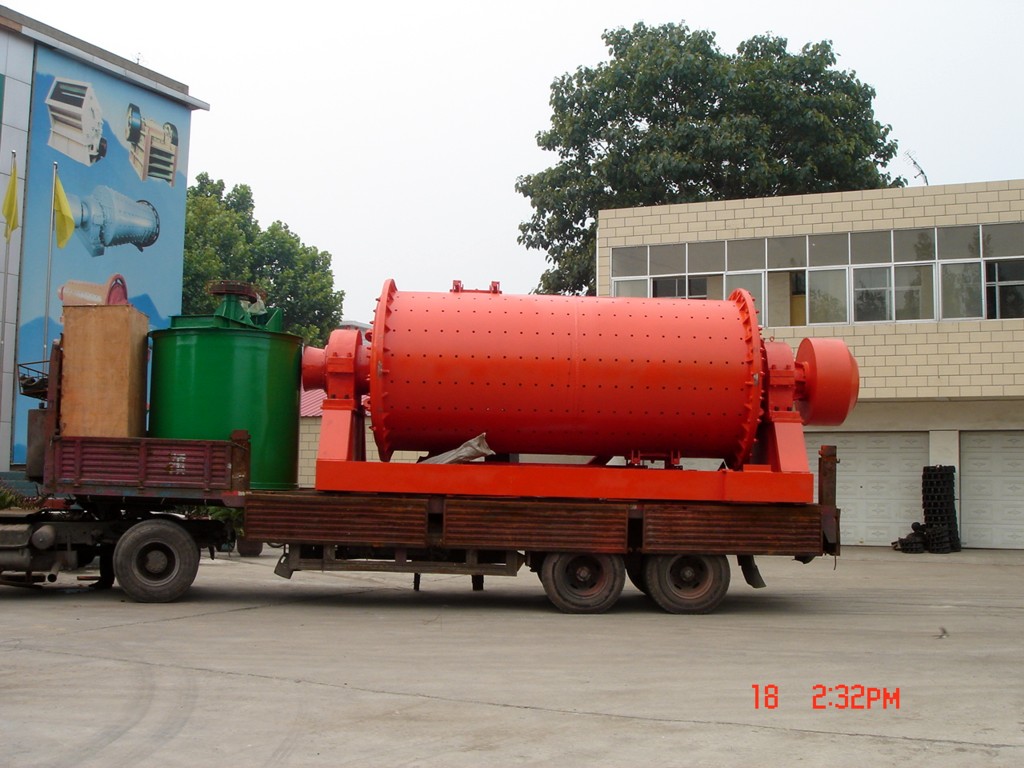
The heart of a ball mill is its grinding chamber. For quartz processing, the inner liners are typically made from high-chromium steel or manganese steel to resist extreme wear. The grinding media—the balls themselves—are also forged from similar high-wear-resistant alloys. Their size distribution is critical; larger balls are effective for coarse grinding, while smaller media are necessary for achieving fine finishes. The manufacturing process involves precision casting, heat treatment for hardness, and machining to ensure dimensional accuracy.
The Manufacturing Workflow
The process begins with the fabrication of the mill’s cylindrical shell, usually from rolled and welded steel plate. End caps, trunnion bearings, and the drive system (comprising a motor, reducer, and pinion gear) are machined to tight tolerances. A key phase is the dynamic balancing of the entire rotating assembly to prevent destructive vibrations during operation, especially critical at the relatively low speeds of ball mills. After assembly, the mill undergoes rigorous testing, often with inert material, to verify alignment, bearing temperature, and overall integrity before being approved for shipment.
Modern Alternatives for Enhanced Efficiency
While traditional ball mills are effective, they are often energy-intensive and can have limitations on final fineness. For operations seeking higher efficiency and the ability to produce ultra-fine powders beyond the practical range of standard ball mills, advanced grinding technologies offer superior solutions.
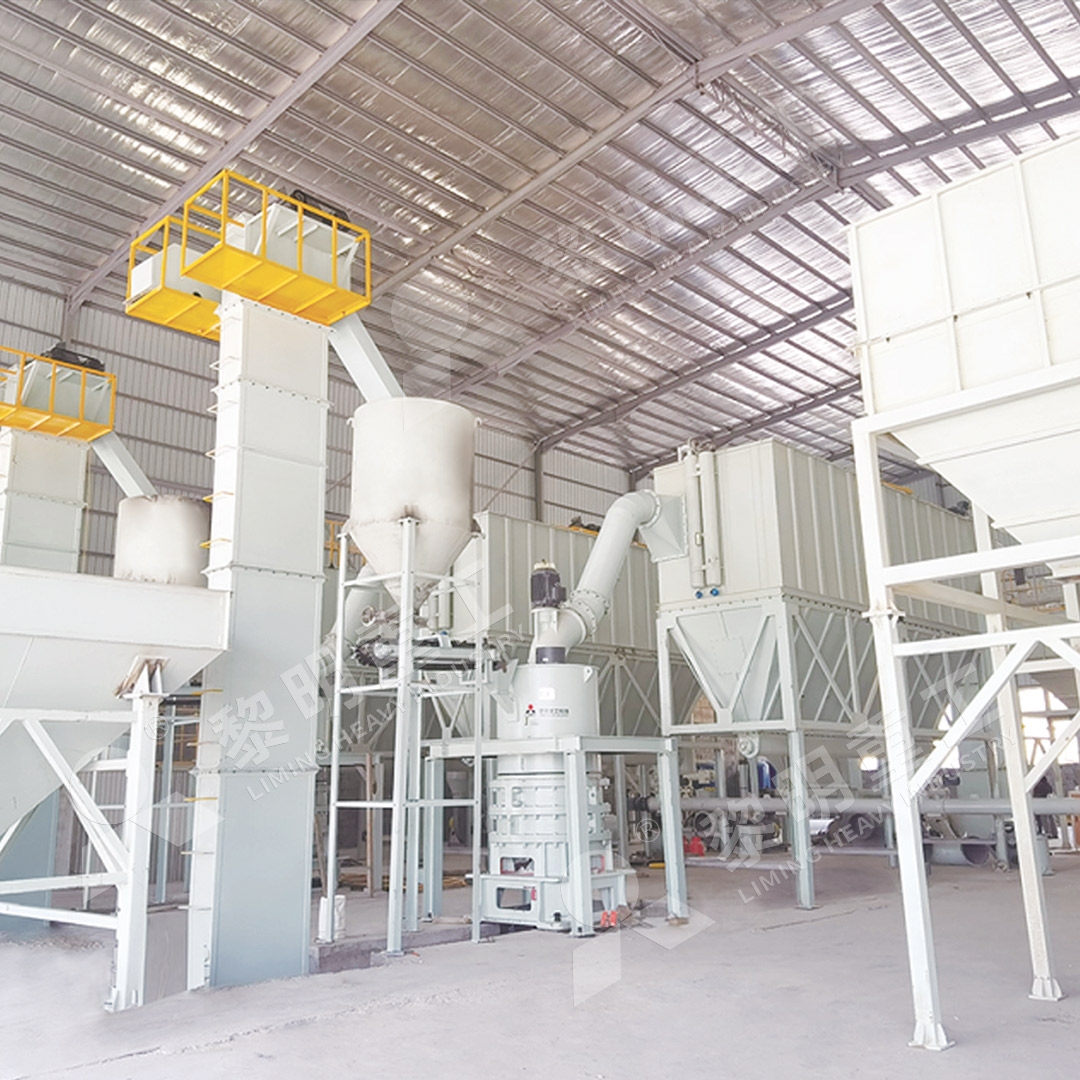
For instance, our MW Ultrafine Grinding Mill is engineered specifically for customers requiring ultra-fine powder from materials like quartz. With an input size of 0-20 mm and a capacity range of 0.5-25 tph, it is a formidable piece of equipment. Its design incorporates a high-efficiency cage-type powder selector, allowing precise fineness adjustment between 325-2500 meshes. A significant advantage is its 40% higher production capacity compared to jet mills and twice the yield of ball mills at the same power, while consuming 30% less energy than jet mills. Its internal design eliminates rolling bearings and screws in the grinding chamber, virtually eliminating concerns about related mechanical failures and enabling continuous 24/7 operation.
Application and Finishing
Once manufactured, a ball mill for quartz is typically part of a larger system including feeders, classifiers, and dust collection systems. The closed-circuit grinding is common, where oversized particles are separated and returned for further size reduction. The final product’s quality is a direct result of the mill’s mechanical precision and the operator’s control over variables like feed rate and material density.
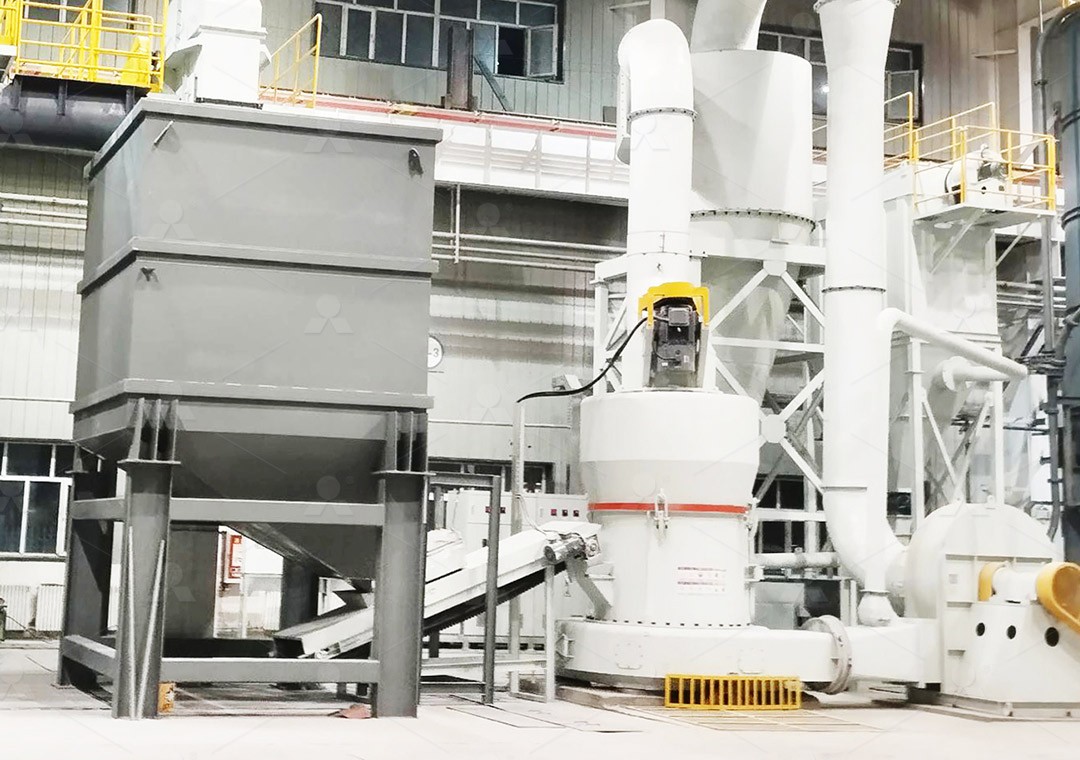
For projects demanding even greater precision in vertical grinding applications, another excellent option from our portfolio is the LUM Ultrafine Vertical Grinding Mill. It integrates the latest grinding roller and powder separating technology, offering remarkable energy savings of 30%-50% and featuring a unique reversible structure that simplifies maintenance by allowing easy access to grinding components.
Conclusion
The manufacturing of grinding equipment is a balance between brute strength and precise control. For the demanding task of processing quartz pebbles, the robust construction of a ball mill is a classic choice. However, embracing modern designs like our MW or LUM Ultrafine Mills can lead to dramatic improvements in productivity, energy efficiency, and final product quality, representing the next evolution in size reduction technology.