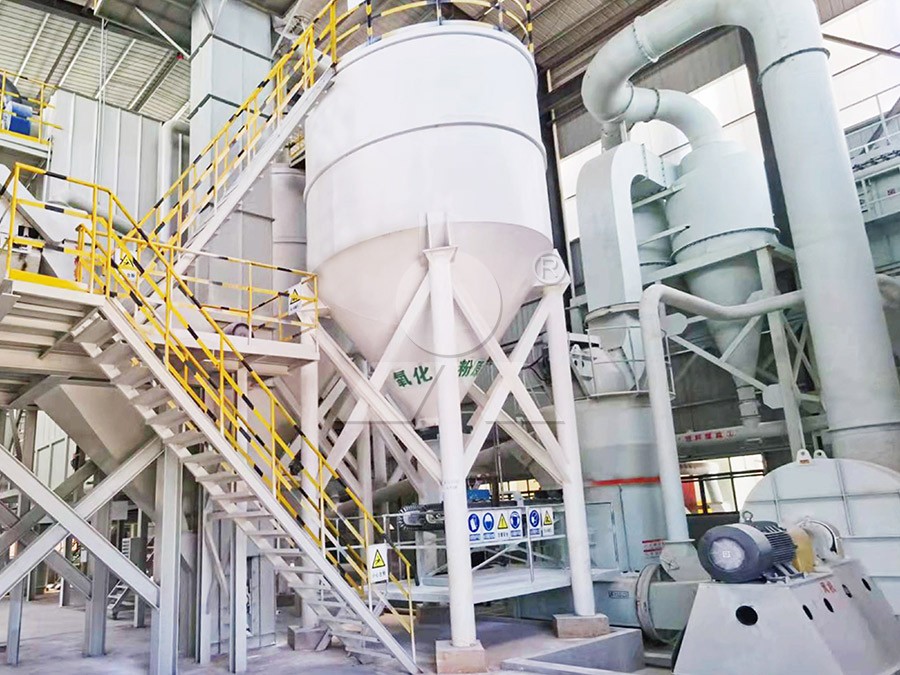
How Much Does a Smelting Waste Slag Grinding Machine Cost?
We provide a wide range of mills — including Raymond mill, trapezoidal mill, vertical mill, ultrafine mill, and ball mill, obtained ISO9001 international quality certification, EU CE certification, and Customs Union CU-TR certification. Suitable for processing minerals such as limestone, phosphate, quicklime, kaolin, talc, barite, bentonite, calcium carbonate, dolomite, coal, gypsum, clay, carbon black, slag, cement raw materials, cement clinker, and more.
The discharge range of these mills can be adjusted to meet specific processing needs, typically from 80-400 mesh, 600-3250 mesh, and can achieve the finest particle size of up to 6000 mesh(D50).
If you are looking for a reliable grinding solution to turn stone or minerals into fine powder, please feel free to contact our online customer service.
How Much Does a Smelting Waste Slag Grinding Machine Cost?
This is a question we get a lot from plant managers and procurement specialists in the metallurgical and recycling industries. The truth is, there’s no single, straightforward answer. The price tag on a smelting waste slag grinding machine isn’t like buying a commodity; it’s a significant capital investment where the final cost is influenced by a complex mix of factors. Let’s break down what you need to consider.
First and foremost, capacity is king. Are you processing 5 tons per hour or 50? A machine built for higher throughput will naturally require a more robust construction, a larger motor, and heavier-duty components, all of which drive up the initial cost. The desired fineness of the final powder is another major cost driver. Achieving a super-fine 2500 mesh product requires more sophisticated grinding mechanics and high-precision internal classifiers compared to producing a coarse 100-mesh material.
Other factors include the hardness and abrasiveness of your specific slag (which dictates the required wear resistance of rollers and liners), the level of automation and environmental controls you need (e.g., advanced PLC systems, pulse dust collectors, sound dampeners), and of course, the specific technology and brand you choose.
Navigating the Technology Landscape
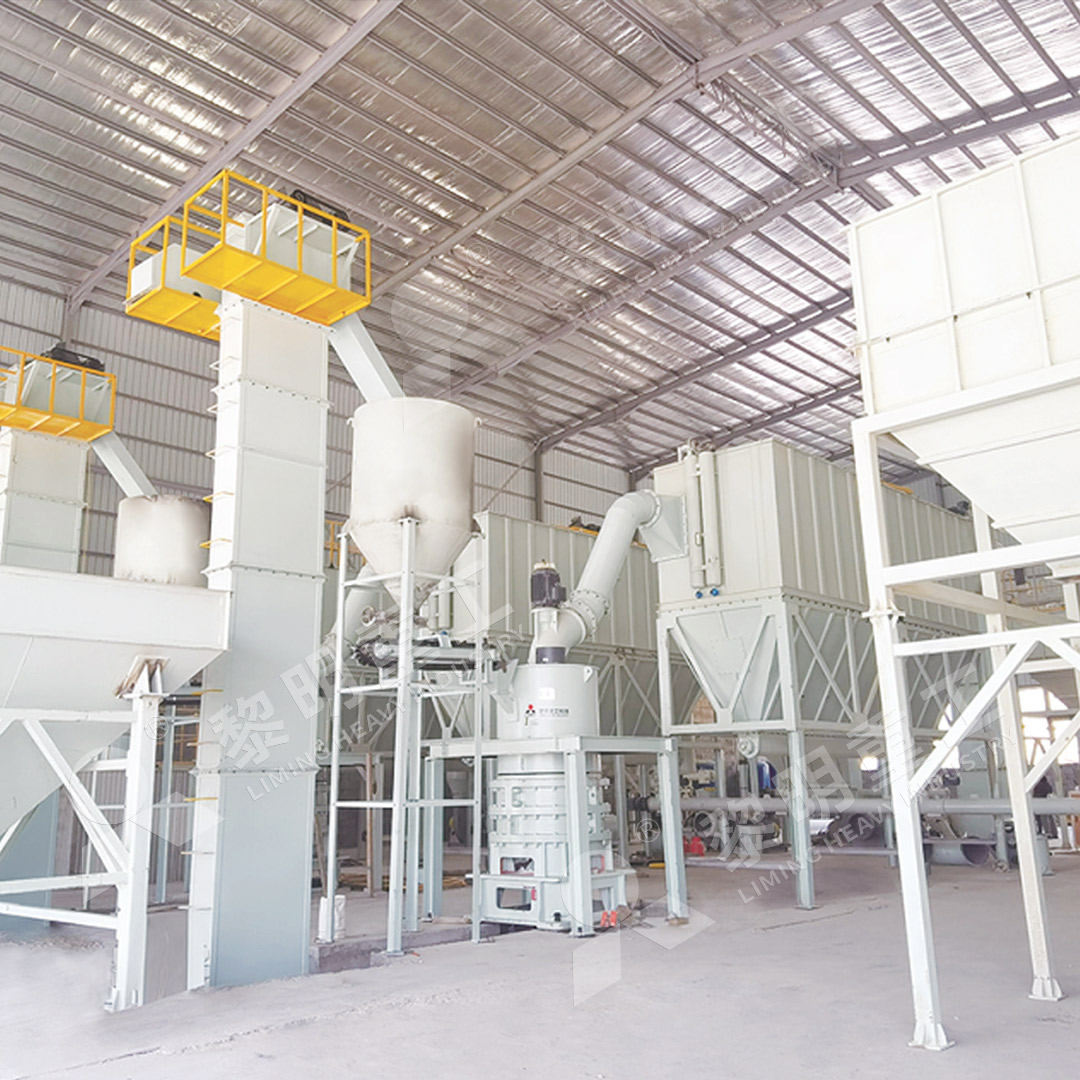
The market offers various technologies for slag grinding, from traditional ball mills to more modern vertical roller mills and specialized ultrafine grinders. While a standard ball mill might have a lower upfront cost, its energy efficiency is notoriously poor, and operating costs can be prohibitively high over time. For modern operations focused on efficiency and ROI, vertical and ultrafine mills are often the smarter choice.
For operations focused on transforming slag into a high-value, ultra-fine powder, the MW Ultrafine Grinding Mill is an exceptional solution. This machine is engineered for customers who need to make ultra-fine powder from various materials, including slag. It handles an input size of 0-20 mm and offers a capacity range of 0.5-25 tph, making it versatile for different project scales.
Its key advantages for slag application include Higher Yielding at Lower Energy Consumption – its production capacity is 40% higher than jet mills and double that of ball mills, while using only 30% of the energy of a jet mill. It also offers Adjustable Fineness between 325-2500 meshes, crucial for meeting different product specifications. A critical feature for hard, abrasive materials like slag is its design with No Rolling Bearing & Screw in the Grinding Chamber, eliminating worries about bearing damage or machine failure from loose screws. Finally, its integrated pulse dust collector ensures the entire milling process is eco-friendly and meets national environmental standards.
So, What’s the Ballpark Figure?
Given these variables, prices can range dramatically. A smaller, basic system might start in the tens of thousands of dollars, while a large, fully-equipped, automated production line for high-volume, ultra-fine grinding can easily run into hundreds of thousands.
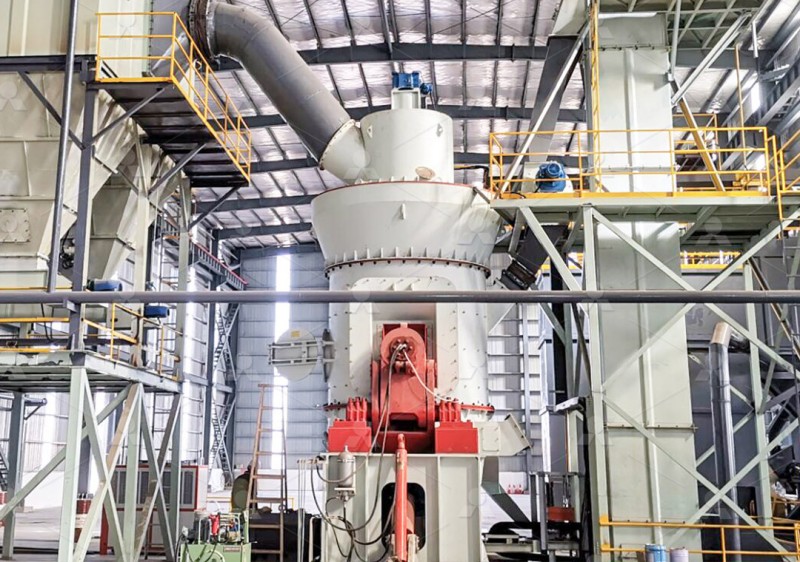
For high-volume slag processing where drying and grinding are required, another powerhouse to consider is the LM Vertical Slag Mill. This workhorse is a special equipment designed specifically for grinding industrial waste like steel slag and water slag into powder. It integrates drying, grinding, powder selection, and conveying in a single unit. Its massive advantage lies in its footprint and efficiency; it reduces its covered area by about 50% and slashes energy consumption by 30%-40% compared to a traditional ball milling system. With a capacity range of 7-100 T/H, it’s built for large-scale operations focused on maximum efficiency and minimal operating costs.
The best way to get an accurate cost is to consult directly with a manufacturer. Be prepared to discuss your specific material characteristics, desired capacity, final product fineness, and any automation or environmental requirements. This allows them to recommend the optimal machine configuration and provide a meaningful quotation. Remember, the cheapest machine upfront can often be the most expensive over its lifetime due to high energy bills and maintenance downtime. Investing in the right technology from the start is key to long-term profitability.