
Average Net Mill Value of Cement in 2013: Key Industry Data and Analysis
We provide a wide range of mills — including Raymond mill, trapezoidal mill, vertical mill, ultrafine mill, and ball mill, obtained ISO9001 international quality certification, EU CE certification, and Customs Union CU-TR certification. Suitable for processing minerals such as limestone, phosphate, quicklime, kaolin, talc, barite, bentonite, calcium carbonate, dolomite, coal, gypsum, clay, carbon black, slag, cement raw materials, cement clinker, and more.
The discharge range of these mills can be adjusted to meet specific processing needs, typically from 80-400 mesh, 600-3250 mesh, and can achieve the finest particle size of up to 6000 mesh(D50).
If you are looking for a reliable grinding solution to turn stone or minerals into fine powder, please feel free to contact our online customer service.
Average Net Mill Value of Cement in 2013: Key Industry Data and Analysis
The year 2013 was a pivotal one for the global cement industry, marked by a complex interplay of economic recovery, evolving environmental regulations, and technological advancement. The Average Net Mill Value (ANMV)—a critical metric representing the revenue per ton of cement produced at the mill, minus direct production costs—became a key indicator of operational efficiency and profitability. This analysis delves into the factors that influenced this value and the strategic responses adopted by leading producers.
Economic and Operational Landscape in 2013
Following the global financial crisis, 2013 saw a slow but steady rebound in construction activity, particularly in emerging economies. Demand for cement grew, but intense competition and high energy costs kept profit margins under significant pressure. The ANMV across the industry reflected this squeeze, with efficient operations becoming the primary differentiator between profitable and struggling mills. Key cost drivers included:
- Energy Consumption: Grinding operations alone can account for over 40% of a plant’s electrical energy use.
- Maintenance Downtime: Unplanned shutdowns for repairs severely impacted output and, consequently, the net value.
- Production Yield: Achieving a higher yield of saleable product from raw materials directly boosted the bottom line.
The Technological Shift: Efficiency as a Profit Center
In response to these pressures, forward-thinking companies pivoted towards advanced grinding technology. The focus shifted from mere capacity to grinding efficiency, reliability, and environmental compliance. Mills that invested in modern equipment could produce a finer, more consistent product with lower energy expenditure and less waste, directly improving their ANMV.
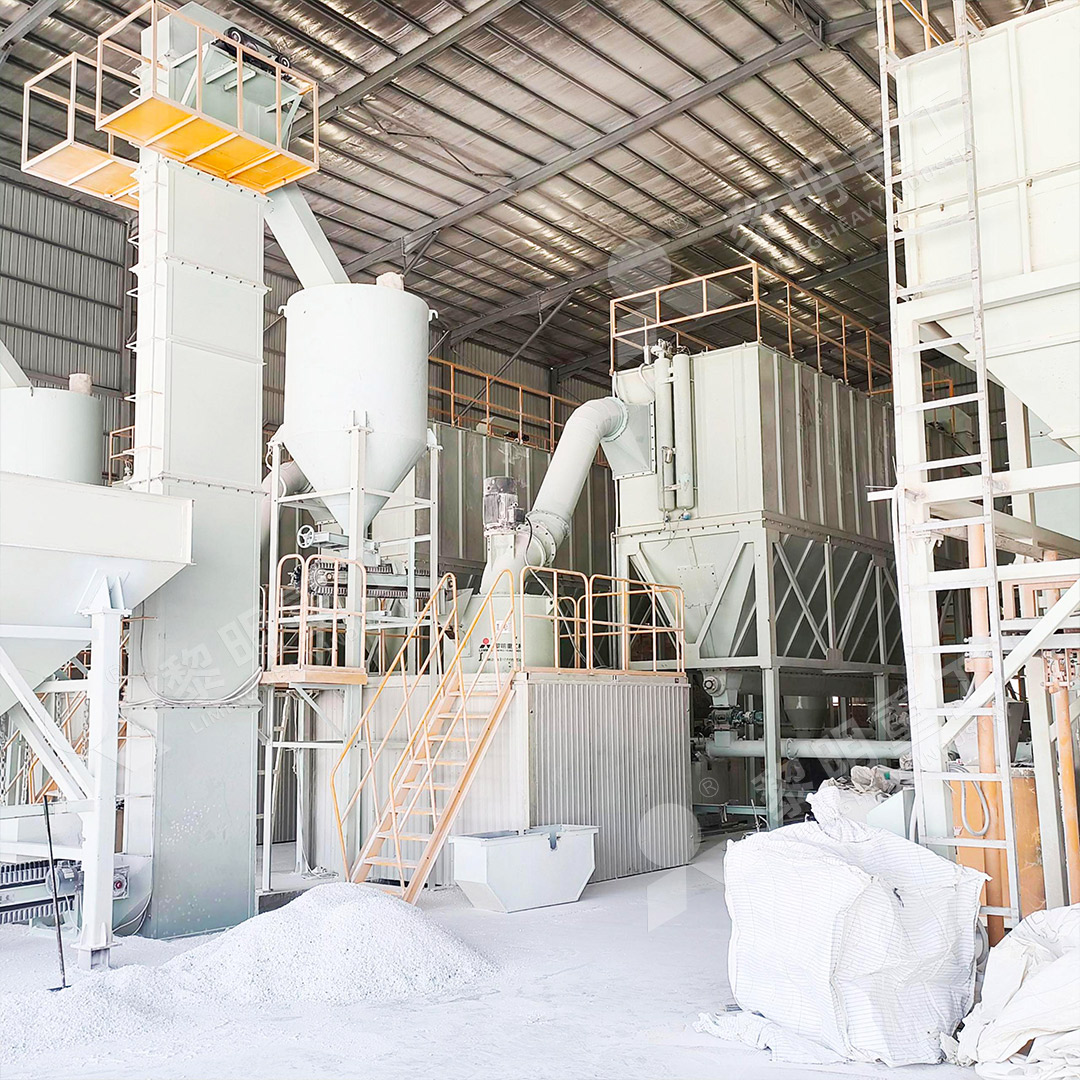
This is where innovative solutions like our MW Ultrafine Grinding Mill demonstrated immense value. Designed for customers requiring ultra-fine powder, this machine is a game-changer. With an input size of 0-20 mm and a capacity range of 0.5-25 tph, it is remarkably versatile. Its design incorporates an efficient pulse dust collector and muffler, drastically reducing dust and noise pollution, ensuring the entire production process meets stringent environmental standards. For operations grinding materials like limestone, calcite, or barite for applications in chemicals, paints, or cosmetics, the MW Mill offers higher yielding at lower energy consumption—a direct boost to any operation’s Net Mill Value.
Beyond 2013: Lessons for the Future
The data from 2013 underscores a permanent truth in cement and mineral processing: operational excellence is inextricably linked to technological adoption. The pursuit of a higher ANMV is not just about cost-cutting; it’s about smart investment in equipment that delivers superior performance, longevity, and environmental sustainability.
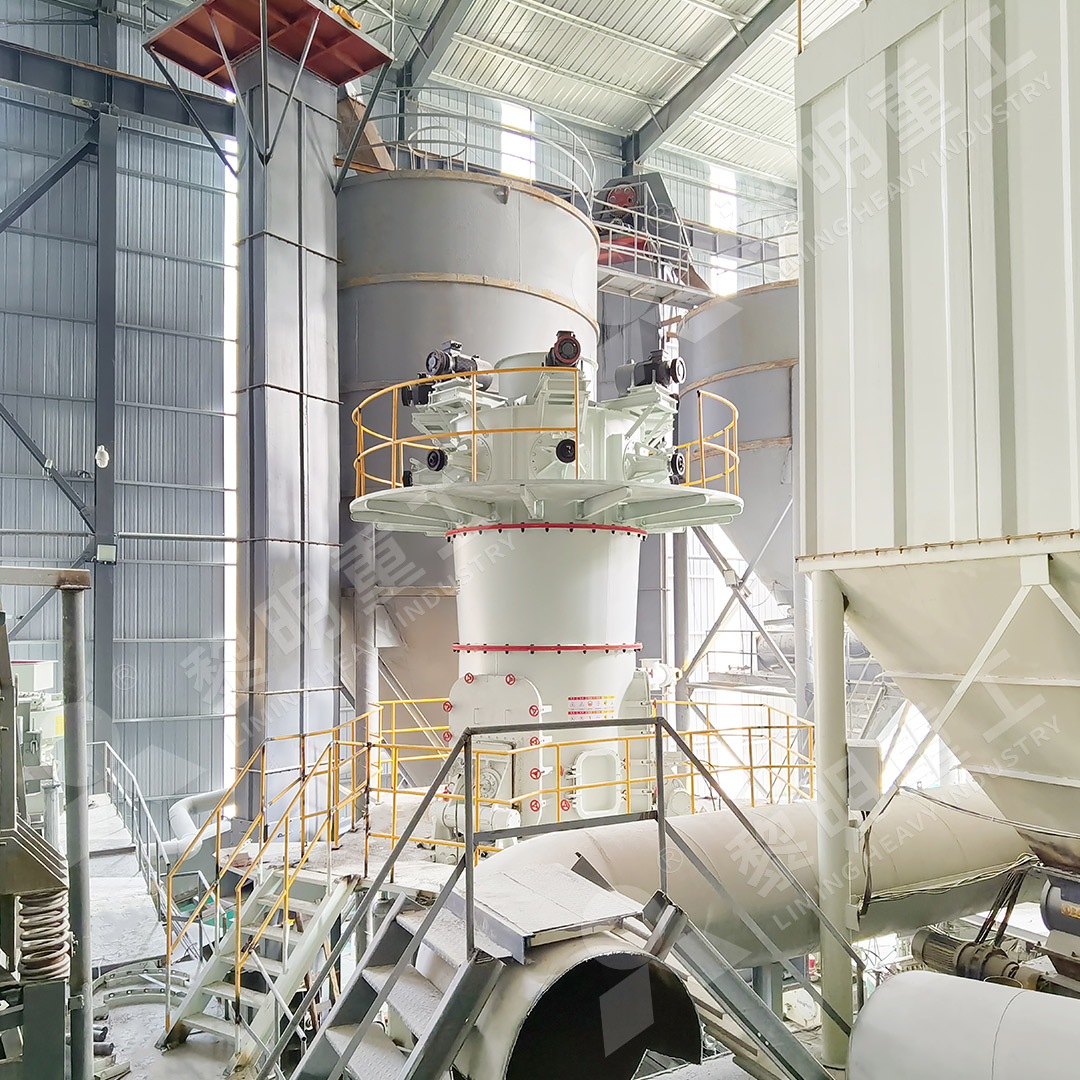
Another standout product that embodies this principle is the LUM Ultrafine Vertical Grinding Mill. Independently designed with the latest grinding roller and powder separating technology, it integrates grinding, grading, and transporting into one efficient system. With an input size of 0-10 mm and capacity of 5-18 tph, its more energy-saving multi-head powder separating technology and reversible structure for easier maintenance make it an ideal choice for operations focused on maximizing their net output value while minimizing downtime and energy overhead.
Conclusion
The analysis of the Average Net Mill Value in 2013 reveals an industry at a crossroads. Profitability was no longer guaranteed by demand alone but was increasingly dictated by internal efficiencies. The legacy of that year is the clear demonstration that investing in advanced, reliable, and efficient grinding technology is not an expense but a strategic imperative for improving the bottom line and ensuring long-term competitiveness.