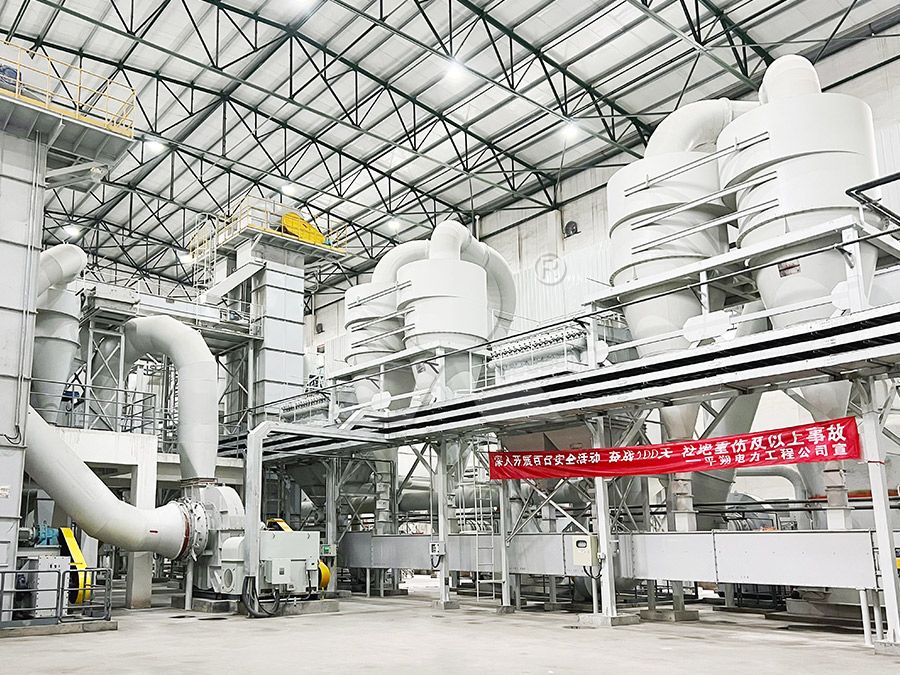
How to Choose a Slag Vertical Mill for 300,000 Tons Annual Production
We provide a wide range of mills — including Raymond mill, trapezoidal mill, vertical mill, ultrafine mill, and ball mill, obtained ISO9001 international quality certification, EU CE certification, and Customs Union CU-TR certification. Suitable for processing minerals such as limestone, phosphate, quicklime, kaolin, talc, barite, bentonite, calcium carbonate, dolomite, coal, gypsum, clay, carbon black, slag, cement raw materials, cement clinker, and more.
The discharge range of these mills can be adjusted to meet specific processing needs, typically from 80-400 mesh, 600-3250 mesh, and can achieve the finest particle size of up to 6000 mesh(D50).
If you are looking for a reliable grinding solution to turn stone or minerals into fine powder, please feel free to contact our online customer service.
How to Choose a Slag Vertical Mill for 300,000 Tons Annual Production
Selecting the right vertical mill for slag grinding is a critical decision that impacts operational efficiency, product quality, and overall profitability. For an annual production target of 300,000 tons, the choice becomes even more strategic. This article will guide you through the key considerations and recommend a robust solution from our product portfolio.
Key Selection Criteria
When evaluating a vertical mill for slag, several factors must be prioritized:
- Capacity & Throughput: The mill must reliably handle the required hourly and annual tonnage. For 300,000 tons per year, a consistent and high-capacity machine is non-negotiable.
- Energy Efficiency: Grinding is an energy-intensive process. Opting for a mill with lower specific energy consumption (kWh/t) drastically reduces operating costs.
- Product Fineness & Quality: The mill must produce slag powder with the desired fineness (often around 400-450 m²/kg Blaine for cement applications) and consistent quality.
- Reliability & Maintenance: Downtime is expensive. A design with easy maintenance access, durable wear parts, and stable operation is essential for maximizing uptime.
- Integrated Drying: Slag often contains moisture. A mill that can simultaneously dry and grind using waste heat from a cement kiln or other sources offers significant advantages.
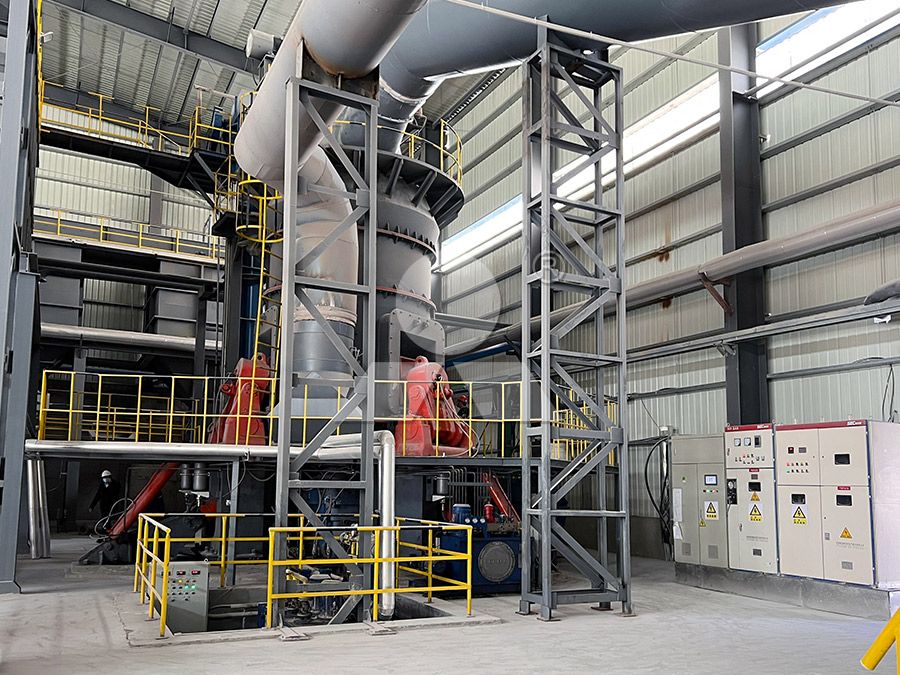
Our Recommended Solution: LM Vertical Slag Mill
Based on your production target and the criteria above, our LM Vertical Slag Mill stands out as the premier choice. It is specifically engineered for industrial waste like granulated blast furnace slag, integrating drying, grinding, powder selection, and conveying into a single, highly efficient unit.
Why the LM Vertical Slag Mill for 300,000 Tons?
- High Capacity: With a capacity range of 7-100 T/H, it is perfectly scaled to meet and exceed your annual production goal with room for operational flexibility.
- Superior Energy Savings: Its energy consumption is 30% ~ 40% lower than that of a traditional ball mill system, representing massive cost savings over its lifecycle.
- Excellent Product Quality: It produces powder with uniform fineness and high screening rate, ideal for producing high-quality slag cement.
- Proven Reliability: The design features like a hydraulic system for easy roller maintenance and high-performance wear-resistant materials ensure long intervals between shutdowns.
- Compact Footprint: Its vertical structure reduces the covered area by approximately 50% compared to ball milling systems, lowering construction costs.
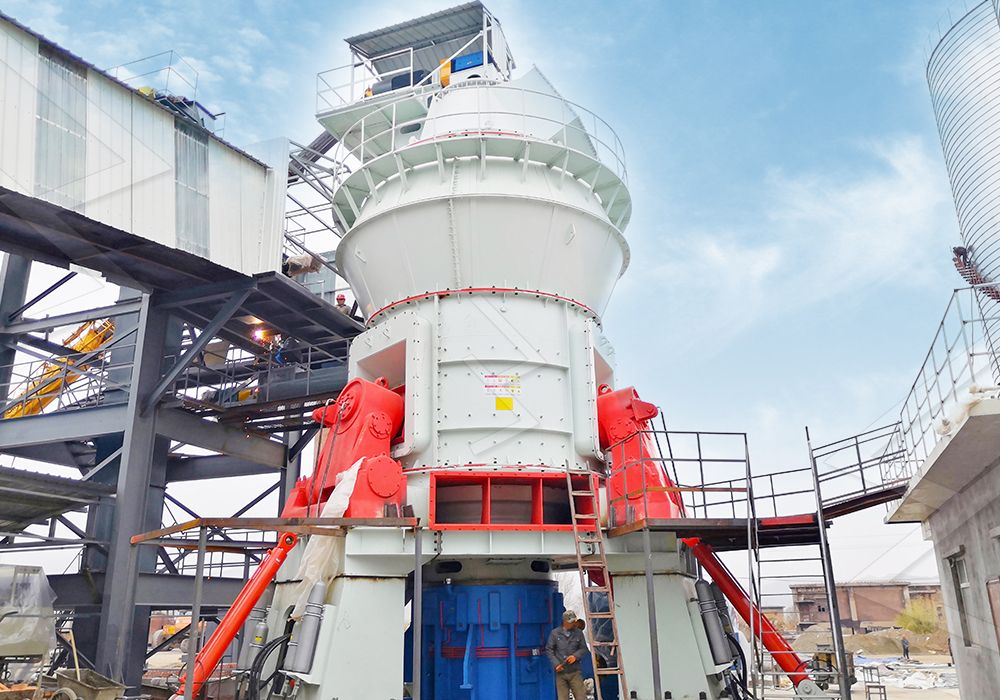
Considering an Alternative for Ultra-Fine Applications
If your end-product requirements venture into ultra-fine territories beyond typical cement blends, our MW Ultrafine Grinding Mill presents a compelling alternative. While its capacity (0.5-25 TPH) is generally suited for smaller-scale, specialized production, its ability to achieve adjustable fineness between 325-2500 meshes is unparalleled. It’s an excellent option for producing high-value, ultra-fine slag powders for niche markets, though for your stated 300,000-ton volume, the LM Vertical Slag Mill remains the primary recommendation.
Conclusion
For a 300,000-ton annual slag grinding operation, the decision hinges on capacity, efficiency, and reliability. Our LM Vertical Slag Mill is meticulously designed to excel in all these areas, offering a lower total cost of ownership and a proven track record in similar applications globally. We recommend engaging with our technical team to conduct a precise capacity calculation and system layout tailored to your specific plant conditions and slag characteristics.