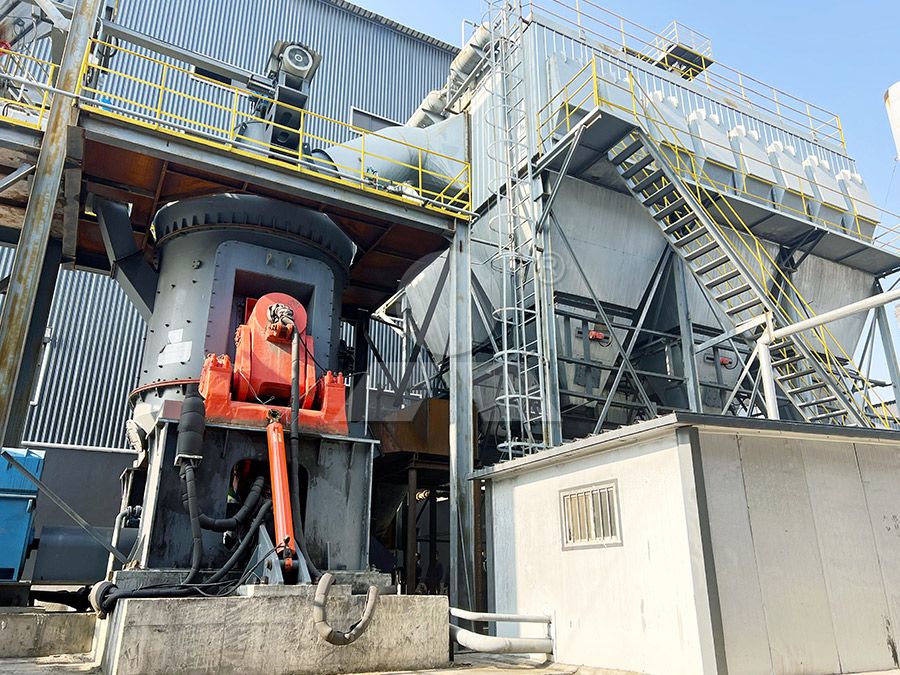
Ball Mill Coal Grinding System Flow Chart: Operation and Diagram Explained
We provide a wide range of mills — including Raymond mill, trapezoidal mill, vertical mill, ultrafine mill, and ball mill, obtained ISO9001 international quality certification, EU CE certification, and Customs Union CU-TR certification. Suitable for processing minerals such as limestone, phosphate, quicklime, kaolin, talc, barite, bentonite, calcium carbonate, dolomite, coal, gypsum, clay, carbon black, slag, cement raw materials, cement clinker, and more.
The discharge range of these mills can be adjusted to meet specific processing needs, typically from 80-400 mesh, 600-3250 mesh, and can achieve the finest particle size of up to 6000 mesh(D50).
If you are looking for a reliable grinding solution to turn stone or minerals into fine powder, please feel free to contact our online customer service.
Ball Mill Coal Grinding System Flow Chart: Operation and Diagram Explained
In the realm of thermal power generation and cement production, the efficent pulverization of coal is a critical process. The ball mill coal grinding system remains a workhorse technology for this task, offering reliability and robust performance. This article delves into the standard flow chart, operational principles, and key considerations for a typical ball mill-based coal grinding circuit.
System Flow Chart & Key Components
A standard closed-circuit ball mill system for coal grinding encompasses several key stages:
- Raw Coal Feed: Sized coal (<25mm) is fed from a bunker via a weigh feeder or screw conveyor into the ball mill.
- Grinding: Inside the rotating mill chamber, steel balls crush and grind the coal into fine powder through impact and attrition.
- Drying: Hot primary air (from an air heater) is introduced into the mill. This air dries the coal, ensuring optimal moisture content for combustion and preventing clogging.
- Classification: The coal-air mixture exits the mill and enters a classifier (often a dynamic or cyclone type). Oversized particles are rejected and returned to the mill inlet for regrinding.
- Product Transport: The finely ground, dried coal (coal dust) is pneumatically transported by the primary air to burners or storage silos.
Operational Nuances and Challenges
While robust, traditional ball mill systems have inherent drawbacks. They are notoriously energy-intensive, with a significant portion of input power converted to heat and noise rather than grinding. Maintaining a consistent product fineness can be challenging and is highly dependent on ball charge, coal feed rate, and air flow. Wear on liners and grinding media is substantial, leading to high maintenance downtime and operational costs. Furthermore, the system’s large physical footprint and potential for dust leakage require careful infrastructural planning.
Modern Alternatives for Enhanced Efficiency
The industry’s shift towards higher efficiency and lower operational costs has spurred the development of advanced grinding technologies. Vertical roller mills (VRMs) have become a popular alternative, offering superior energy efficiency and drying capabilities. For applications demanding ultra-fine pulverized coal, newer technologies provide even greater benefits.
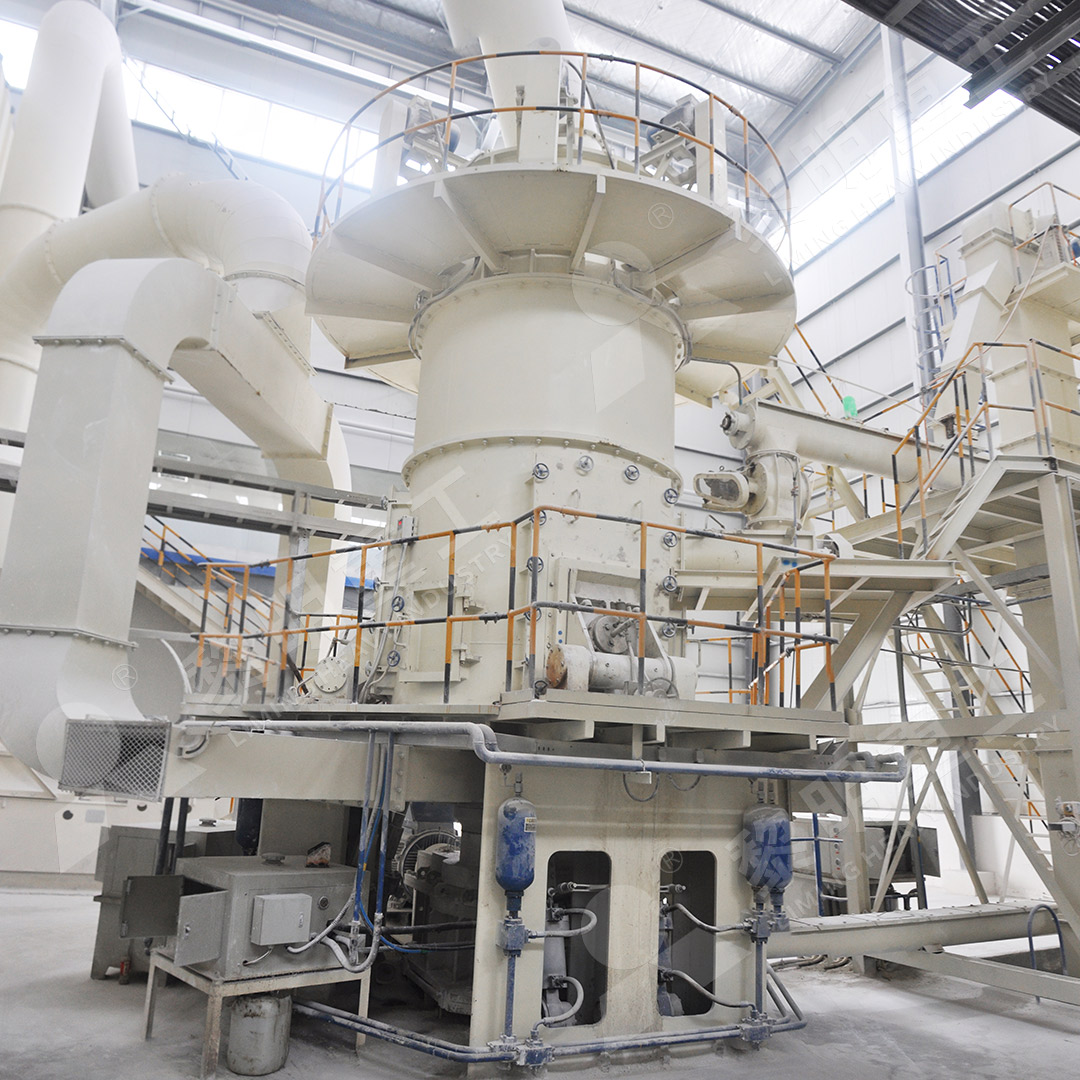
For instance, our MW Ultrafine Grinding Mill presents a compelling solution for specific coal grinding needs, particularly where very fine or ultra-fine coal powder is required for specialized combustion or processes. It handles feed sizes up to 20mm with a capacity range of 0.5-25 tph. A key advantage is its higher yielding and lower energy consumption – it achieves 40% higher capacity than jet mills and double the yield of ball mills, while system energy consumption is only 30% of a jet mill. Furthermore, its design eliminates rolling bearings and screws in the grinding chamber, virtually eradicating concerns about bearing failure or loose screws causing catastrophic damage. The integrated efficient pulse dust collector ensures the entire operation is eco-friendly, meeting stringent environmental standards.
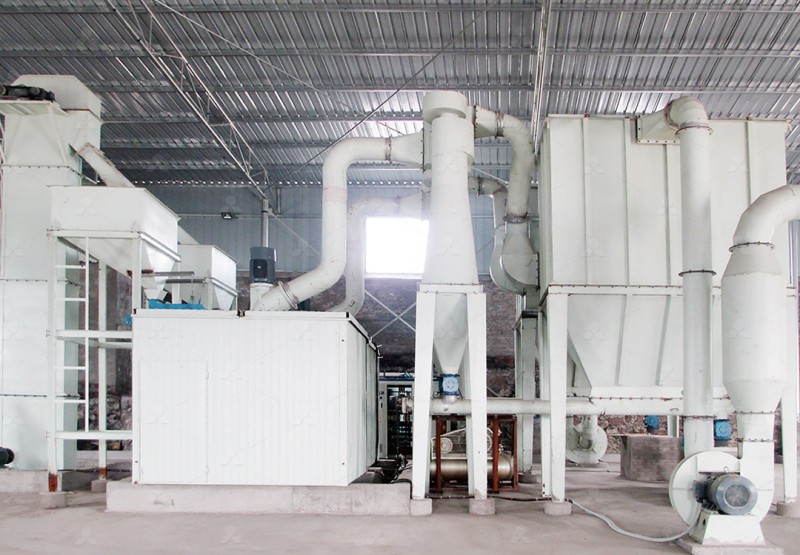
Another exceptional product in our portfolio for finer grinding applications is the LUM Ultrafine Vertical Grinding Mill. It integrates grinding, classifying, and transporting with remarkable efficiency. Its unique roller shell and lining plate grinding curve design promotes easier material layer formation and achieves a high rate of finished product in a single pass. It also incorporates more energy-saving multi-head powder separating technology and double position-limiting technology for exceptional operational stability.
Conclusion
Understanding the flow and operation of a ball mill coal grinding system is fundamental for plant operators. While it is a proven technology, evaluating its total cost of ownership—including energy, maintenance, and environmental controls—is crucial. Modern mills, like our MW Ultrafine Grinding Mill and LUM Ultrafine Vertical Grinding Mill, offer advanced features that adress many of the traditional ball mill’s limitations, providing pathways to significatly lower operating costs, higher product quality, and a smaller environmental footprint. The choice of technology ultimately depends on the specific fineness requirement, capacity, and overall plant design philosophy.