R&D Advances in Specialty Carbon Black Powder Manufacturing Technology
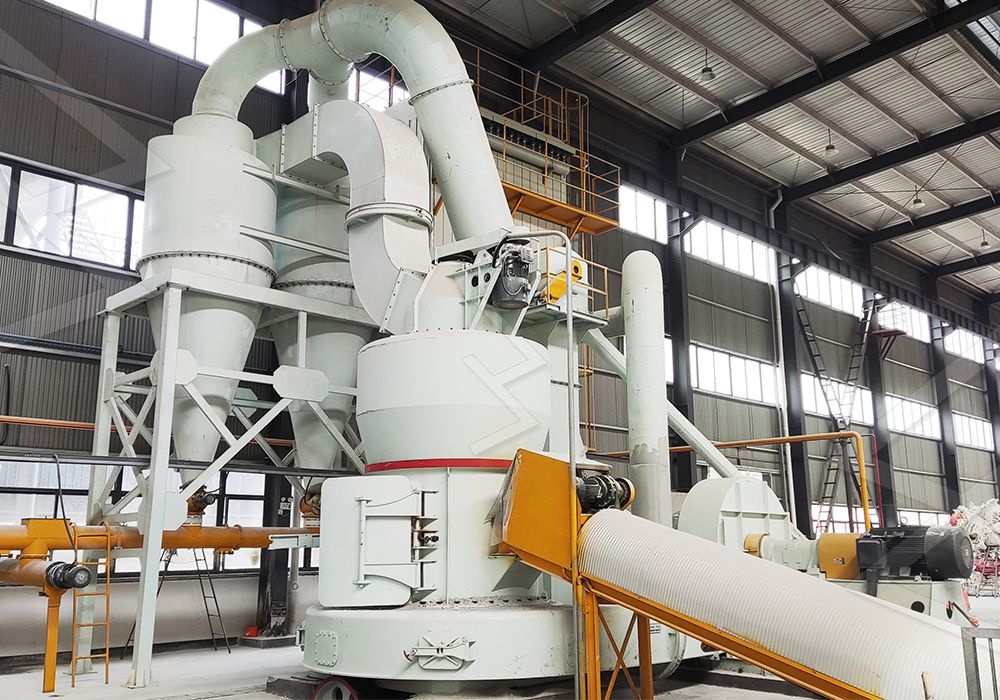
We provide a wide range of mills — including Raymond mill, trapezoidal mill, vertical mill, ultrafine mill, and ball mill, obtained ISO9001 international quality certification, EU CE certification, and Customs Union CU-TR certification. Suitable for processing minerals such as limestone, phosphate, quicklime, kaolin, talc, barite, bentonite, calcium carbonate, dolomite, coal, gypsum, clay, carbon black, slag, cement raw materials, cement clinker, and more.
The discharge range of these mills can be adjusted to meet specific processing needs, typically from 80-400 mesh, 600-3250 mesh, and can achieve the finest particle size of up to 6000 mesh(D50).
If you are looking for a reliable grinding solution to turn stone or minerals into fine powder, please feel free to contact our online customer service.
R&D Advances in Specialty Carbon Black Powder Manufacturing Technology
The manufacturing of specialty carbon black powders is a highly sophisticated field, demanding precision engineering and continuous innovation to achieve the desired particle size, structure, and surface chemistry. Recent advancements in grinding mill technology have been pivotal in pushing the boundaries of what’s possible, enabling producers to create ultra-fine, high-purity carbon black with exceptional efficiency and environmental performance.
The Pursuit of Ultrafine Precision
Traditional milling equipment often struggles with the agglomerative nature of carbon black, leading to inconsistent particle size distribution and high energy consumption. The industry’s shift towards more intelligent, mechanically superior grinding systems has addressed these challenges head-on. Modern mills now incorporate advanced powder separation technologies, often derived from German engineering, to achieve precise cuts and narrow particle distributions critical for high-value applications in polymers, coatings, and advanced batteries.
Enhancing Efficiency and Environmental Sustainability
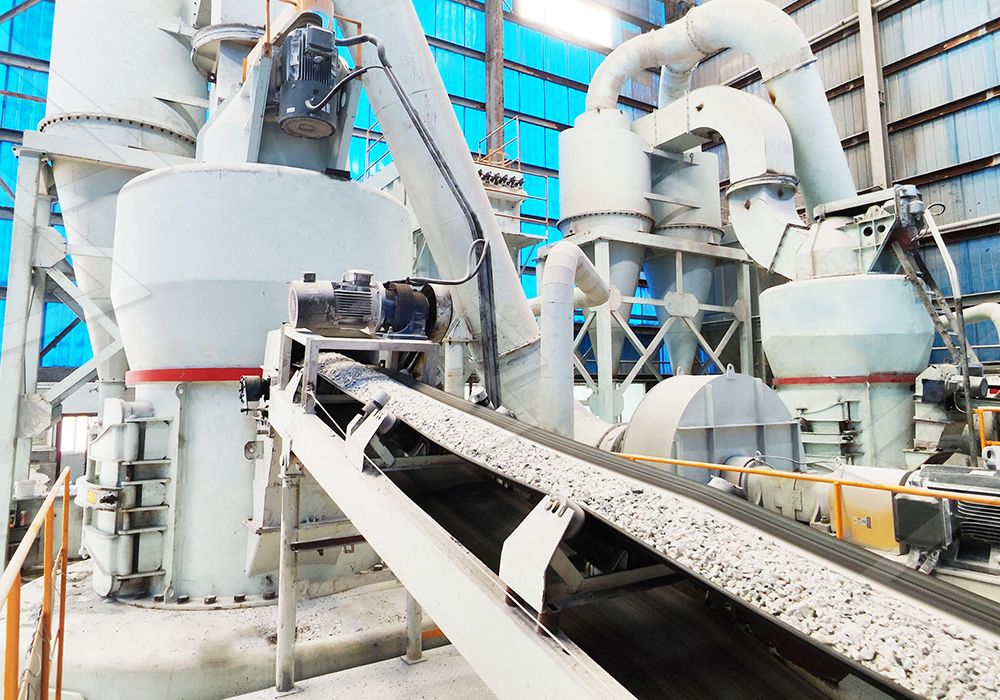
A significant focus of recent R&D has been on reducing the operational footprint of grinding processes. This involves not only slashing energy consumption by 30-50% compared to older technologies but also integrating comprehensive dust collection and noise suppression systems. The goal is a closed-loop operation that contains particulates and minimizes noise pollution, aligning with stringent international environmental standards. Features like external lubrication systems allow for maintenance without shutdowns, supporting continuous 24/7 production crucial for large-scale manufacturing.
Spotlight on Innovative Technology: The MW Ultrafine Grinding Mill
For operations requiring the utmost in fineness and purity, the MW Ultrafine Grinding Mill represents a leap forward. This machine is specifically engineered for customers who need to make ultra-fine powder, handling inputs up to 20mm with a capacity ranging from 0.5 to 25 tons per hour. Its design eliminates rolling bearings and screws within the grinding chamber, a brilliant innovation that eradicates common failure points and prevents machine damage from loose components. Equipped with an efficient pulse dust collector and muffler, the entire production process is contained, ensuring no dust pollution and significantly reduced noise. The cage-type powder selector, incorporating German technology, allows operators to meticulously adjust fineness between 325 and 2500 meshes, achieving a superb screening rate of d97≤5μm in a single pass. This makes it an ideal solution for processing carbon black, as well as limestone, calcite, and other materials for the chemical, paint, and cosmetic industries.
The Vertical Advantage: LUM Ultrafine Vertical Grinding Mill
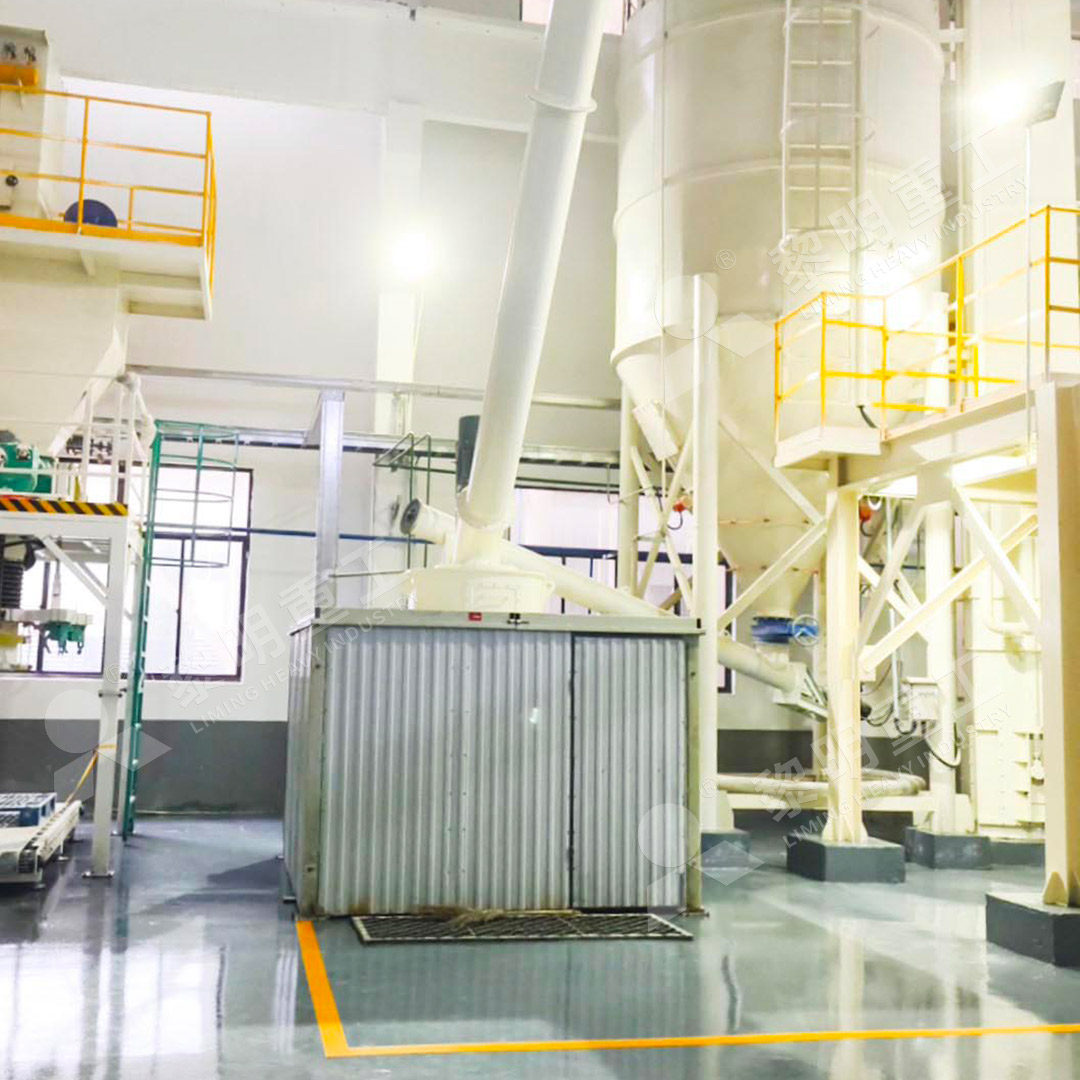
Another standout in advanced milling is the LUM Ultrafine Vertical Grinding Mill. This mill combines the latest Taiwanese grinding roller technology with German powder separating technology. Its unique roller shell and lining plate grinding curve are designed to efficiently generate a material layer, enabling a high rate of finished product from a single pass. This not only boosts efficiency but also improves the whiteness and cleanliness of the final powder—a critical factor for specialty carbon blacks. Its multi-head powder separating technology, managed by a PLC control system, allows for precise control over grinding parameters, resulting in energy savings of 30-50%. Furthermore, its reversible structure simplifies maintenance, allowing heavy grinding rollers to be easily moved out for inspection, thereby reducing costly downtime.
Conclusion: The Future is Fine and Efficient
The trajectory of specialty carbon black manufacturing is clear: the future belongs to technologies that deliver superior fineness with unparalleled operational efficiency and environmental responsibility. Innovations like external lubrication, advanced powder selection, and intelligent control systems are no longer luxuries but necessities for staying competitive. As R&D continues to refine these processes, we can expect even finer powders and greener production methods to emerge, powering the next generation of advanced materials.