
Vertical Roller Mill for Cement Grinding: Supplier and Equipment Guide
We provide a wide range of mills — including Raymond mill, trapezoidal mill, vertical mill, ultrafine mill, and ball mill, obtained ISO9001 international quality certification, EU CE certification, and Customs Union CU-TR certification. Suitable for processing minerals such as limestone, phosphate, quicklime, kaolin, talc, barite, bentonite, calcium carbonate, dolomite, coal, gypsum, clay, carbon black, slag, cement raw materials, cement clinker, and more.
The discharge range of these mills can be adjusted to meet specific processing needs, typically from 80-400 mesh, 600-3250 mesh, and can achieve the finest particle size of up to 6000 mesh(D50).
If you are looking for a reliable grinding solution to turn stone or minerals into fine powder, please feel free to contact our online customer service.
Vertical Roller Mill for Cement Grinding: Supplier and Equipment Guide
In the modern cement production industry, efficiency, energy consumption, and environmental impact are paramount concerns. Vertical Roller Mills (VRMs) have emerged as the preferred equipment for grinding raw materials, clinker, and slag due to their superior performance compared to traditional ball mills. This guide explores the key aspects of VRMs and highlights leading equipment solutions.
Why Choose a Vertical Roller Mill?
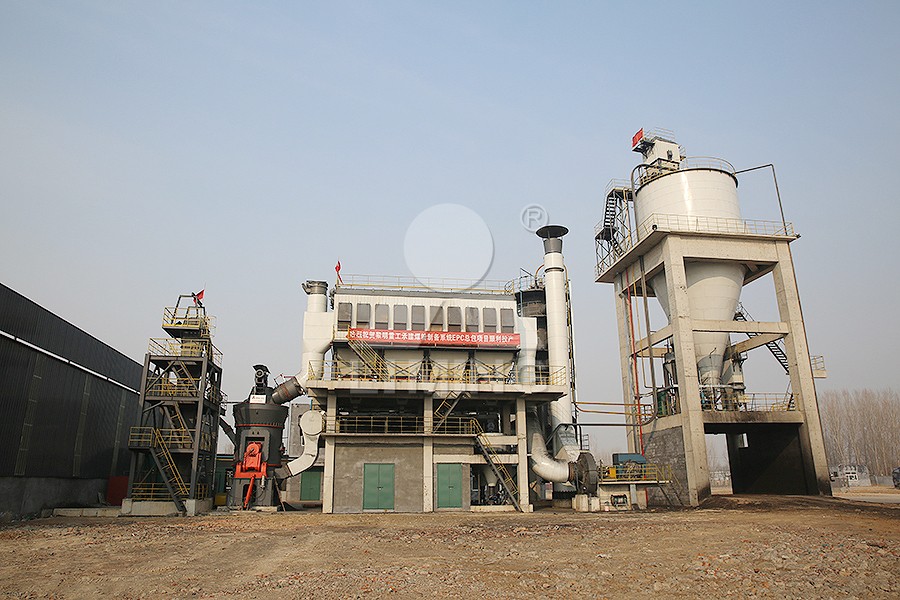
VRMs offer a signifigant advantage over conventional grinding systems. Their integrated design combines crushing, grinding, drying, classification, and conveying into a single, compact unit. This leads to a 50% reduction in floor space and up to 40% lower energy consumption. The material bed grinding principle, where rollers hydraulically press against a rotating grinding table, ensures efficient particle size reduction with minimal metal-to-metal contact, resulting in lower wear, less iron contamination, and a quieter, more stable operation.
Key Considerations When Selecting a VRM
Choosing the right VRM requires careful evaluation of several factors:
- Capacity & Feed Size: Match the mill’s throughput (tph) and maximum feed size to your production requirements.
- Product Fineness: Ensure the mill can achieve your desired product fineness, typically measured in blaine or mesh.
- Energy Efficiency: Look for designs that minimize power consumption per ton of product.
- Reliability & Maintenance: Consider ease of access for maintenance and the availability of spare parts.
- Environmental Compliance: Modern mills must feature advanced dust collection and low noise emissions.
Leading Equipment Recommendation: LM Vertical Grinding Mill
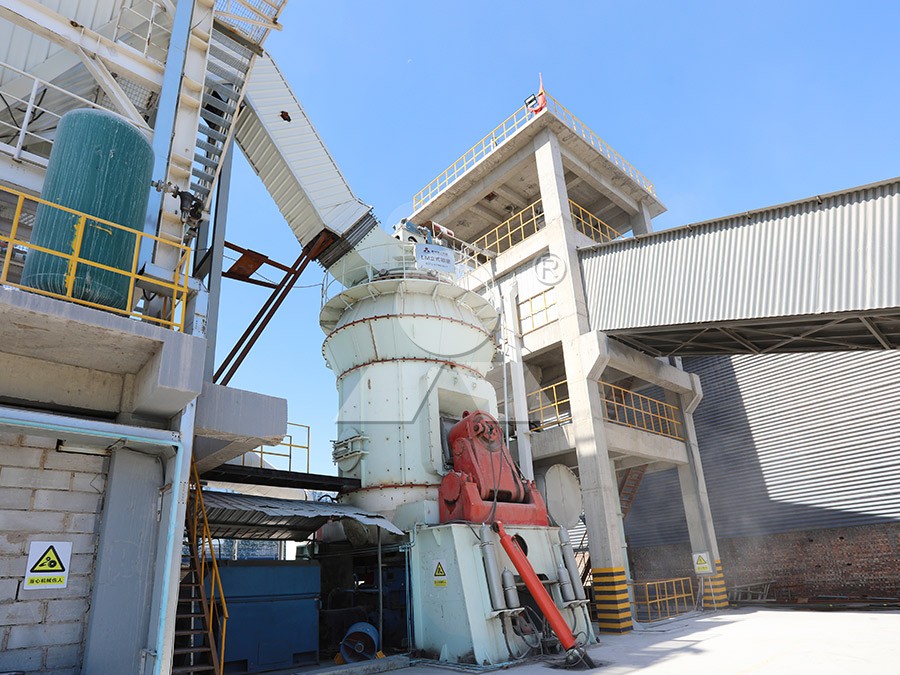
For operations seeking a robust and proven solution for cement and slag grinding, the LM Vertical Grinding Mill stands out. It is engineered to handle input sizes up to 70mm with capacities ranging from 3 to 340 tph, making it suitable for everything from small plants to large production lines.
Its key advantages include a remarkable 30%-40% reduction in energy consumption compared to ball mills and a significantly smaller footprint. The grinding process ensures a short material retention time, which reduces over-grinding and allows for precise control over product chemistry and grain size. Furthermore, its fully sealed system operating under negative pressure guarantees no dust spillage, meeting the strictest environmental standards.
For Ultra-Fine Grinding Needs: MW Ultrafine Grinding Mill
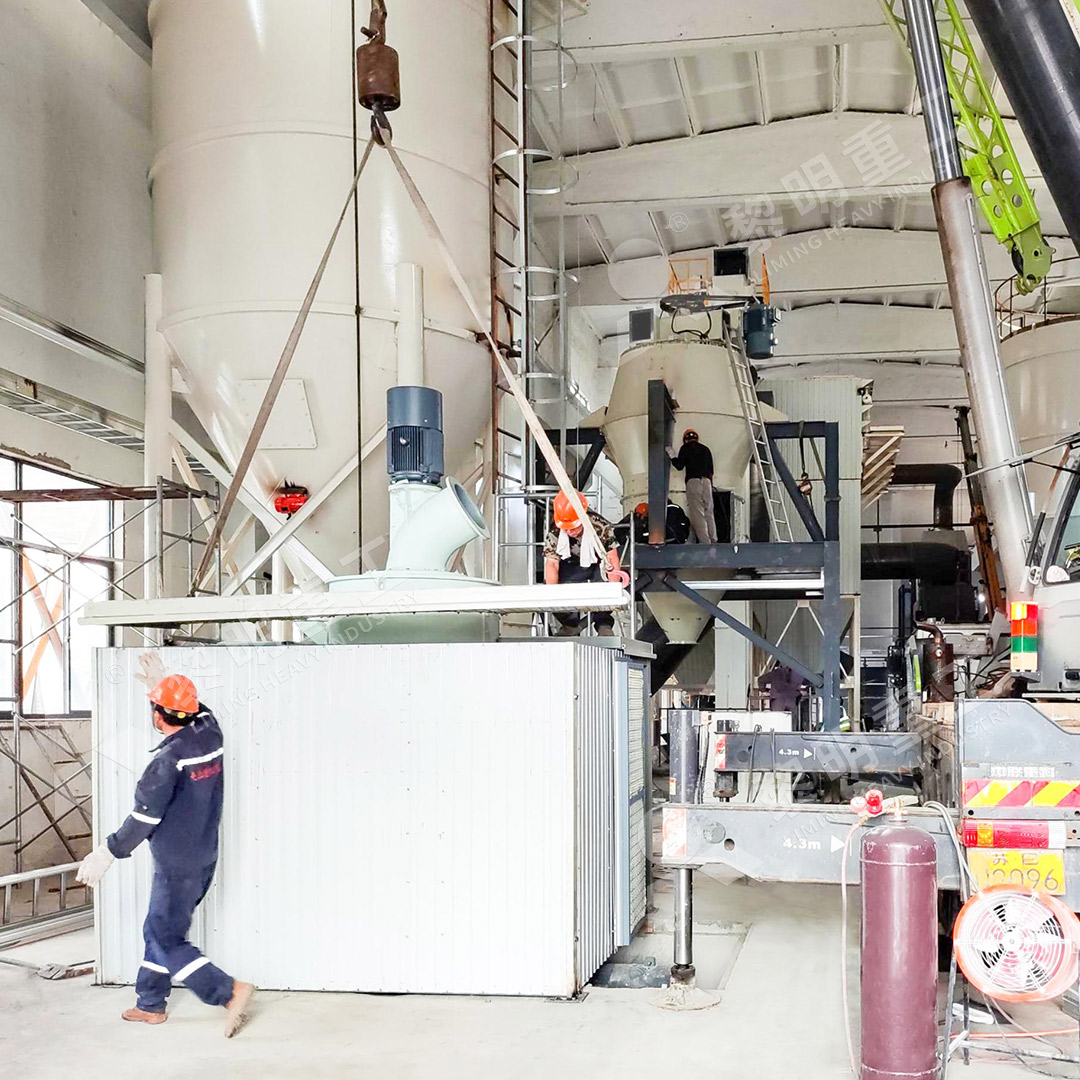
When the application demands ultra-fine powders beyond the scope of standard VRMs, the MW Ultrafine Grinding Mill is the ideal choice. Designed for producing fine powder between 325-2500 meshes, this mill is perfect for additives like limestone, calcite, or gypsum. It boasts a capacity of 0.5-25 tph and handles a feed size of 0-20mm.
A standout feature is its higher yielding and lower energy consumption; it offers 40% higher capacity than jet mills while using only 30% of the energy. Its innovative design includes no rolling bearings or screws in the grinding chamber, eliminating common failure points and enabling worry-free, continuous 24/7 operation. Equipped with an efficient pulse dust collector and muffler, it operates cleanly and quietly.
Conclusion
Investing in the right grinding technology is crucial for the profitability and sustainability of any cement operation. Vertical Roller Mills represent the pinnacle of grinding efficiency. For general cement and slag grinding, the LM Vertical Grinding Mill offers unparalleled performance and reliability. For specialized applications requiring ultra-fine powders, the MW Ultrafine Grinding Mill provides an energy-efficient and high-capacity solution. Partnering with a supplier that offers comprehensive technical support and genuine spare parts is essential for maximizing uptime and return on investment.