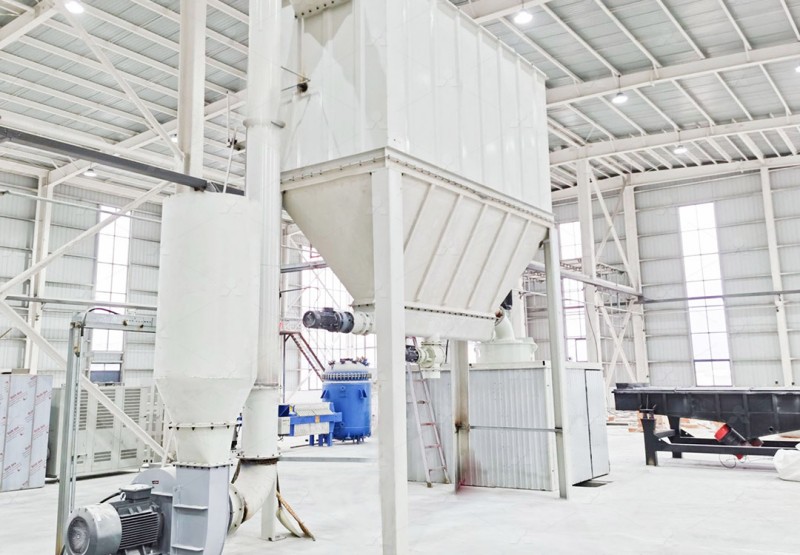
Raymond Mill System for Efficient Gangue Pulverizing in Industrial Applications
We provide a wide range of mills — including Raymond mill, trapezoidal mill, vertical mill, ultrafine mill, and ball mill, obtained ISO9001 international quality certification, EU CE certification, and Customs Union CU-TR certification. Suitable for processing minerals such as limestone, phosphate, quicklime, kaolin, talc, barite, bentonite, calcium carbonate, dolomite, coal, gypsum, clay, carbon black, slag, cement raw materials, cement clinker, and more.
The discharge range of these mills can be adjusted to meet specific processing needs, typically from 80-400 mesh, 600-3250 mesh, and can achieve the finest particle size of up to 6000 mesh(D50).
If you are looking for a reliable grinding solution to turn stone or minerals into fine powder, please feel free to contact our online customer service.
Raymond Mill System for Efficient Gangue Pulverizing in Industrial Applications
In today’s industrial landscape, the efficient processing of gangue and other mineral by-products is crucial for both economic and environmental reasons. Gangue, the valueless material surrounding ore, often requires pulverization to facilitate disposal or utilization in secondary applications like construction materials or soil amendment. Traditional grinding methods can be energy-intensive, noisy, and environmentally taxing. This is where advanced milling technology, particularly modernized Raymond Mill systems, comes into play, offering a sophisticated solution for efficient and eco-friendly gangue pulverization.
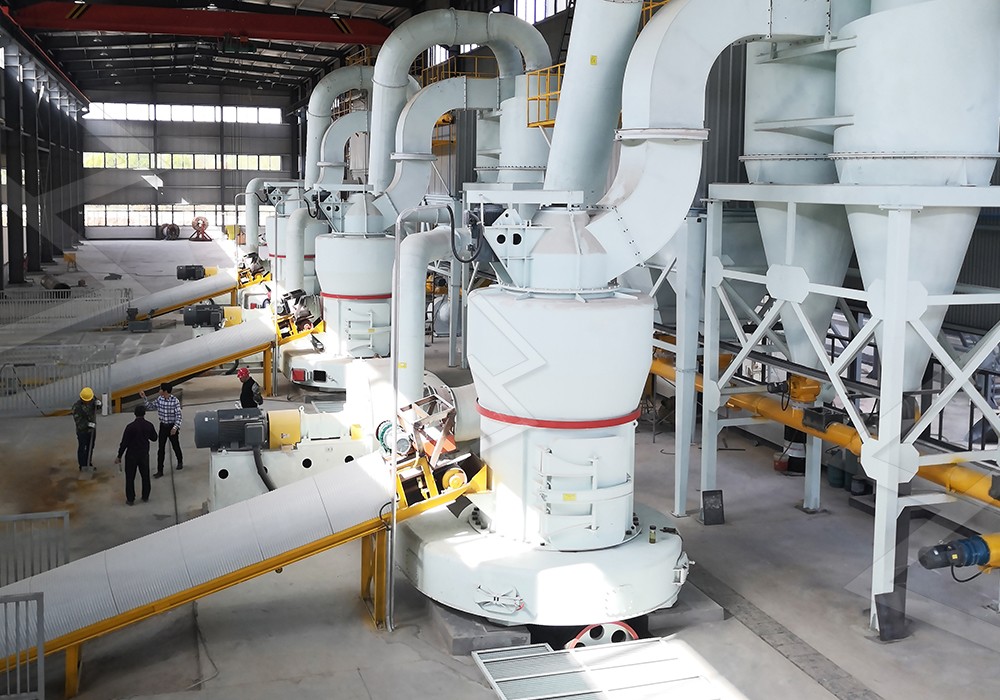
The core principle of a Raymond Mill involves grinding material between a rotating ring and oscillating rollers. Crushed gangue is fed into the grinding chamber where it is pulverized by the rollers. A built-in classifier then separates the fine powder from coarse particles, which are recycled back for further grinding. This closed-circuit system ensures high efficiency and consistent product fineness. Modern iterations of this technology have significantly improved upon the original design, incorporating features that reduce energy consumption, minimize wear and tear, and drastically cut down on dust and noise pollution.
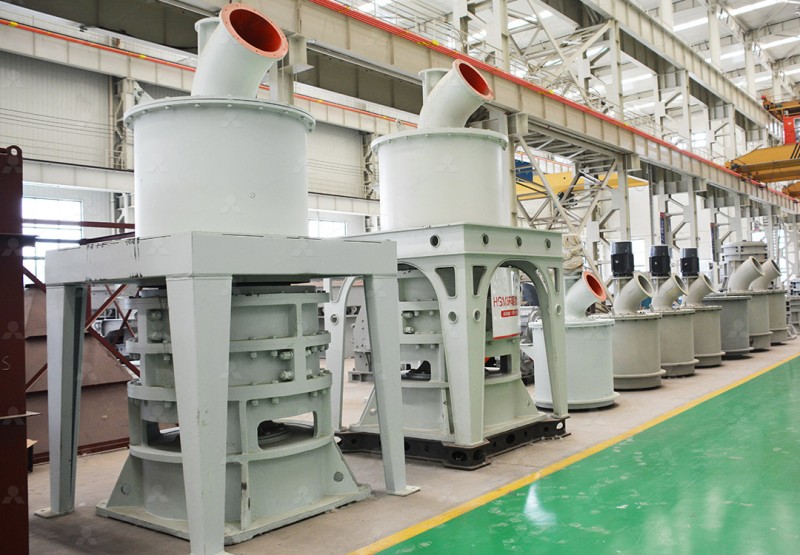
When selecting equipment for gangue processing, several factors are paramount: energy efficiency, output fineness, operational stability, and environmental compliance. For operations requiring ultra-fine powder between 325-2500 meshes, our MW Ultrafine Grinding Mill is an exceptional choice. With an input size of 0-20 mm and a capacity ranging from 0.5 to 25 tph, it is perfectly suited for detailed gangue refinement. Its key advantages include a 40% higher production capacity compared to jet mills and energy consumption that is only 30% of that of traditional jet grinding systems. The absence of rolling bearings and screws in the grinding chamber eliminates common failure points, ensuring worry-free, continuous 24/7 operation. Furthermore, its efficient pulse dust collector and muffler make the entire production process remarkably clean and quiet.
For larger-scale operations focused on vertical integration and higher throughput, the LUM Ultrafine Vertical Grinding Mill presents another robust solution. Handling an input size of 0-10 mm and offering a capacity of 5-18 tph, it integrates grinding, classifying, and transporting into a single, compact unit. Its unique roller shell and lining plate grinding curve generate a stable material layer, enabling a high rate of finished product in a single pass. This design, coupled with advanced multi-head powder separating technology, reduces energy consumption by 30%-50% compared to common grinding mills. Its double position-limiting technology guarantees operational stability, preventing destructive impacts from machine vibration.
In conclusion, the evolution of Raymond Mill systems has transformed gangue pulverization from a mere necessity into an opportunity for enhanced efficiency and sustainability. By leveraging advanced technologies like our MW and LUM mills, industries can achieve superior product quality, significantly lower operating costs, and maintain strict adherence to environmental standards, turning industrial waste into a valuable resource.