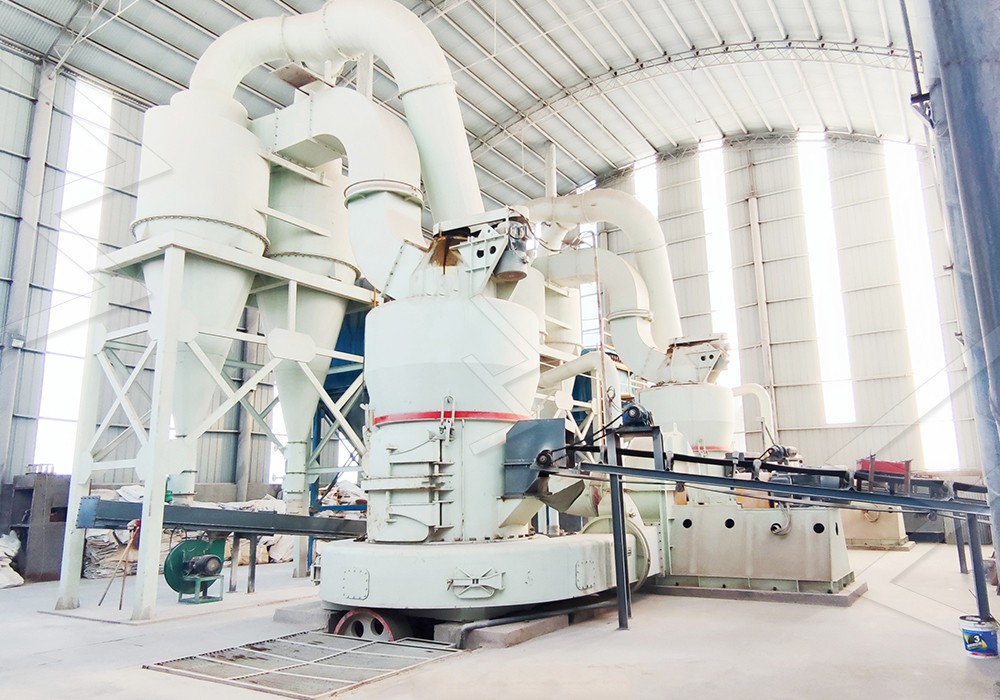
Key Process Points for Low-Iron Quartz Powder Production in Industrial Milling
We provide a wide range of mills — including Raymond mill, trapezoidal mill, vertical mill, ultrafine mill, and ball mill, obtained ISO9001 international quality certification, EU CE certification, and Customs Union CU-TR certification. Suitable for processing minerals such as limestone, phosphate, quicklime, kaolin, talc, barite, bentonite, calcium carbonate, dolomite, coal, gypsum, clay, carbon black, slag, cement raw materials, cement clinker, and more.
The discharge range of these mills can be adjusted to meet specific processing needs, typically from 80-400 mesh, 600-3250 mesh, and can achieve the finest particle size of up to 6000 mesh(D50).
If you are looking for a reliable grinding solution to turn stone or minerals into fine powder, please feel free to contact our online customer service.
Key Process Points for Low-Iron Quartz Powder Production in Industrial Milling
Producing high-purity, low-iron quartz powder is a demanding industrial process that requires precision equipment and meticulous attention to detail. The value of the final product is directly tied to its whiteness and chemical purity, making iron contamination a primary concern. The entire process, from raw material selection to final packaging, must be designed to minimize the introduction of iron from wear parts, environmental dust, or processing errors.
1. Raw Material Selection and Pre-Processing
The journey begins with high-quality quartz ore. The raw material should be carefully sorted to remove any foreign materials or rocks with visible iron staining. Initial crushing is typically performed using jaw crushers lined with ceramic or manganese steel to reduce iron wear. Washing the crushed ore is a critical step to remove surface clays and contaminants that often contain iron oxides.
2. The Heart of the Process: Industrial Grinding
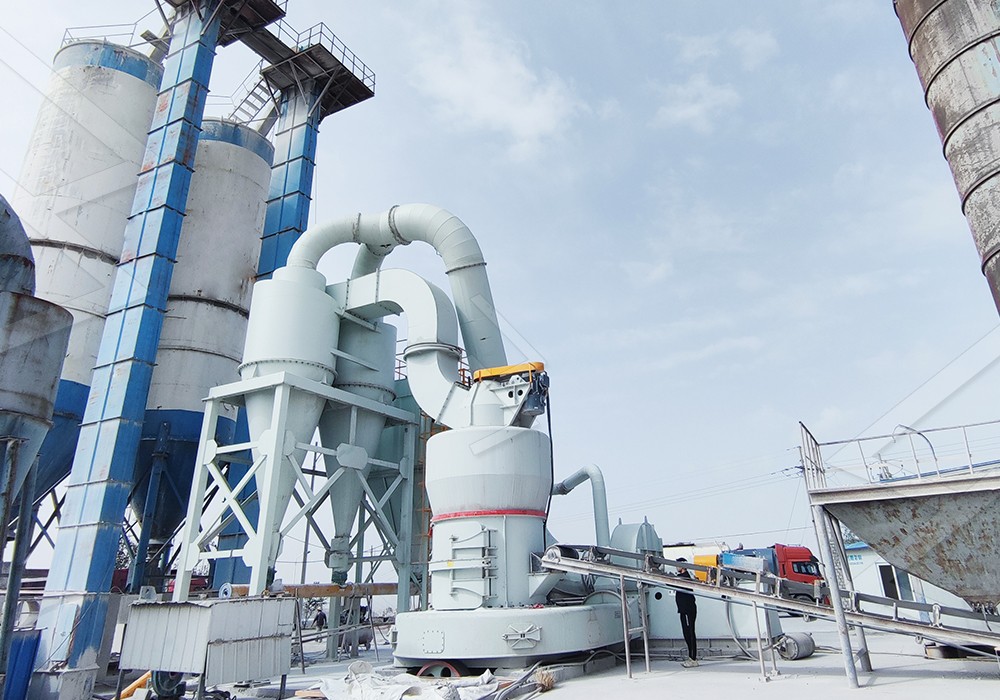
The grinding stage is where the most significant risk of iron contamination occurs. Traditional ball mills, while effective for size reduction, can introduce substantial iron from grinding media and liner wear. For low-iron applications, advanced milling technology is not just an advantage—it’s a necessity.
This is where our MW Ultrafine Grinding Mill excels. Engineered specifically for ultra-fine powder production, its design philosophy directly addresses the challenges of contamination. A key feature is the absence of rolling bearings and screws inside the grinding chamber. This eliminates two major potential sources of iron wear debris. Operators are freed from constant worry about bearing failures or loose screws causing catastrophic contamination events.
Furthermore, the MW Mill’s cage-type powder selector, incorporating German technology, allows for precise fineness control between 325-2500 meshes. This ensures you can achieve the exact particle size distribution required for your application without over-grinding, which can increase the surface area for potential contamination.
3. Dedusting and Iron Removal
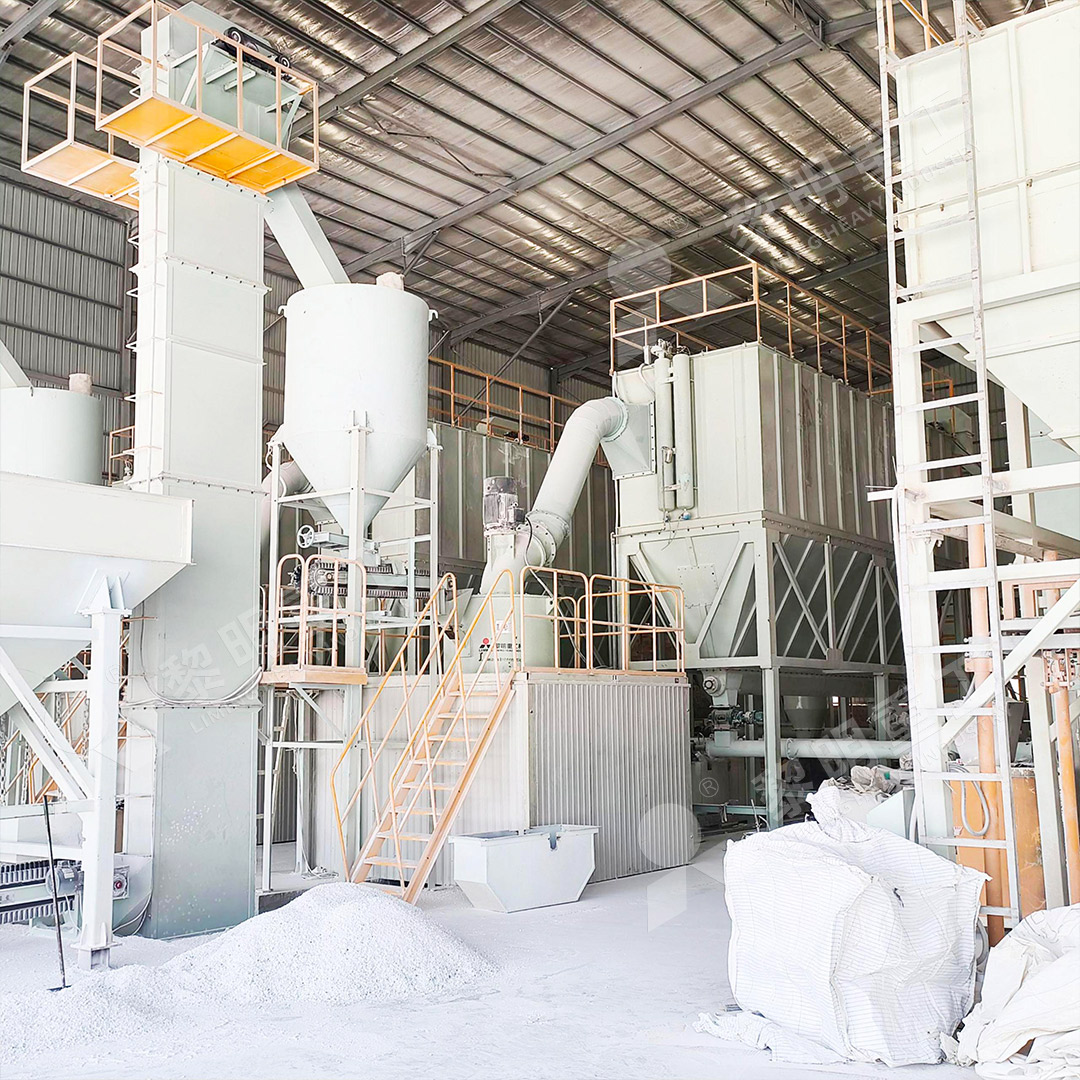
Even with the best equipment, ancillary processes are vital. Magnetic separators should be installed at multiple stages—after primary crushing, before the mill feed, and after grinding—to remove any tramp iron. The integrated efficient pulse dust collector on the MW Mill is crucial here. It ensures no dust pollution and, by maintaining a closed, negative-pressure system, prevents ambient dust (which may contain iron) from entering the process stream.
4. Material Handling and Packaging
The final product must be handled with the same care as during processing. Using ceramic-lined or high-density polyethylene (HDPE) conveyors and packaging systems prevents re-contamination. For the highest purity grades, packaging should occur in a clean-room environment to avoid atmospheric dust settling on the product.
Conclusion: A Holistic Approach to Purity
Achieving consistent low-iron quartz powder is not about one single machine, but a system-wide commitment to purity. It starts with good ore and relies on a grinding mill designed to protect the product. For operations where product whiteness and iron content are critical quality parameters, investing in the right technology from the start is paramount. Our MW Ultrafine Grinding Mill, with its 0.5-25 tph capacity and thoughtful anti-contamination design, provides a robust foundation for building a successful and reliable low-iron quartz production line.