
Top 5 Industrial Uses for Quartz Processed in Ball Mills near Bangalore
We provide a wide range of mills — including Raymond mill, trapezoidal mill, vertical mill, ultrafine mill, and ball mill, obtained ISO9001 international quality certification, EU CE certification, and Customs Union CU-TR certification. Suitable for processing minerals such as limestone, phosphate, quicklime, kaolin, talc, barite, bentonite, calcium carbonate, dolomite, coal, gypsum, clay, carbon black, slag, cement raw materials, cement clinker, and more.
The discharge range of these mills can be adjusted to meet specific processing needs, typically from 80-400 mesh, 600-3250 mesh, and can achieve the finest particle size of up to 6000 mesh(D50).
If you are looking for a reliable grinding solution to turn stone or minerals into fine powder, please feel free to contact our online customer service.
Top 5 Industrial Uses for Quartz Processed in Ball Mills near Bangalore
Bangalore, India’s bustling tech and industrial hub, is surrounded by a rich mineral belt, with quartz being one of the most crucial raw materials. Processing this hard, abrasive mineral requires robust and efficient machinery. While traditional ball mills have been the workhorse for size reduction, modern industries demand finer powders and higher efficiency. Here are the top five industrial applications for milled quartz in the region and the equipment that makes it possible.
1. Glass Manufacturing
The glass industry is the largest consumer of processed quartz sand. The clarity, strength, and chemical purity of glass are directly dependent on the fineness and quality of the silica powder used. Near Bangalore, numerous glass factories rely on finely ground quartz as the primary ingredient. The material must be ground to a specific particle size distribution to ensure proper melting and fusion in the furnace. 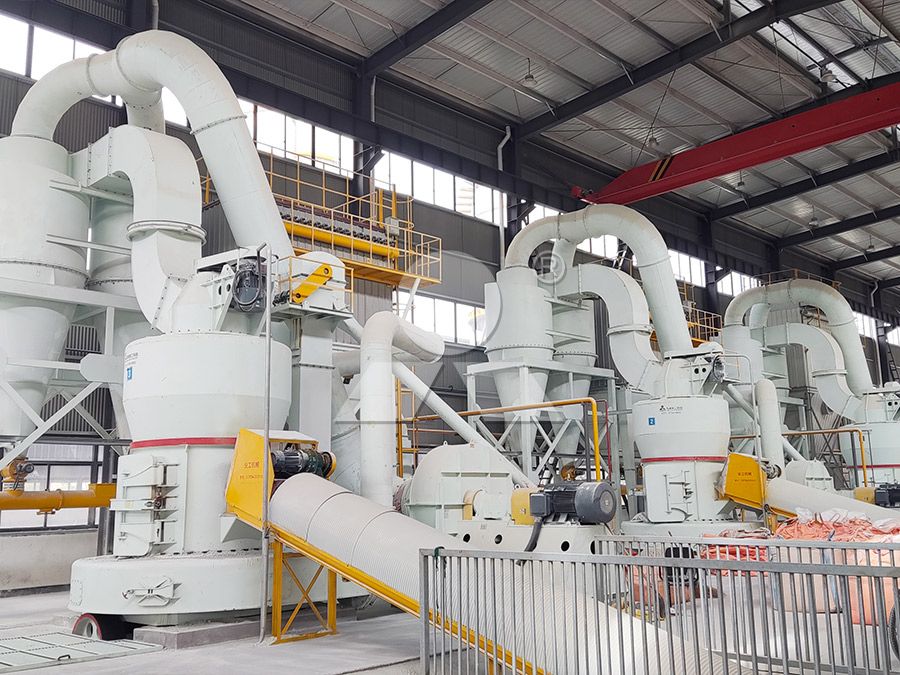 While ball mills can handle this, newer technologies offer superior control over fineness and higher throughput with less energy.
2. Semiconductor & Electronics
Bangalore’s status as “Silicon Valley of India” makes this application particularly significant. High-purity quartz is fundamental in producing silicon wafers, crucibles, and various other components used in semiconductors and electronics. This industry requires ultra-fine grinding to sub-micron levels and impeccable purity to avoid contaminating the sensitive electronic components. The grinding process must be isolated to prevent iron contamination from worn mill parts.
3. Paints, Coatings, and Polymers
Inert and durable, finely ground quartz is a key extender and filler in paints, coatings, and industrial polymer composites. It enhances durability, weather resistance, and matting properties. The paint industry around Bangalore sources finely processed quartz to achieve consistent texture and gloss in their products. The fineness required here often exceeds the capabilities of standard ball mills, pushing manufacturers towards more advanced grinding solutions. 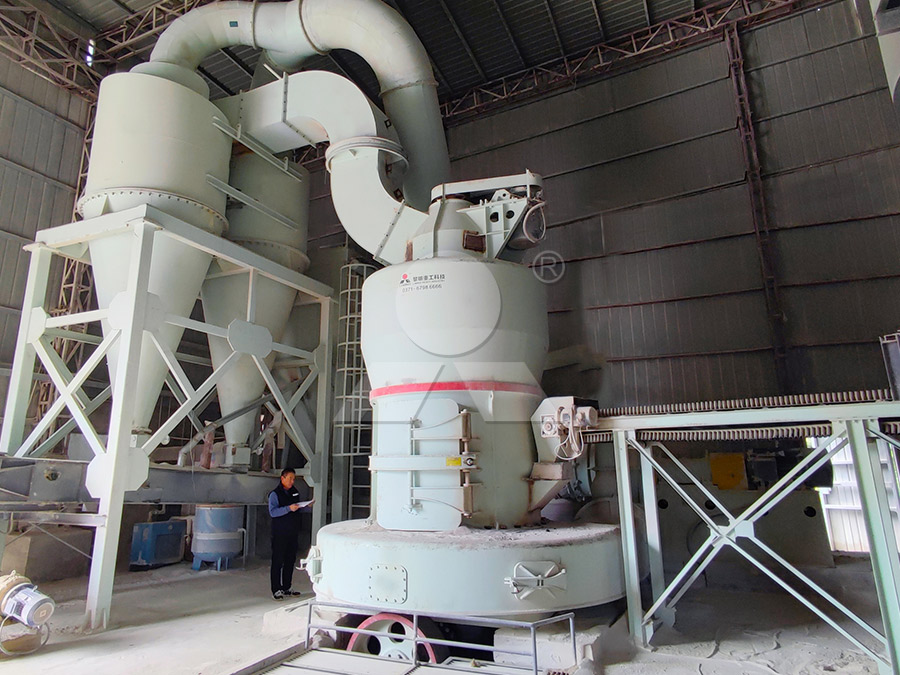
4. Construction and Engineered Stone
Processed quartz is the main ingredient in engineered quartz stone, used for countertops, flooring, and tiles. The material is mixed with resins and pigments, then vibro-compressed under vacuum to create non-porous, durable surfaces. The quality of the final product is heavily dependent on a perfectly consistent and fine quartz powder. This ensures a smooth surface and strong bonding with the polymer resins. Local fabricators need a reliable supply of high-quality powder.
5. Ceramics and Refractories
The ceramics industry uses quartz powder to control the thermal expansion of ceramic bodies and glazes. In refractories, it provides strength and stability at high temperatures. The processing demands grinding to a precise fineness that allows for even sintering and vitrification without causing defects. 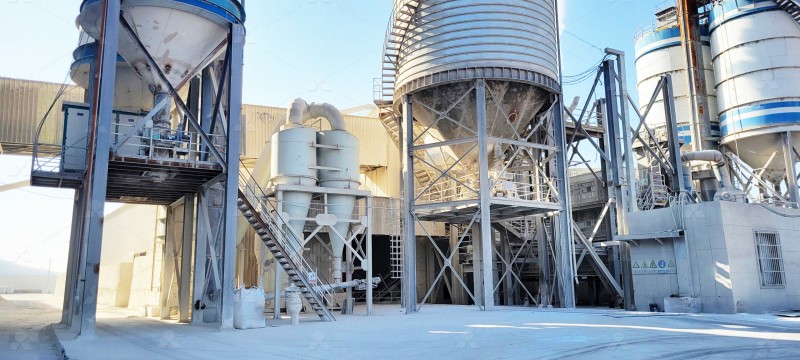
Beyond the Ball Mill: Meeting Modern Demands
While ball mills are common, their limitations in energy efficiency, noise, and achieving consistent ultra-fine powders are well-known. For operations near Bangalore looking to upgrade their quartz processing for these high-value industries, we highly recommend considering our MW Ultrafine Grinding Mill.
This machine is specifically engineered for customers who need to make ultra-fine powder from materials like quartz. With an input size of 0-20 mm and a capacity ranging from 0.5 to 25 tph, it’s perfectly suited for mid to large-scale operations. A key advantage for quartz processing is that there are no rolling bearings or screws in the grinding chamber, virtually eliminating the risk of iron contamination—a critical concern for glass and semiconductor applications. Furthermore, its efficient pulse dust collector and muffler make the entire production process cleaner and quieter, reducing the environmental impact.
For projects requiring vertical integration and even larger capacities, our LUM Ultrafine Vertical Grinding Mill is another excellent choice. It integrates grinding, grading, and transporting, offering remarkable energy savings of 30%-50% compared to traditional mills—a significant advantage given local energy costs.
Upgrading from a traditional ball mill to an advanced solution like the MW or LUM series can significantly enhance your product quality, reduce operating costs, and open doors to more demanding and profitable industrial markets.