
Construction Design Of Ball Mill: PDF Guide For Efficient Grinding Operations
We provide a wide range of mills — including Raymond mill, trapezoidal mill, vertical mill, ultrafine mill, and ball mill, obtained ISO9001 international quality certification, EU CE certification, and Customs Union CU-TR certification. Suitable for processing minerals such as limestone, phosphate, quicklime, kaolin, talc, barite, bentonite, calcium carbonate, dolomite, coal, gypsum, clay, carbon black, slag, cement raw materials, cement clinker, and more.
The discharge range of these mills can be adjusted to meet specific processing needs, typically from 80-400 mesh, 600-3250 mesh, and can achieve the finest particle size of up to 6000 mesh(D50).
If you are looking for a reliable grinding solution to turn stone or minerals into fine powder, please feel free to contact our online customer service.
Construction Design Of Ball Mill: PDF Guide For Efficient Grinding Operations
Ball mills are a cornerstone of many industrial grinding operations, offering a reliable and versatile solution for reducing materials to fine powders. The fundamental construction of a ball mill is relatively straightforward, yet its design intricacies significantly impact efficiency, output quality, and operational costs. A typical ball mill consists of a hollow cylindrical shell rotating about its horizontal axis, partially filled with grinding media—usually steel or ceramic balls. The material to be ground is fed through a trunnion at one end and discharged through the opposite end.
Key Components and Design Considerations
The shell is typically constructed from rolled mild steel plates, butt-welded together and reinforced with heavy-duty flanges. The interior is lined with replaceable liners, designed not only to protect the shell from wear but also to enhance the grinding action by lifting the balls to a certain height before they cascade down, impacting the material. The rotation speed is critical; it must be optimized to ensure the balls are carried to the top of the shell before falling, a state known as the “critical speed.” Operating above this speed results in centrifugal force pinning the balls to the shell wall, rendering grinding ineffective.
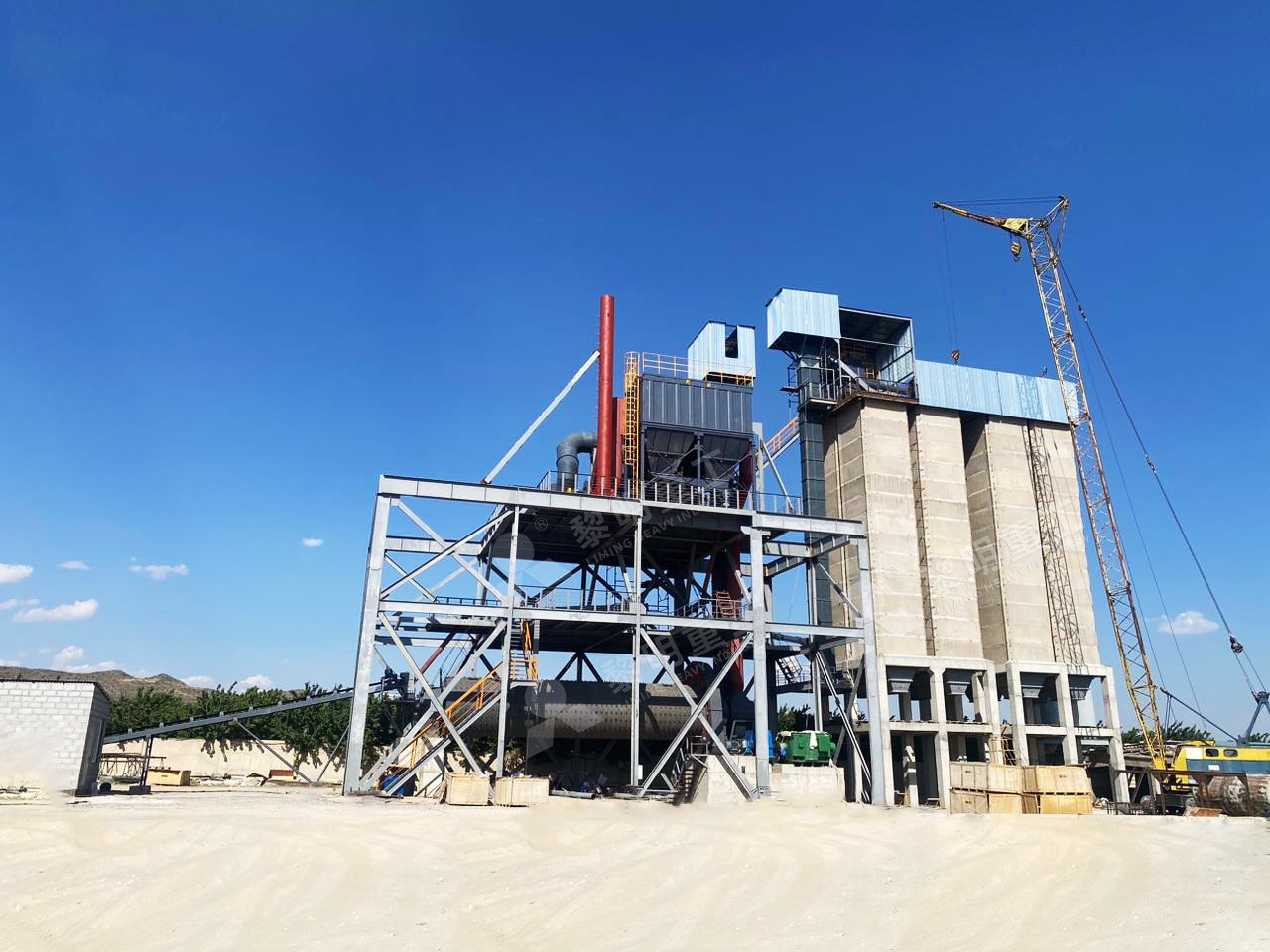
Drive systems are another vital aspect. Modern ball mills often utilize gearless drive systems or dual pinion drives with high-efficiency motors and gearboxes to provide the necessary torque for rotating the massive shell. Proper sealing and lubrication of these components are paramount to prevent downtime and ensure a long service life. While effective, traditional ball mills can be energy-intensive and may struggle with achieving ultra-fine consistencies efficiently.
Advancing Beyond Traditional Ball Milling
For operations demanding higher efficiency, finer outputs, and lower energy consumption, newer grinding technologies have emerged. While the ball mill is a workhorse, its design limitations in ultra-fine grinding and energy usage have led to the development of advanced mills that offer superior performance for specific applications.
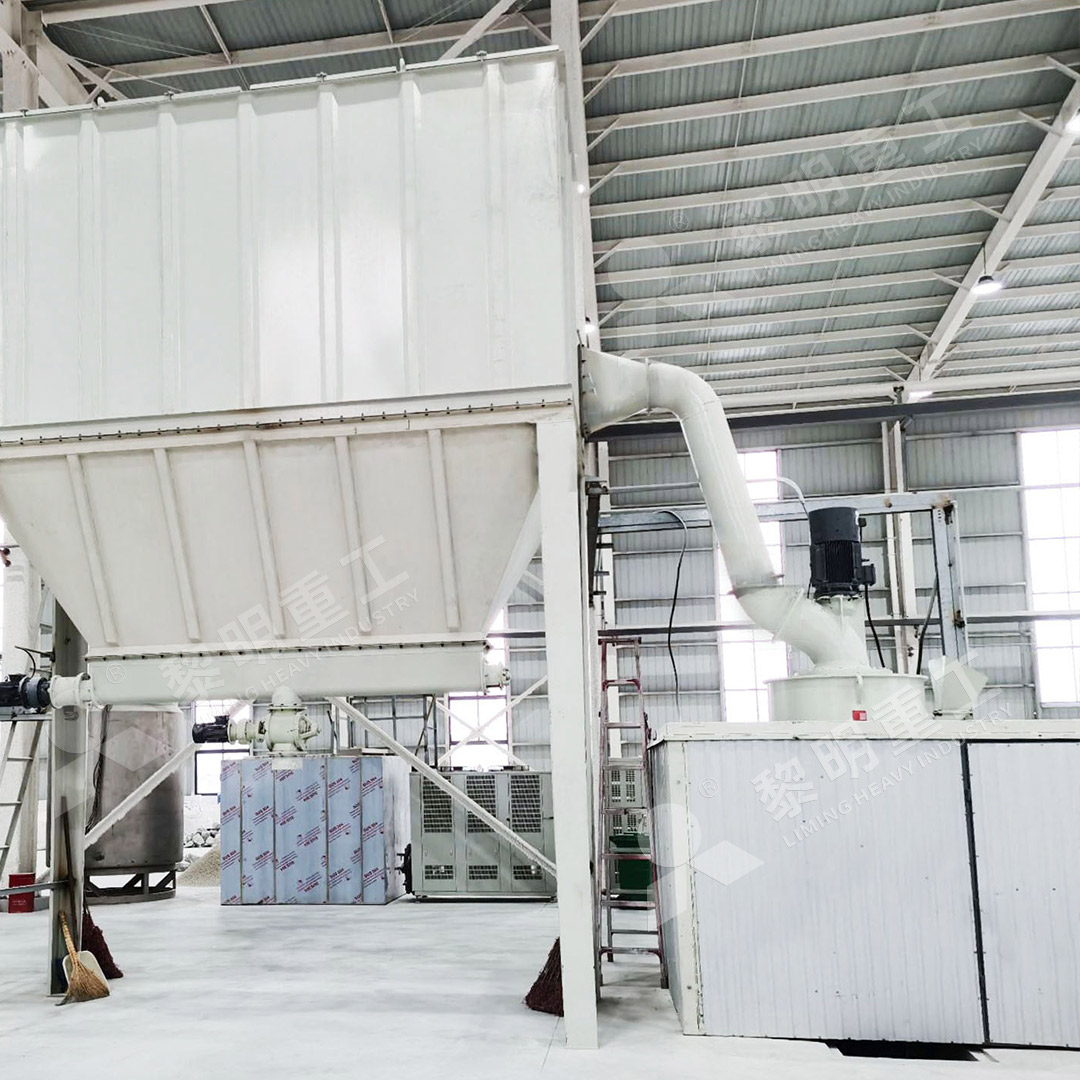
For instance, our MW Ultrafine Grinding Mill is engineered to adress these exact challenges. It is specifically designed for customers requiring ultra-fine powder between 325-2500 meshes. A key advantage is its significantly higher yield and lower energy consumption; it offers production capacity 40% higher than jet mills and double that of a ball mill, while system energy consumption is only 30% of a jet mill. Its innovative design, featuring a cage-type powder selector and the absence of rolling bearings in the grinding chamber, ensures precision, reliability, and minimal maintenance.
Choosing the Right Mill for Your Operation
Selecting between a ball mill and a more advanced system like the MW Ultrafine Grinding Mill depends on your material, desired fineness, capacity requirements, and total operational cost goals. Ball mills excel in robustness and general-purpose grinding. However, for dedicated, high-volume production of superfine powders with strict environmental and efficiency standards, a specialized mill is the superior choice.
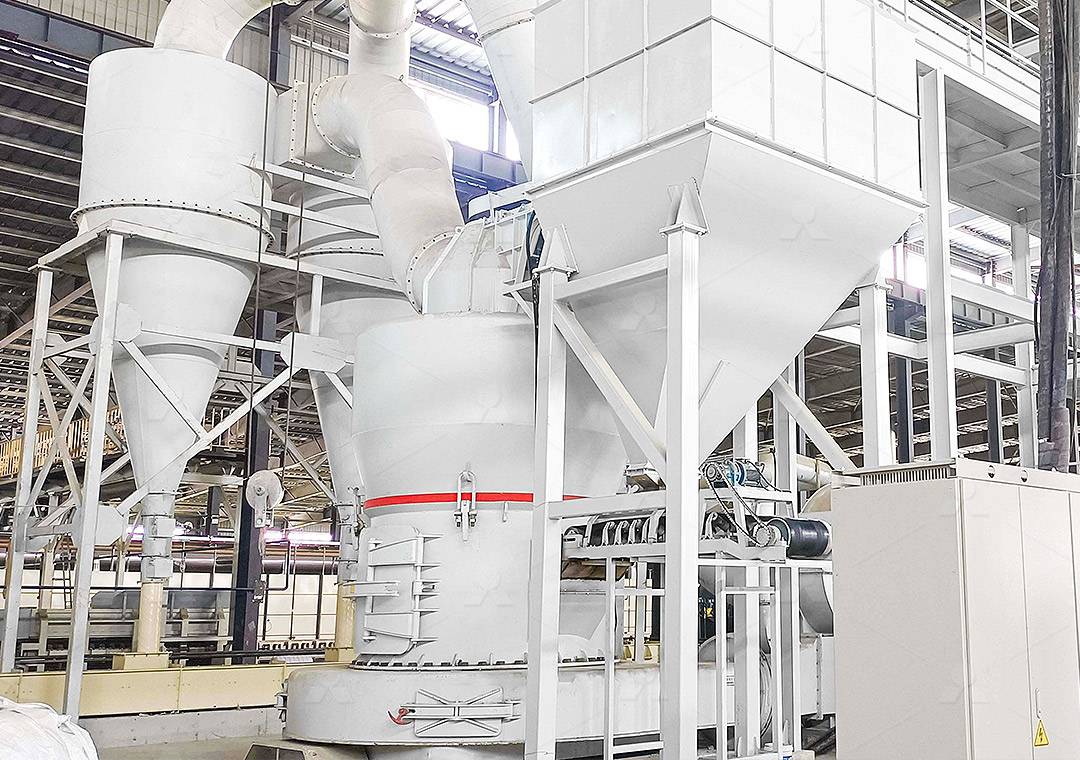
Another excellent option from our portfolio is the LUM Ultrafine Vertical Grinding Mill. It integrates grinding, grading, and transporting into a single unit, featuring advanced roller technology and multi-head powder separating for exceptional energy savings of 30%-50% compared to conventional mills. Its reversible structure also simplifies maintenance dramatically.
In conclusion, understanding the construction and limitations of the traditional ball mill is essential. However, embracing modern grinding technologies can unlock new levels of efficiency, product quality, and cost-effectiveness for your operations. We recomend reviewing detailed specifications to find the perfect match for your grinding needs.