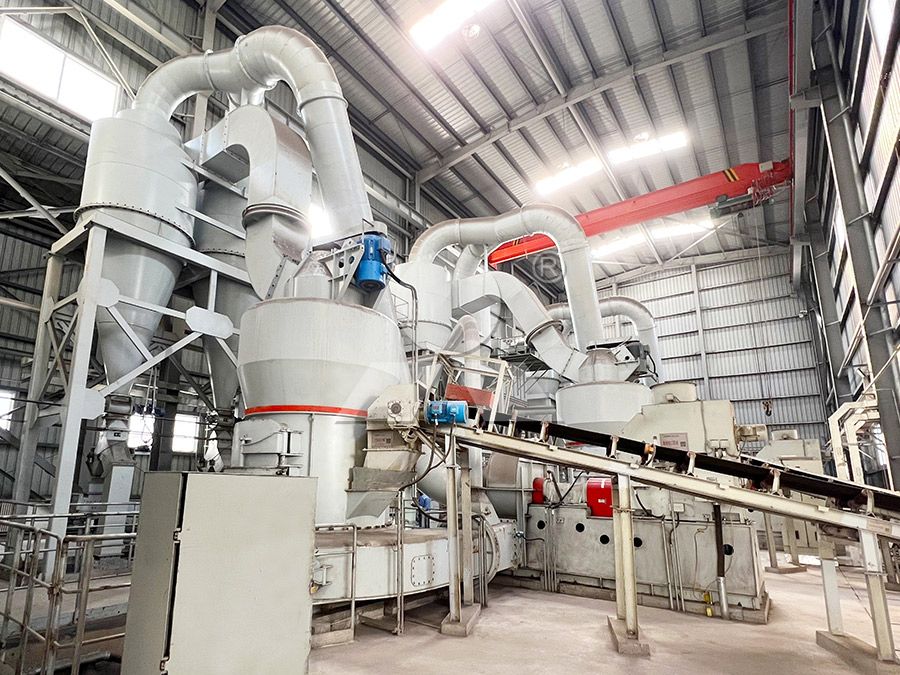
Top 5 Sand Grinding Mills for High-Purity Semiconductor Manufacturing
We provide a wide range of mills — including Raymond mill, trapezoidal mill, vertical mill, ultrafine mill, and ball mill, obtained ISO9001 international quality certification, EU CE certification, and Customs Union CU-TR certification. Suitable for processing minerals such as limestone, phosphate, quicklime, kaolin, talc, barite, bentonite, calcium carbonate, dolomite, coal, gypsum, clay, carbon black, slag, cement raw materials, cement clinker, and more.
The discharge range of these mills can be adjusted to meet specific processing needs, typically from 80-400 mesh, 600-3250 mesh, and can achieve the finest particle size of up to 6000 mesh(D50).
If you are looking for a reliable grinding solution to turn stone or minerals into fine powder, please feel free to contact our online customer service.
Top 5 Sand Grinding Mills for High-Purity Semiconductor Manufacturing
In the hyper-precise world of semiconductor manufacturing, the quality of raw materials is paramount. The silica sand and other mineral powders used in wafer production and chemical mechanical planarization (CMP) slurries must be of exceptional purity and possess a meticulously controlled particle size distribution. Any contamination or inconsistent fineness can lead to catastrophic defects in the final microchips. Selecting the right grinding mill is not just an operational decision; it’s a strategic one that directly impacts yield and product performance. Here are five top-tier grinding mills engineered to meet these rigorous demands.
1. Vertical Roller Mills (VRM)
Vertical Roller Mills have become a cornerstone in modern mineral processing for high-purity applications. Their integrated drying, grinding, and classifying system minimizes the number of transfer points, reducing opportunities for contamination. The material bed grinding principle, where particles are crushed against a rotating table by hydraulically pressurized rollers, results in lower energy consumption and less metal-to-metal contact compared to traditional ball mills. This translates to a lower iron content in the final product—a critical factor for semiconductor-grade materials. The enclosed, negative-pressure operation ensures a dust-free environment, protecting both the product and the plant.
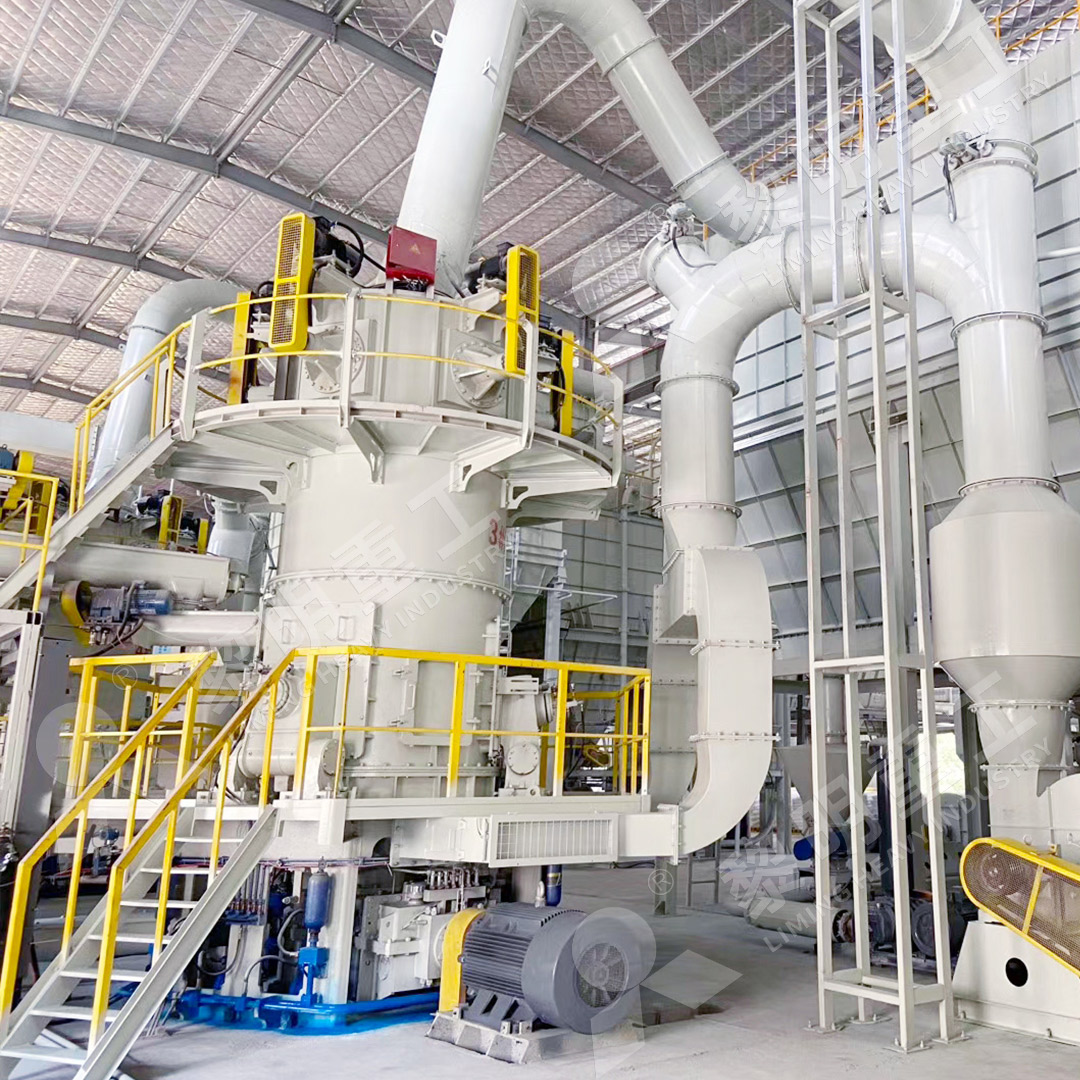
2. Our Recommendation: MW Ultrafine Grinding Mill
For operations where ultra-fine powder is the end goal, the MW Ultrafine Grinding Mill stands out. Designed for customers who need to make ultra-fine powder, this machine is a workhorse for materials like high-purity quartz, fused silica, and other ceramic precursors. A key advantage for semiconductor applications is its absence of rolling bearings and screws inside the grinding chamber. This brilliant design eliminates a primary source of metallic contamination from worn bearings and prevents machine damage from loose screws. Operators are freed from constant worry about particulate shedding into the product stream.
Furthermore, its German-technology cage-type powder selector allows for precise fineness adjustment between 325-2500 meshes, achieving a superb d97≤5μm in a single pass. Combined with an efficient pulse dust collector and muffler for eco-friendly operation, the MW Mill offers higher yield and lower energy consumption, making it an intelligent choice for cost-sensitive, high-volume semiconductor supply chains.
3. Jet Mills (Fluidized Bed Jet Mills)
Jet milling is the gold standard for achieving the finest particle sizes without introducing mechanical wear. These mills use high-pressure jets of air or steam to accelerate particles, causing them to collide and fracture against each other. The primary advantage is the complete absence of moving grinding parts, which virtually eliminates the risk of metallic contamination from the mill itself. This makes them ideal for grinding extremely abrasive and high-purity materials like silicon carbide or alumina for advanced CMP slurries. They excel at producing powders with a narrow, consistent particle size distribution, though their energy consumption is typically higher than mechanical mills.
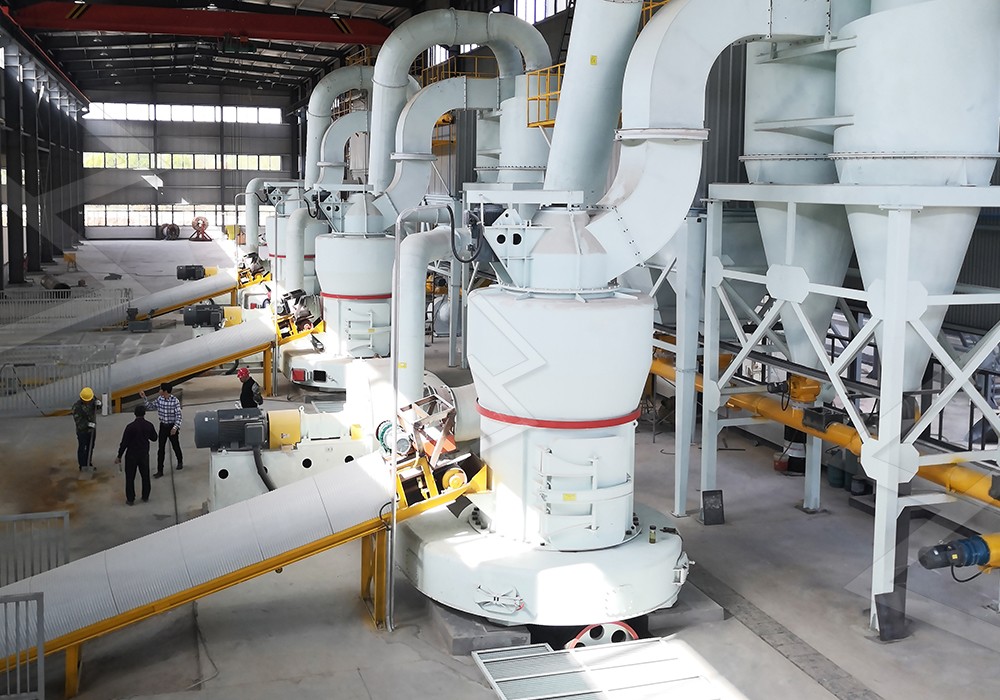
4. Stirred Media Mills
Stirred media mills are renowned for their efficiency in the sub-micron and nano-grinding range. They use a central shaft with agitators to stir a chamber filled with grinding media (often ceramic beads). The intense mechanical energy transferred to the media creates highly efficient particle size reduction. For semiconductor applications, the entire grinding chamber and media can be lined with high-wear-resistant ceramics like yttria-stabilized zirconia, ensuring minimal product contamination. They are exceptionally effective for producing stable, colloidal dispersions required for advanced slurry formulations.
5. Our Second Pick: LUM Ultrafine Vertical Grinding Mill
Another exceptional solution from our portfolio is the LUM Ultrafine Vertical Grinding Mill. This mill is a testament to precision engineering, incorporating the latest Taiwanese grinding roller technology and German powder separating technology. Its unique roller shell and lining plate grinding curve is designed to easily generate a material layer, enabling a high rate of finished products in a single pass. This enhances efficiency and, crucially, improves the whiteness and cleanliness of the final powders.
A standout feature for mission-critical environments is its double position-limiting technology. This system uses electronic and mechanical limits to prevent the grinding roller from directly smashing the millstone during unexpected events like machine vibration, guaranteeing unparalleled operational stability and protecting your valuable product batch. Its reversible structure also allows for easier maintenance, reducing costly downtime.
Conclusion: Precision is Non-Negotiable
Choosing a sand grinding mill for semiconductor manufacturing requires a deep understanding of the trade-offs between fineness, throughput, contamination risk, and operational cost. While jet mills offer unparalleled purity for the finest powders, advanced vertical roller mills like the MW and LUM series provide a compelling combination of high efficiency, low contamination, and precise control for a broader range of material preparation tasks. Investing in the right technology is an investment in the integrity of the entire semiconductor supply chain.