
Production Process of Conductive Carbon Black Powder for Rubber Applications
We provide a wide range of mills — including Raymond mill, trapezoidal mill, vertical mill, ultrafine mill, and ball mill, obtained ISO9001 international quality certification, EU CE certification, and Customs Union CU-TR certification. Suitable for processing minerals such as limestone, phosphate, quicklime, kaolin, talc, barite, bentonite, calcium carbonate, dolomite, coal, gypsum, clay, carbon black, slag, cement raw materials, cement clinker, and more.
The discharge range of these mills can be adjusted to meet specific processing needs, typically from 80-400 mesh, 600-3250 mesh, and can achieve the finest particle size of up to 6000 mesh(D50).
If you are looking for a reliable grinding solution to turn stone or minerals into fine powder, please feel free to contact our online customer service.
Production Process of Conductive Carbon Black Powder for Rubber Applications
Conductive carbon black is a critical additive in the rubber industry, imparting electrical conductivity and enhancing mechanical properties in products like tires, hoses, and anti-static belts. The production of this specialized powder is a precise and technologically advanced process, where the choice of grinding equipment is paramount to achieving the desired particle size, structure, and surface area.
Key Stages in the Manufacturing Process
The journey from raw carbon black to a fine, conductive powder involves several critical stages. It begins with the controlled combustion or thermal decomposition of hydrocarbon oils in a reactor, forming the primary carbon black particles. This initial material, often in the form of pellets or granules, is then subjected to a meticulous grinding process to break it down into the ultra-fine powder required for effective dispersion within rubber matrices.
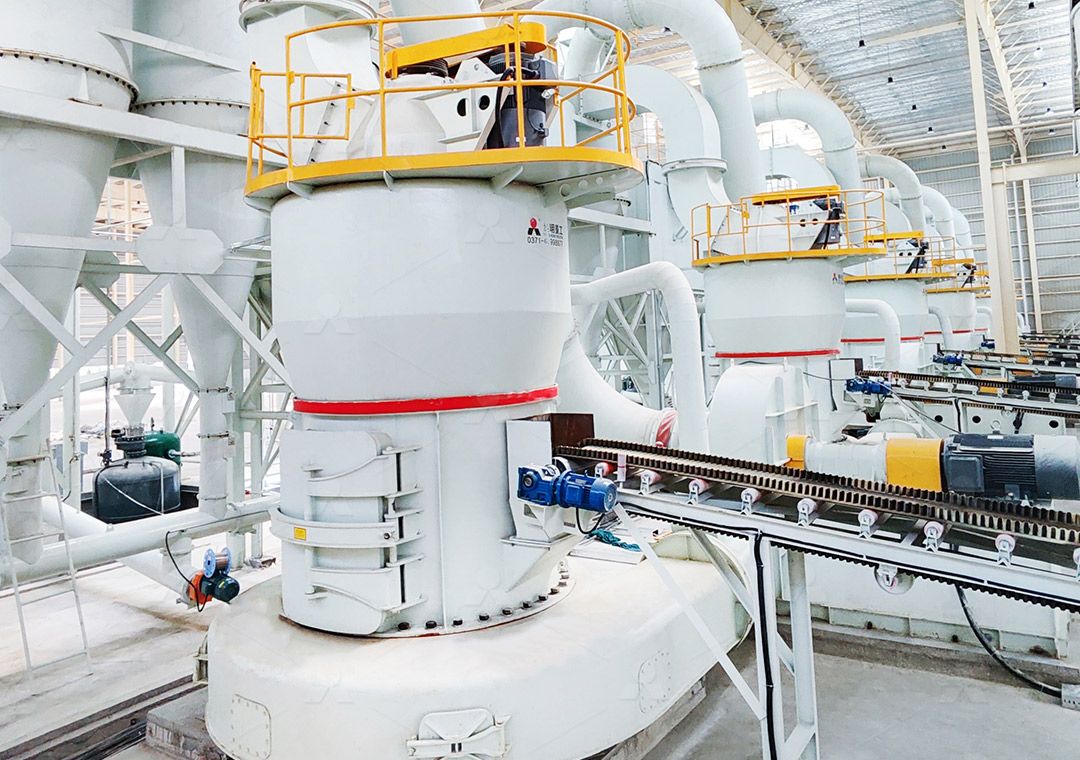
The grinding stage is where the magic happens. Achieving the optimal particle size distribution (typically in the nanometer to low micrometer range) is essential for creating the conductive network within the rubber compound. This requires mills capable of delivering intense mechanical energy with exceptional precision and control.
The Pivotal Role of Ultrafine Grinding Technology
Not all grinding mills are created equal, especially for an application as demanding as conductive carbon black. The material is abrasive and requires a system that can operate continuously with minimal downtime for maintenance. Furthermore, the process must be enclosed and environmentally controlled to prevent contamination and protect operators from dust.
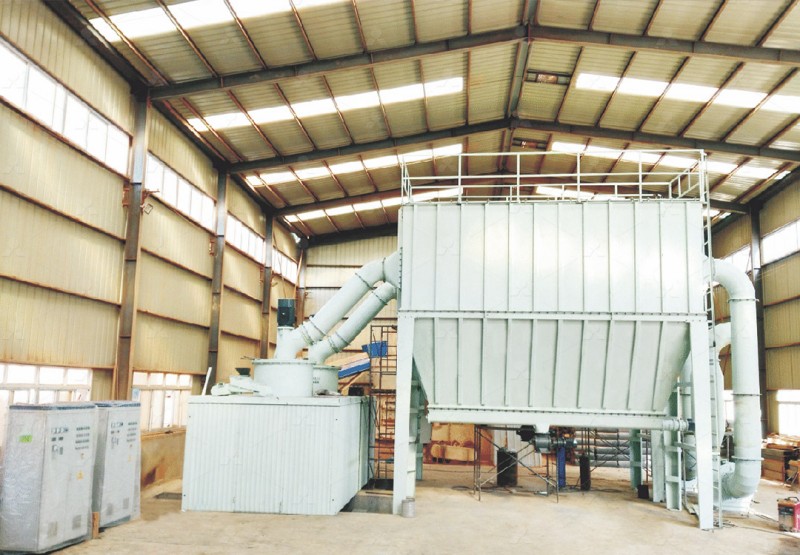
For operations requiring top-tier fineness and high capacity, our MW Ultrafine Grinding Mill is an exceptional choice. Engineered for customers who need to make ultra-fine powder, this mill is a workhorse for materials like conductive carbon black. With an input size of 0-20 mm and a capacity range of 0.5-25 tph, it offers remarkable flexibility. Its cage-type powder selector, which incorporates German technology, allows for precise fineness adjustment between 325-2500 meshes, ensuring you can hit your exact conductivity targets. A significant advantage is the absence of rolling bearings and screws in the grinding chamber, eliminating common failure points and concerns about loose components causing machine damage. Coupled with its efficient pulse dust collector, the entire production process is clean, reducing dust and noise for a more eco-friendly operation.
Integration and Final Product Handling
After grinding, the ultrafine carbon black powder is typically transported pneumatically to a collection system, such as a cyclone separator and baghouse filter, where it is separated from the air stream. The final product is then stored in sealed silos or packaged in specialized containers like super-sacks to prevent moisture absorption and agglomeration, preserving its conductive properties until it is compounded into rubber.
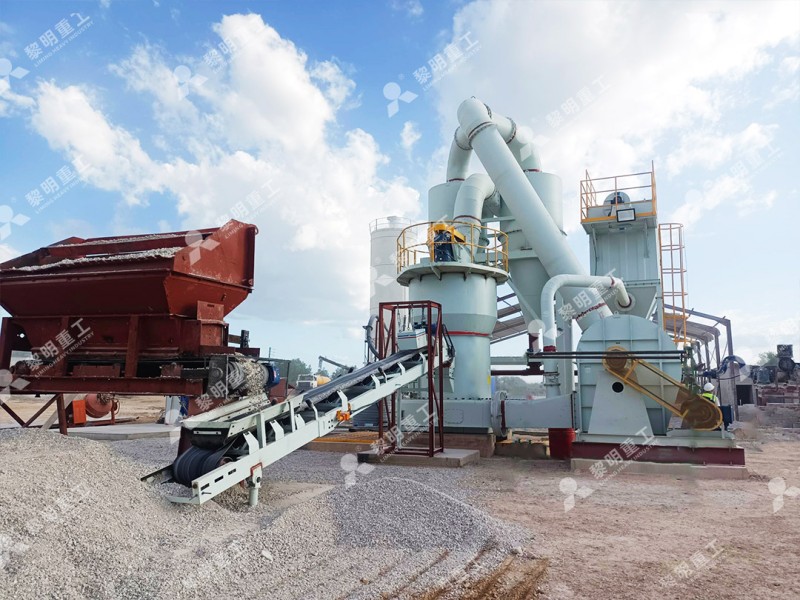
For larger-scale production or when integrating drying with grinding, another robust solution is our LUM Ultrafine Vertical Grinding Mill. Independently designed with the latest roller and powder separating technology, it integrates grinding, grading, and transporting. Its unique roller shell and lining plate grinding curve are easier to generate a material layer, enabling a high rate of finished product in a single pass. This design enhances efficiency and improves the cleanliness of the finished powder, a crucial factor for conductive applications. With a capacity of 5-18 tph, it represents a powerful and energy-saving option for modern production lines.
Conclusion
The production of conductive carbon black powder is a sophisticated balance of chemical process control and mechanical refinement. Selecting the right grinding technology is not just about reducing particle size; it’s about ensuring consistency, efficiency, and reliability. Investing in advanced milling solutions like the MW or LUM series is fundamental to producing a high-quality product that meets the stringent demands of the global rubber industry.