
Which Limestone Grinding Mill to Choose and How Much Does It Cost?
We provide a wide range of mills — including Raymond mill, trapezoidal mill, vertical mill, ultrafine mill, and ball mill, obtained ISO9001 international quality certification, EU CE certification, and Customs Union CU-TR certification. Suitable for processing minerals such as limestone, phosphate, quicklime, kaolin, talc, barite, bentonite, calcium carbonate, dolomite, coal, gypsum, clay, carbon black, slag, cement raw materials, cement clinker, and more.
The discharge range of these mills can be adjusted to meet specific processing needs, typically from 80-400 mesh, 600-3250 mesh, and can achieve the finest particle size of up to 6000 mesh(D50).
If you are looking for a reliable grinding solution to turn stone or minerals into fine powder, please feel free to contact our online customer service.
Which Limestone Grinding Mill to Choose and How Much Does It Cost?
Hey there, fellow industry proffesionals! So, you’re looking into grinding limestone, huh? It’s a common need, but man, can it be confusing to pick the right equipment with all the options out there. The choice really boils down to your desired fineness, capacity requirements, and of course, that all-important budget. Let’s break it down.
Understanding Your Limestone Grinding Needs
First things first, what are you trying to achieve? Are you making coarse powder for agricultural lime or super-fine powder for high-value applications like plastics or paints? The target particle size is your starting point. Then, you gotta consider your hourly throughput. A small operation might only need a couple tons per hour, while a large quarry-side plant might need hundreds.
Other factors include moisture content (is your rock wet or dry?), the hardness of your specific limestone deposit, and how automated you need the system to be. Don’t forget about space constraints and local environmental regulations concerning dust and noise. It’s a lot to juggle!
A Top Contender: The MW Ultrafine Grinding Mill
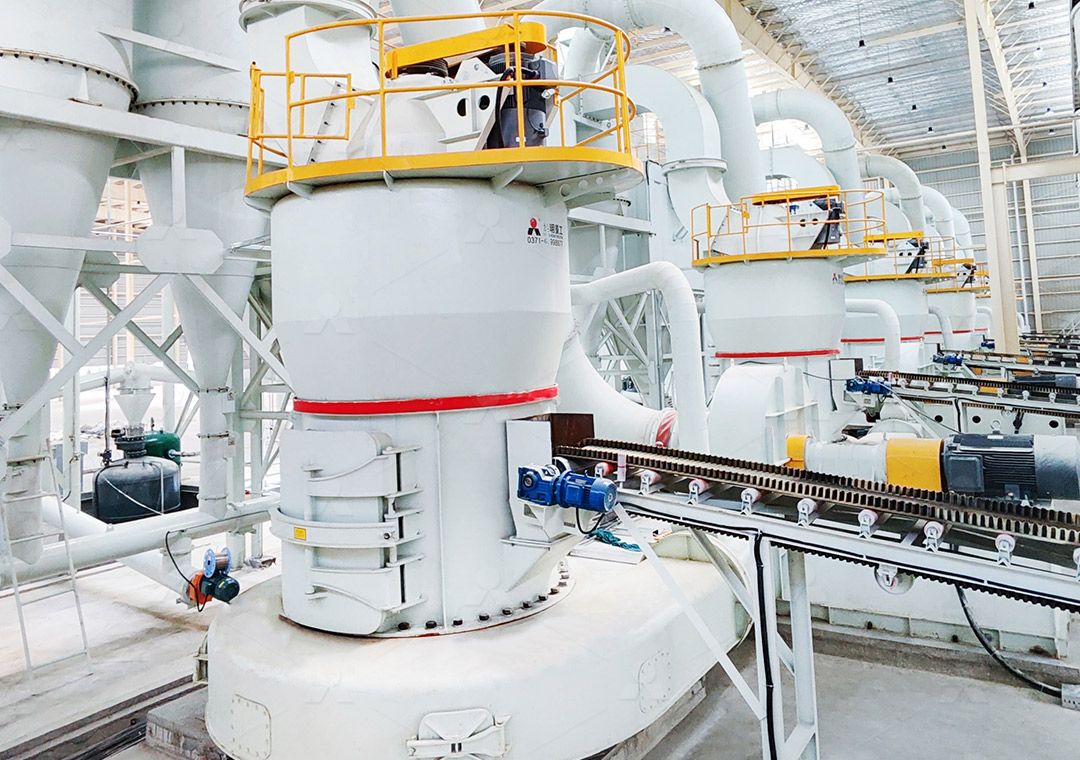
For many operations needing fine to ultra-fine limestone powder, one of our flagship solutions really stands out: the MW Ultrafine Grinding Mill. This machine is a beast designed specifically for customers who need to make ultra-fine powder between 325 and 2500 meshes. Its cage-type powder selector, which uses German tech, is incredibly precise.
What really sets it apart is its efficiency. We’re talking about production capacity being 40% higher than jet mills or stirred mills, and double that of a traditional ball mill, all while using about 30% less energy. That’s a huge win for your operating costs. It also has this brilliant feature where there are no rolling bearings or screws inside the grinding chamber. This might sound technical, but it means way less maintenance and no worries about loose screws causing catastrophic failures. Plus, you can lubricate it externally without even shutting down – perfect for 24/7 operations.
Another Excellent Option: The LUM Ultrafine Vertical Grinding Mill
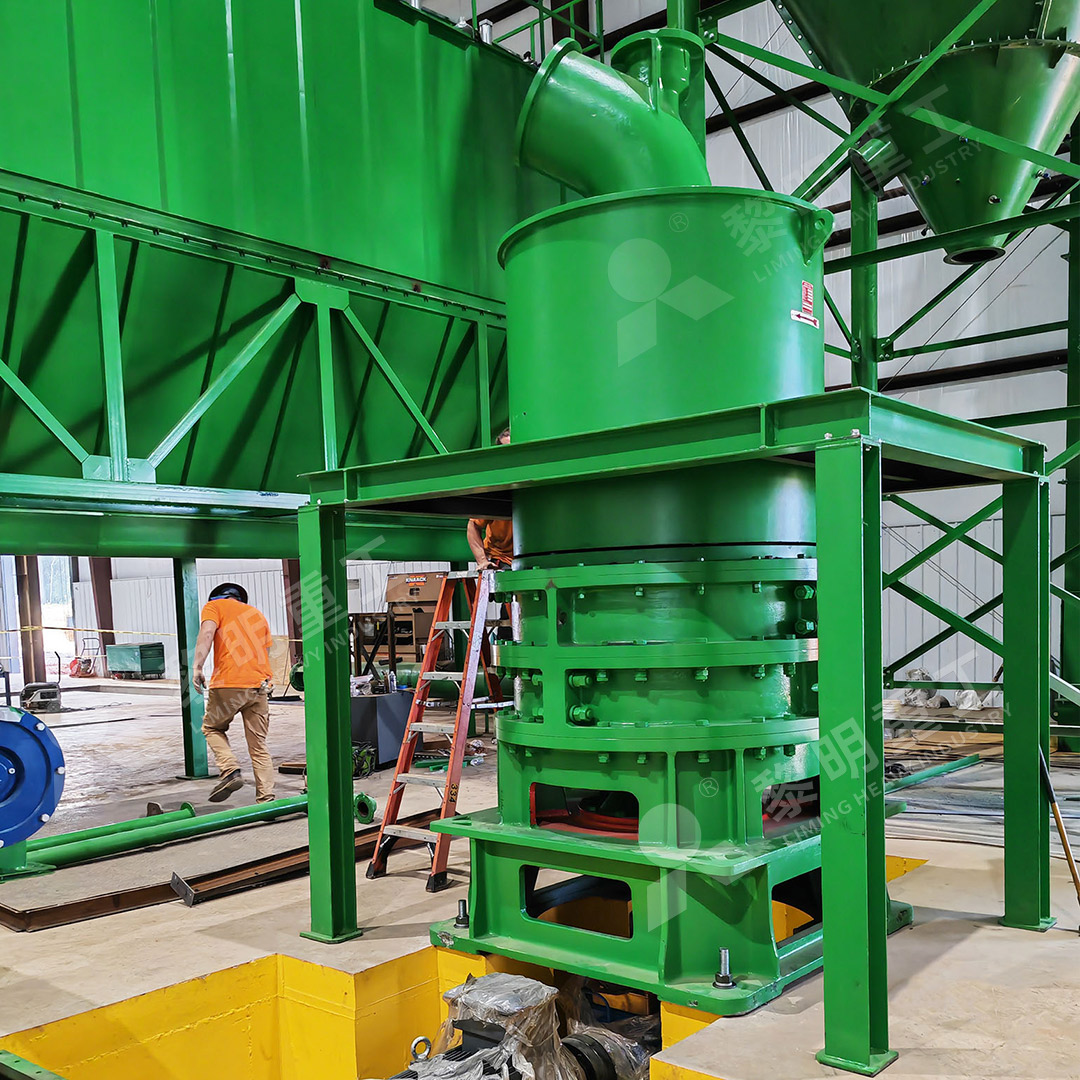
If your input size is a bit smaller (0-10mm) and you need a capacity between 5-18 tph, you should seriously consider our LUM Ultrafine Vertical Grinding Mill. It’s a vertical roller mill that integrates grinding, grading, and transporting. Its unique roller shell and lining plate grinding curve make it easier to generate a material layer, resulting in a higher yield of finished product in a single pass. This often improves the whiteness and cleanliness of the final limestone powder – a big deal for certain markets.
It’s also a champion in energy savings, using 30%-50% less power than common grinding mills thanks to its PLC control system and multi-head powder separating technology. A killer feature for maintenance is its reversible structure. Heavy grinding rollers can be a pain to service, but this design lets you easily roll them out of the mill body for checking or replacing parts, minimizing expensive downtime.
The Million-Dollar Question: How Much Does It Cost?
Alright, let’s talk numbers. I wish I could give you a single price, but it’s just not that simple. A small, basic Raymond mill might start in the tens of thousands of dollars, while a large, fully-equipped, automated vertical roller mill system can easily run into the hundreds of thousands.
The price tag for a mill like our MW or LUM series depends on:
- Model & Capacity: A higher tph rating means a higher initial cost.
- Configuration: Are you buying just the mill, or the whole package including feeders, collectors, and control systems?
- Customization: Specific fineness requirements or special materials might add cost.
- Automation Level: A fully automated, smart system costs more upfront but saves on labor later.
The key is to think Total Cost of Ownership, not just the purchase price. A more energy-efficient mill like the MW might have a higher initial cost but will save you a fortune on electricity over its lifespan. Likewise, a low-maintenance design saves on spare parts and labor hours.
Final Thoughts & Recommendation
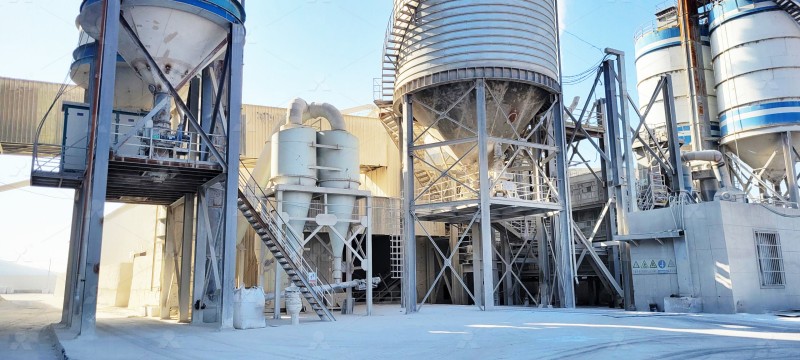
Choosing the right grinder is critical. For most high-volume, fine-grinding limestone applications, we find that vertical roller mills like our MW and LUM series offer the best balance of efficiency, product quality, and long-term operating economy. They’re modern, clean, and built for the demands of today’s industry.
The best way to get an accurate cost is to talk to one of our sales engineers. Give them your specs – desired fineness, capacity, feed size – and they can provide a detailed quote for the right machine configured for your plant. It’s an investment, but choosing the right partner and the right equipment will pay off for years to come.
Hope this clears things up a bit! Don’t hesitate to reach out if you have more questions.