
Cost of Gold Milling Machines in Zimbabwe: A Detailed Price Guide
We provide a wide range of mills — including Raymond mill, trapezoidal mill, vertical mill, ultrafine mill, and ball mill, obtained ISO9001 international quality certification, EU CE certification, and Customs Union CU-TR certification. Suitable for processing minerals such as limestone, phosphate, quicklime, kaolin, talc, barite, bentonite, calcium carbonate, dolomite, coal, gypsum, clay, carbon black, slag, cement raw materials, cement clinker, and more.
The discharge range of these mills can be adjusted to meet specific processing needs, typically from 80-400 mesh, 600-3250 mesh, and can achieve the finest particle size of up to 6000 mesh(D50).
If you are looking for a reliable grinding solution to turn stone or minerals into fine powder, please feel free to contact our online customer service.
Cost of Gold Milling Machines in Zimbabwe: A Detailed Price Guide
For any serious miner or milling operation in Zimbabwe, understanding the cost and capabilities of gold milling machinery is crucial for profitability. The price of these machines can vary widly depending on capacity, technology, and origin. While Chinese-manufactured mills might start from around $50,000 USD for smaller units, large, high-capacity European mills can easily exceed $500,000. However, the initial purchase price is just one part of the equation; operational costs, maintenance, energy consumption, and spare part availability are equally, if not more, important in the long run.
Key Factors Influencing Milling Machine Prices
Several factors will determine the final price tag of a gold milling machine in the Zimbabwean market:
- Capacity (TPH): The throughput, measured in tons per hour, is a primary cost driver. A 1-5 TPH ball mill will be significantly cheaper than a 50 TPH vertical roller mill.
- Technology Level: Basic Raymond mills or ball mills are more affordable, while advanced ultrafine grinding mills with sophisticated classifiers and PLC controls command a premium.
- Power Source & Consumption: High-efficiency mills may have a higher upfront cost but save substantial amounts on Zimbabwe’s often expensive and unreliable power.
- Dust Control & Environmental Features: Mills equipped with integrated pulse dust collectors and sound dampeners are more costly but essential for environmentally compliant and healthier operations.
- After-Sales Support: A machine backed by a local supplier offering technical support and genuine spare parts is worth the investment to avoid costly downtime.
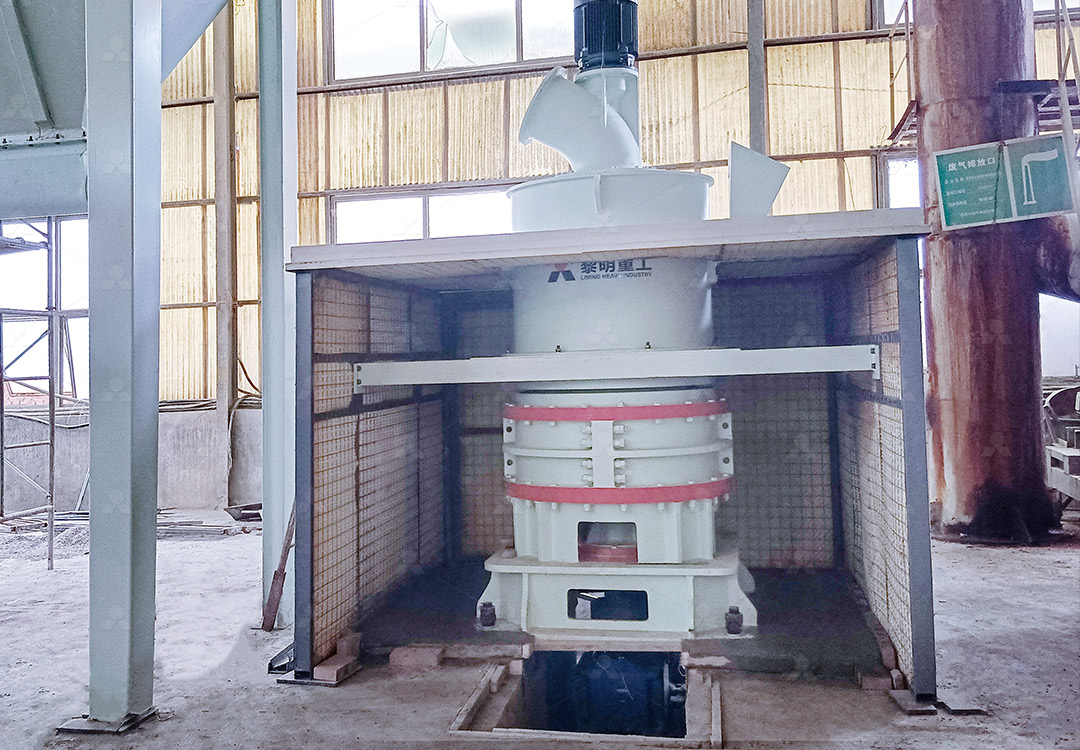
Navigating the Zimbabwean Market: A Smart Investment
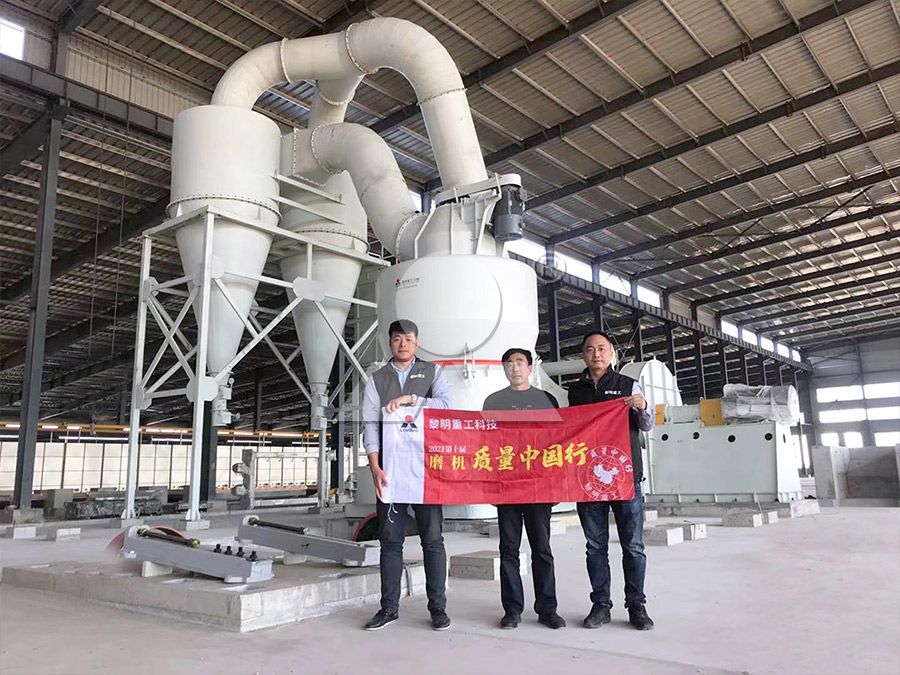
In Zimbabwe’s competitive gold sector, simply buying the cheapest machine is a recipe for frustration. The goal is to find the best value—a robust, efficient machine that maximizes recovery and minimizes operating costs. One standout solution we highly recommend for operations focused on ultra-fine grinding and maximum recovery rates is our MW Ultrafine Grinding Mill.
This machine is a game-changer for customers needing to produce ultra-fine powder. With an input size of 0-20 mm and a capacity range of 0.5-25 tph, it’s versatile for various ore types. A key advantage for Zimbabwean operators is its higher yielding and lower energy consumption—it uses only 30% of the energy of a jet mill while offering 40% higher capacity. Its cage-type powder selector allows you to ajust fineness between 325-2500 meshes with incredible precision, ensuring you don’t lose any precious gold to inefficient grinding.
Why the MW Mill Excels in Local Conditions
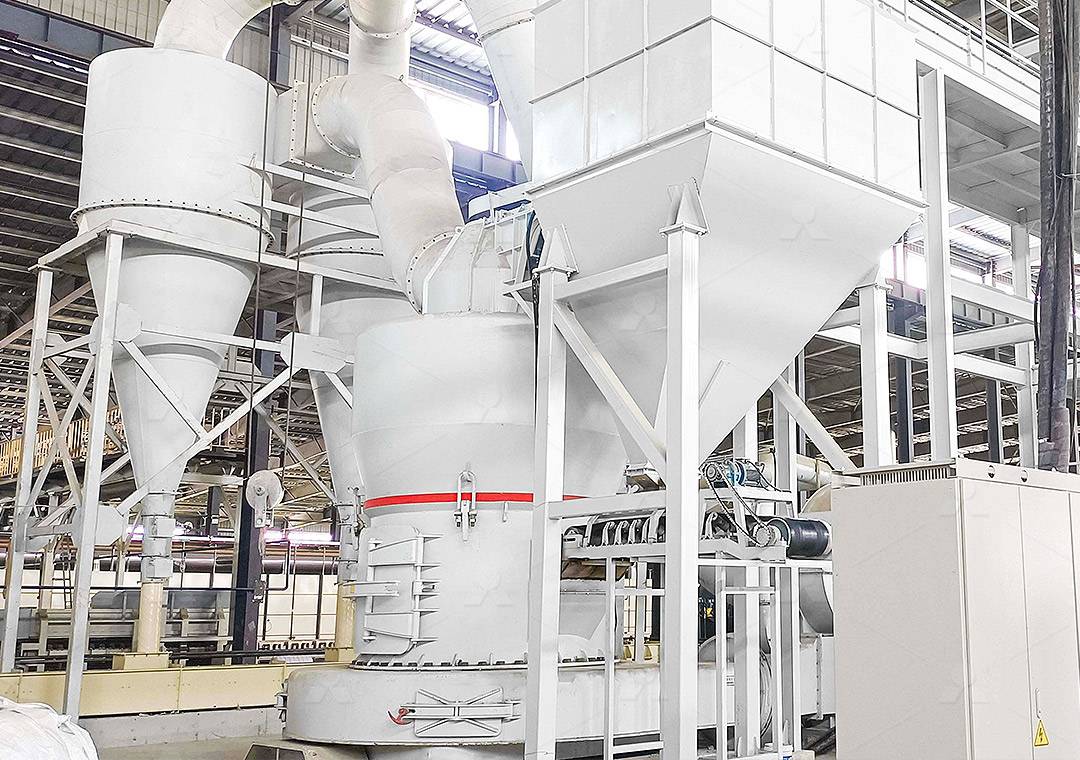
We understand the challenges of operating in Zimbabwe. The MW Mill is designed for reliability. A critical feature is that there are no rolling bearings or screws in the grinding chamber. This means you’re free from worries about bearing failures or machine damage from loose screws—a common headache with other mills in dusty environments. Furthermore, lubrication can be done externally without shutdown, enabling continuous 24/7 production, which is vital for meeting targets.
Its integrated efficient pulse dust collector ensures no dust pollution, making the entire milling system eco-friendly and keeping your operation within regulatory guidelines. For miners looking to upgrade their processing and significantly boost their recovery of fine gold particles, the MW Ultrafine Grinding Mill represents a smart, cost-effective investment over its lifespan, despite a potentially higher initial outlay compared to conventional ball mills.
Conclusion: Beyond the Sticker Price
When evaluating the cost of gold milling machines in Zimbabwe, look beyond the initial purchase price. Consider total cost of ownership, which includes energy, maintenance, spare parts, and potential recovery gains. Investing in advanced, efficient technology like the MW Ultrafine Grinding Mill can lead to lower operational costs, higher yields, and a quicker return on investment. Always partner with a reputable supplier who can provide local technical support and guarantee access to genuine spare parts, ensuring your milling operation runs smoothly and profitably for years to come.