
Feasibility Report for Setting Up a Rice Milling Plant: Cost Analysis & Profit Margin
We provide a wide range of mills — including Raymond mill, trapezoidal mill, vertical mill, ultrafine mill, and ball mill, obtained ISO9001 international quality certification, EU CE certification, and Customs Union CU-TR certification. Suitable for processing minerals such as limestone, phosphate, quicklime, kaolin, talc, barite, bentonite, calcium carbonate, dolomite, coal, gypsum, clay, carbon black, slag, cement raw materials, cement clinker, and more.
The discharge range of these mills can be adjusted to meet specific processing needs, typically from 80-400 mesh, 600-3250 mesh, and can achieve the finest particle size of up to 6000 mesh(D50).
If you are looking for a reliable grinding solution to turn stone or minerals into fine powder, please feel free to contact our online customer service.
Executive Summary
This report analyzes the feasibility of establishing a modern rice milling plant, focusing on initial investment, operational costs, and projected profit margins. The global rice market continues to expand, and efficient milling operations are crucial for profitability. A key finding is that the selection of high-efficiency milling equipment is the primary determinant of both operational cost and final product quality, directly impacting the bottom line.
Initial Capital Investment Breakdown
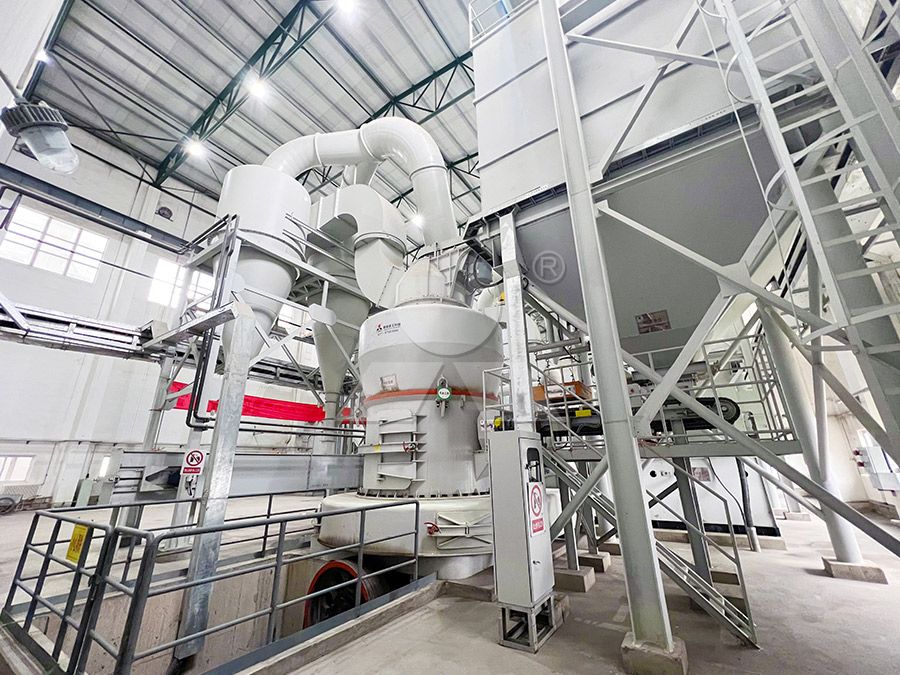
The initial setup cost for a medium-capacity rice milling plant is substantial. Major capital expenditures include land acquisition (if not already owned), construction of the milling shed and storage warehouses, and the procurement of machinery. The single most significant capital outlay is for the milling equipment itself. A complete line includes cleaners, destoners, huskers, paddy separators, whiteners, polishers, graders, and sortex machines. Depending on the desired automation level and capacity (e.g., 2-4 tons per hour), the machinery cost can range from $150,000 to $500,000. Additional costs involve electrical installations, permits, and working capital for the first few months of operation.
Operational Costs & Efficiency
Recurring operational costs include raw paddy procurement, labor, electricity, maintenance, and packaging. Electricity consumption is a major recurring expense, heavily influenced by the efficiency of the milling machinery. Older, less efficient mills can drastically erode profit margins through high power consumption and lower yield percentages. Modern plants prioritize equipment that offers Higher Yielding rates at Lower Energy Consumption. For instance, advanced grinding systems can increase capacity by up to 40% while reducing system energy consumption by 30% compared to older models. This directly translates to a lower cost per ton milled.
Equipment Recommendation: MW Ultrafine Grinding Mill
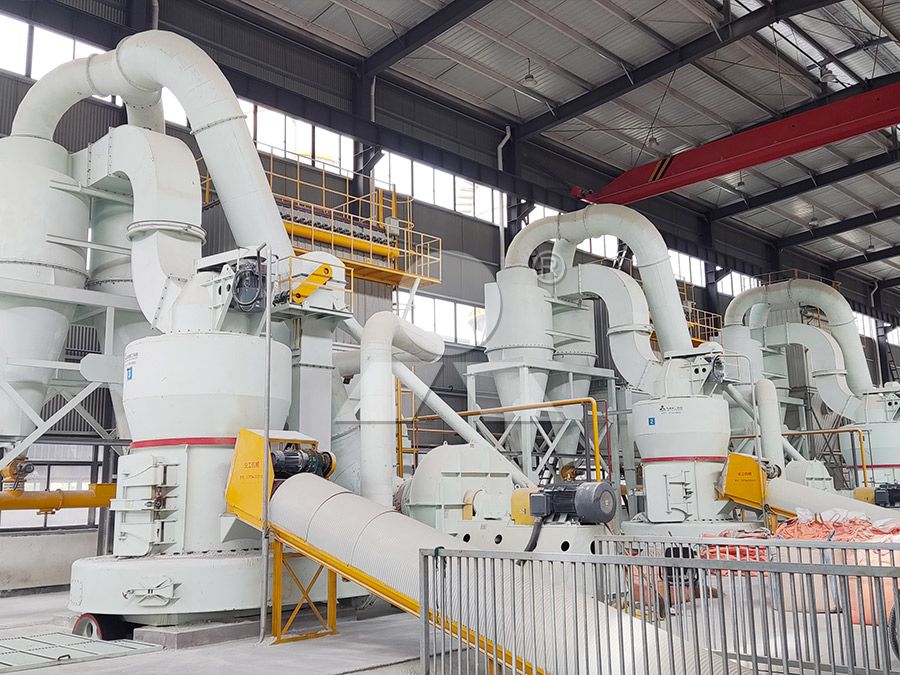
For operations aiming to produce premium-grade rice flour or bran oil, integrating a specialized grinder is essential. We highly recommend our MW Ultrafine Grinding Mill for this purpose. Its design is perfect for creating ultra-fine powder from rice bran or broken kernels. Key advantages include its Adjustable Fineness Between 325-2500meshes, allowing for precise product customization for various food and industrial applications. Furthermore, its design with No Rolling Bearing & Screw in Grinding Chamber eliminates common failure points, ensuring higher uptime and reduced maintenance costs. The integrated Dust Removal by Pulse Collector also ensures the production process is clean and meets environmental standards, which is critical for food-grade processing.
Profit Margin Projection
Profitability is driven by the margin between the cost of paddy and the sales price of milled rice and by-products (like bran). A well-optimized plant can achieve a net profit margin of 8-15%. This hinges on: 1) High milling recovery (whole grain yield), 2) Low operating costs, and 3) Effective marketing of by-products. Using efficient technology like the MW Grinding Mill to process bran into high-value fine powder or flour can create an additional revenue stream, significantly boosting overall profitability. Assuming stable paddy prices and efficient operations, the initial investment can typically be recovered within 3-5 years.
Conclusion and Recommendation
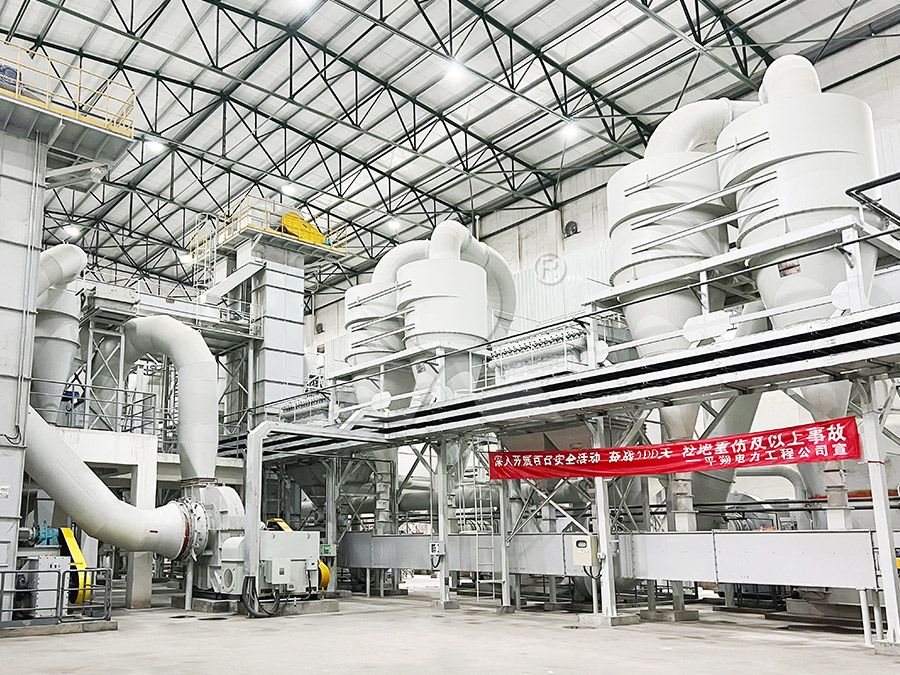
The establishment of a rice milling plant is a capital-intensive but potentially profitable venture. Success is intrinsically linked to investing in modern, energy-efficient, and reliable machinery. This reduces operational costs, maximizes yield, and ensures consistent product quality. We strongly advise basing your equipment selection on proven technology that offers low energy use, high availability, and minimal maintenance. Incorporating versatile systems like the recommended MW Ultrafine Grinding Mill future-proofs the operation by enabling value-added product lines, thereby enhancing long-term profitibility and sustainability.