Made in USA Industrial Grinding Mills and Crushers: A Buyer’s Guide
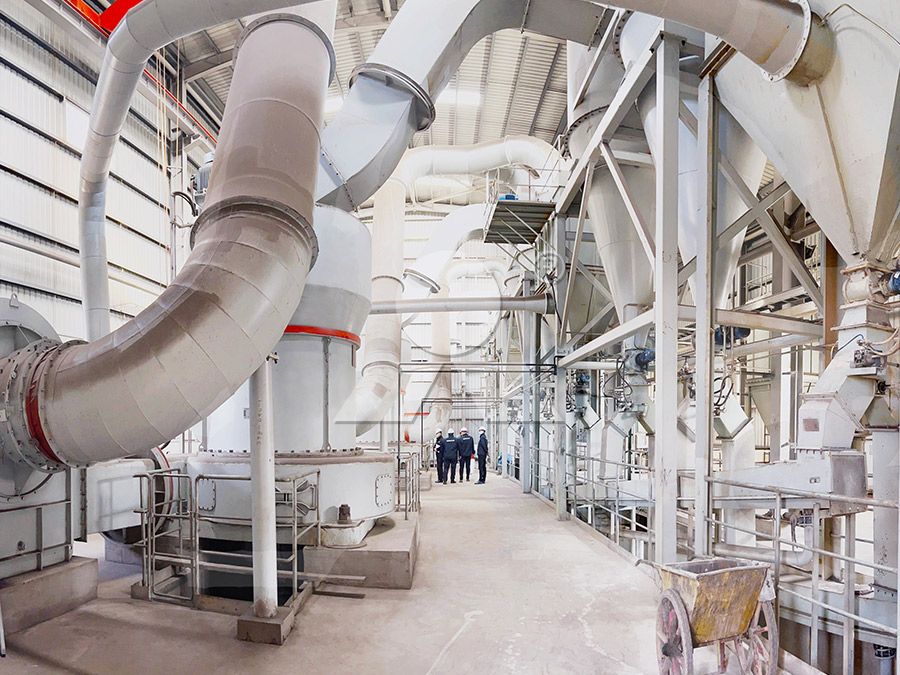
We provide a wide range of mills — including Raymond mill, trapezoidal mill, vertical mill, ultrafine mill, and ball mill, obtained ISO9001 international quality certification, EU CE certification, and Customs Union CU-TR certification. Suitable for processing minerals such as limestone, phosphate, quicklime, kaolin, talc, barite, bentonite, calcium carbonate, dolomite, coal, gypsum, clay, carbon black, slag, cement raw materials, cement clinker, and more.
The discharge range of these mills can be adjusted to meet specific processing needs, typically from 80-400 mesh, 600-3250 mesh, and can achieve the finest particle size of up to 6000 mesh(D50).
If you are looking for a reliable grinding solution to turn stone or minerals into fine powder, please feel free to contact our online customer service.
Made in USA Industrial Grinding Mills and Crushers: A Buyer’s Guide
When it comes to heavy-duty industrial processing, the quality and reliability of your grinding mills and crushers are paramount. For operations that demand precision, efficiency, and durability, American-made equipment often stands out. This guide will walk you through the key considerations and highlight some top-tier machinery built for performance.
Why Choose American-Made?
Selecting machinery manufactured in the USA isn’t just a patriotic choice; it’s a strategic business decision. You’re investing in robust engineering, stricter quality control standards, easier access to technical support, and readily available genuine spare parts. This translates to less downtime, lower long-term maintenance costs, and a machine built to last in the toughest environments.
Key Considerations Before You Buy
Before committing to a purchase, you need to assess your specific needs. What material are you processing? What is your required input size and desired output fineness? What is your target capacity in tons per hour? Answering these questions will narrow down the type of mill you need—be it a vertical roller mill for high capacity, a ball mill for general purpose, or an ultrafine mill for superfine powders.
Other critical factors include the total cost of ownership (not just the purchase price), energy consumption, floor space requirements, and the environmental footprint of the equipment, particularly concerning dust and noise emissions.
Spotlight on Advanced Technology: The MW Ultrafine Grinding Mill
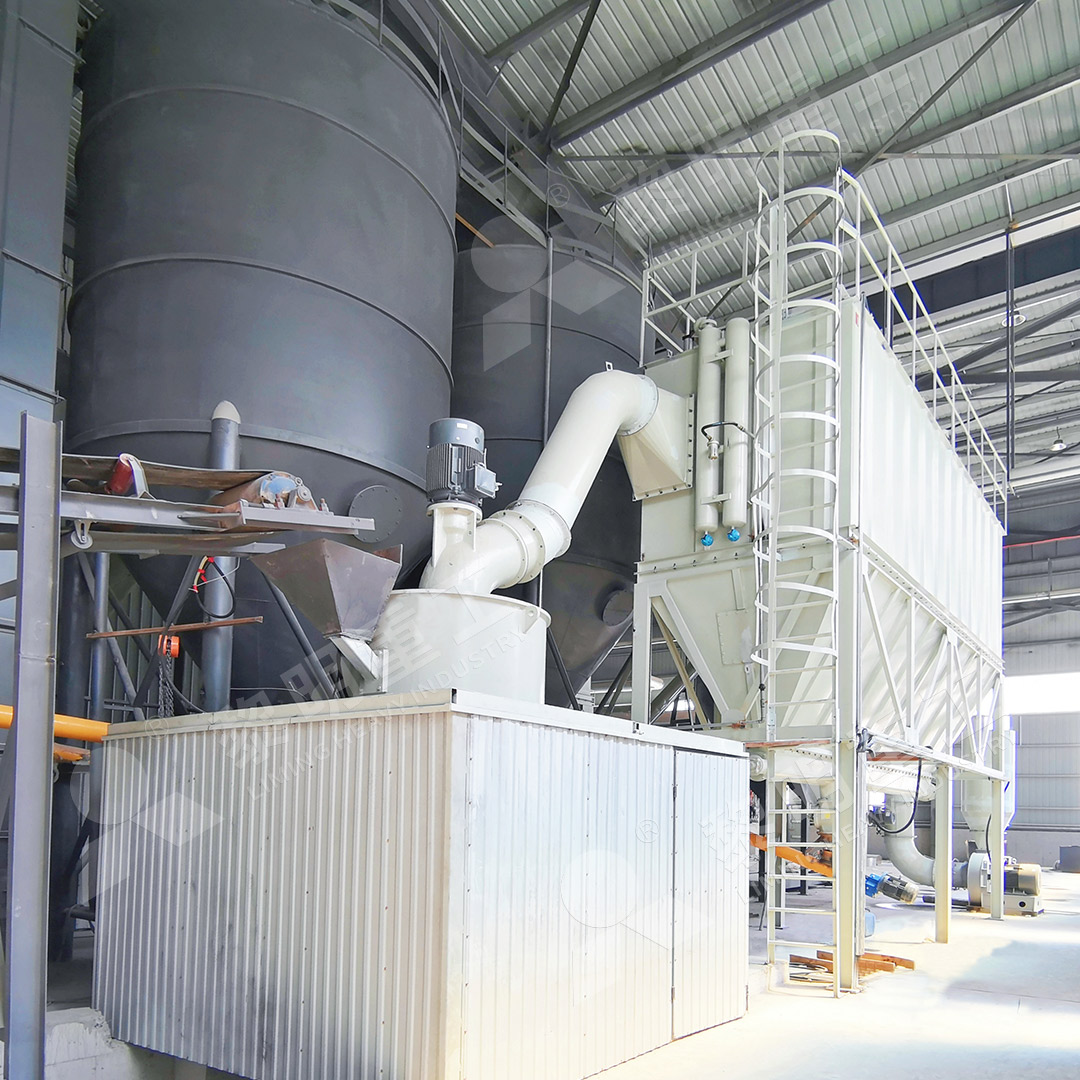
For operations requiring ultra-fine powders between 325 and 2500 meshes, the MW Ultrafine Grinding Mill is a standout peice of American engineering. Designed for customers who need to make ultra-fine powder, this machine is a workhorse for materials like limestone, calcite, dolomite, gypsum, talc, and even cosmetics and food additives.
Its key advantages are impressive. It boasts higher yielding and lower energy consumption, offering 40% higher capacity than jet mills and double the yield of ball mills while using only 30% of the energy. The German-tech cage-type powder selector allows for precise fineness adjustment. A major maintenance benefit is the absence of rolling bearings and screws in the grinding chamber, eliminating common failure points and worries about loose screws causing damage. Furthermore, its efficient pulse dust collector and muffler make operations remarkably eco-friendly by reducing dust and noise, ensuring compliance with national environmental standards.
Another Powerhouse: The LUM Ultrafine Vertical Grinding Mill
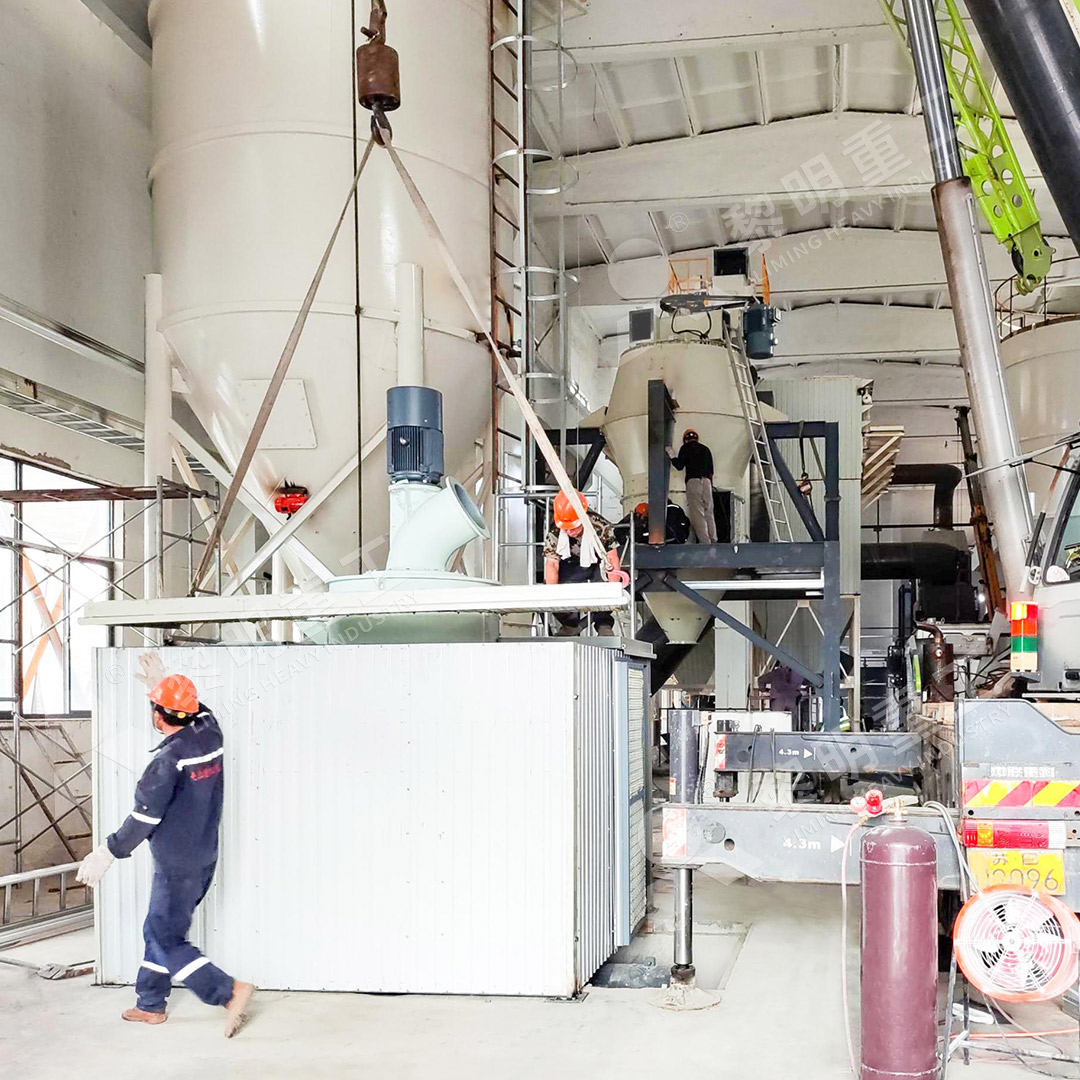
Another excellent option for fine powder production is the LUM Ultrafine Vertical Grinding Mill. Integrating the latest Taiwanese roller and German powder separating technology, this mill is a marvel of efficiency. It features a unique roller shell design that promotes easier material layer formation and a higher rate of finished product in a single pass. Its PLC control system and multi-head powder separating technology make it incredibly energy-efficient, reducing consumption by 30-50% compared to common mills. A standout feature is its reversible structure, which allows heavy grinding rollers to be easily moved out for maintenance, drastically reducing downtime and shutdown losses.
Conclusion: Investing in Performance
Choosing the right grinding mill is a critical investment in your operation’s productivity and profitability. By focusing on robust, American-made equipment like the MW and LUM series from reputable manufacturers, you are not just buying a machine; you are securing a partnership built on reliability, advanced technology, and unwavering support. Always ensure you consult with technical experts to match the mill’s capabilities perfectly with your project requirements.