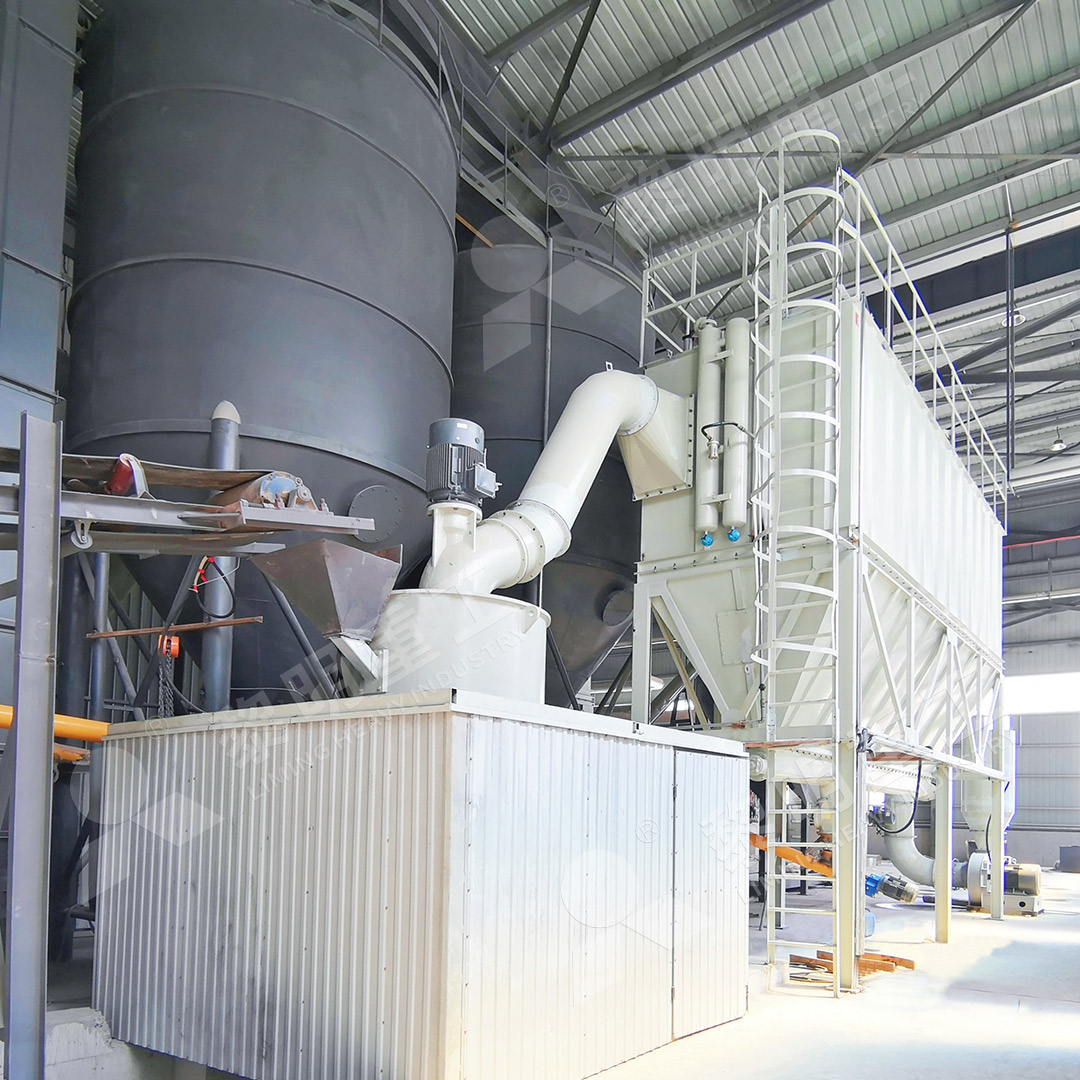
Top Gypsum Crushing Mill Manufacturers in Indonesia for Industrial Processing
We provide a wide range of mills — including Raymond mill, trapezoidal mill, vertical mill, ultrafine mill, and ball mill, obtained ISO9001 international quality certification, EU CE certification, and Customs Union CU-TR certification. Suitable for processing minerals such as limestone, phosphate, quicklime, kaolin, talc, barite, bentonite, calcium carbonate, dolomite, coal, gypsum, clay, carbon black, slag, cement raw materials, cement clinker, and more.
The discharge range of these mills can be adjusted to meet specific processing needs, typically from 80-400 mesh, 600-3250 mesh, and can achieve the finest particle size of up to 6000 mesh(D50).
If you are looking for a reliable grinding solution to turn stone or minerals into fine powder, please feel free to contact our online customer service.
Navigating the Indonesian Gypsum Milling Landscape
Indonesia’s construction and industrial sectors are booming, driving a significant demand for high-quality processed gypsum. This essential mineral is a core component in everything from drywall and cement to soil conditioners and food additives. For industrial operations, the choice of crushing and grinding equipment is paramount to profitability, efficiency, and product quality. While several manufacturers operate within the region and supply to it, selecting a partner with proven technology, reliable support, and machinery built for the specific challenges of mineral processing is crucial.
The ideal gypsum mill must offer a fine and consistent particle size, high throughput capacity, and robust construction to handle continuous operation. Furthermore, with increasing environmental regulations, eco-friendly features like low dust and noise emissions are no longer a luxury but a necessity for sustainable operation.
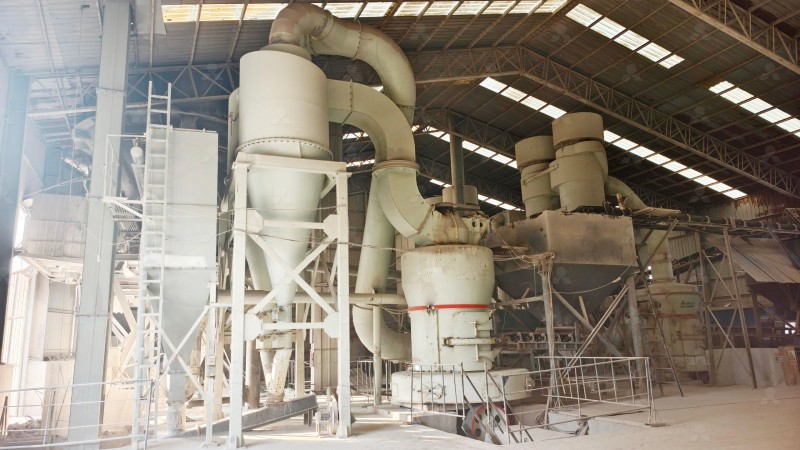
Key Considerations for Gypsum Mill Selection
When evaluating milling equipment for gypsum, several factors come into play. The input size of the raw gypsum rock after primary crushing will dictate the type of secondary grinder needed. Capacity requirements must align with production goals, whether for a large-scale construction materials plant or a smaller operation producing agricultural products. Perhaps most importantly is the final product fineness (measured in meshes or microns), which directly impacts the quality and marketability of the gypsum powder.
Operational costs, including energy consumption and maintenance downtime, are also critical calculatons. A mill that consumes less power per ton of output and offers easy access for part replacement can dramatically improve the bottom line. Leading manufacturers address these concerns with advanced engineering, incorporating features like external lubrication systems and efficient classifying technology.
Spotlight on Advanced Milling Technology
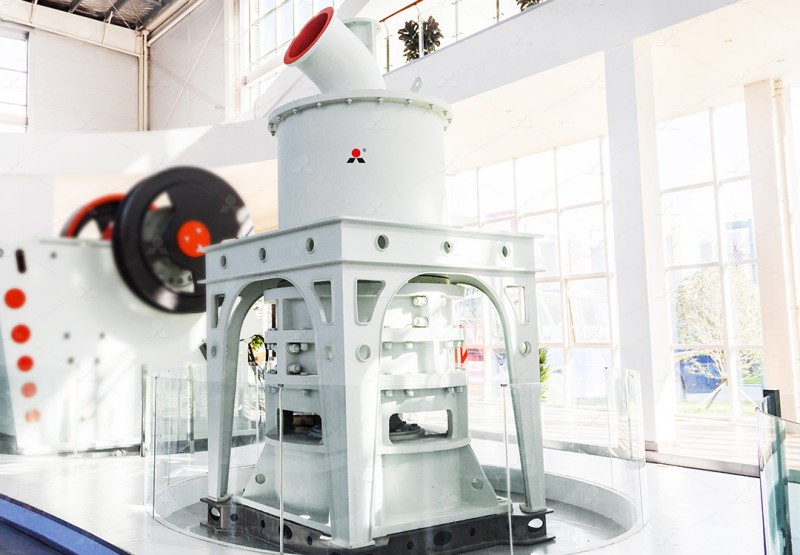
For operations requiring ultra-fine gypsum powder (325-2500 meshes), traditional mills like Raymond or Ball mills often fall short on efficiency and precision. This is where advanced ultrafine grinding mills truly shine. A prime example is our MW Ultrafine Grinding Mill, a peice of equipment designed specifically for customers who need to make ultra-fine powder with higher yielding and lower energy consumption.
This machine is engineered for excellence. Its newly designed grinding curves of the roller and ring enhance grinding efficiency, boasting a production capacity 40% higher than jet mills and twice that of ball mills, while using only 30% of the energy of a jet mill. For gypsum processing, this means a finer product at a significantly lower operating cost. The German-designed cage-type powder selector allows precise adjustment of fineness between 325-2500 meshes, ensuring your product meets exact specifications.
Why the MW Mill Excels in Modern Applications
Beyond efficiency, the MW Mill is built for reliability and ease of operation. A critical design advantage is the absence of rolling bearings and screws in the grinding chamber. This eliminates common failure points and machine damage from loose screws, a frequent headache in high-vibration environments. Maintenance is simplified with an external lubricating device, allowing for lubrication without shutdown and enabling continuous 24/7 production—a key advantage for meeting tight deadlines.
Furthermore, environmental compliance is built-in. The mill is equipped with an efficient pulse dust collector and muffler, ensuring no dust pollution and reducing operational noise. This makes the entire production process organized fully according to national environmental protection standards, a vital consideration for any responsible Indonesian business.
Conclusion: Investing in the Right Technology
The Indonesian market offers tremendous opportunity for gypsum processors. The difference between a profitable, growing operation and one hampered by downtime and high costs often comes down to the technology employed. Investing in advanced, reliable, and efficient milling equipment from a reputable manufacturer is not an expense, but a strategic investment.
By choosing a mill like the MW Ultrafine Grinding Mill, operators can achieve superior product quality, reduce their energy footprint, minimize maintenance costs, and ensure compliance with environmental regulations. It represents the kind of innovative thinking that drives the industry forward.