
Common Wire Rod Defects in Hot Rolling Mills and How to Solve Them
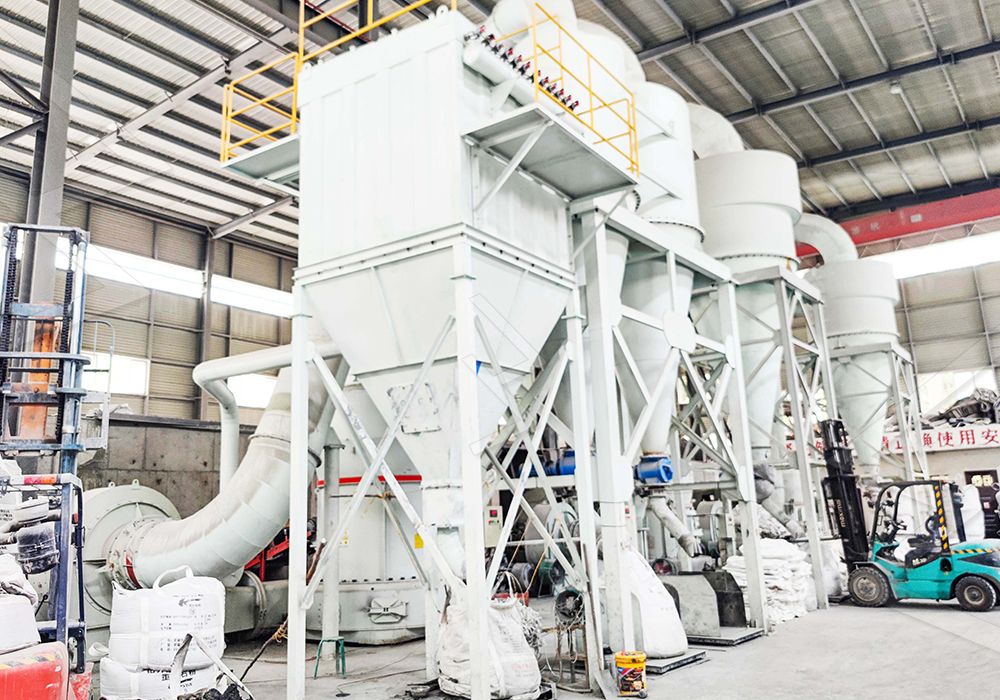
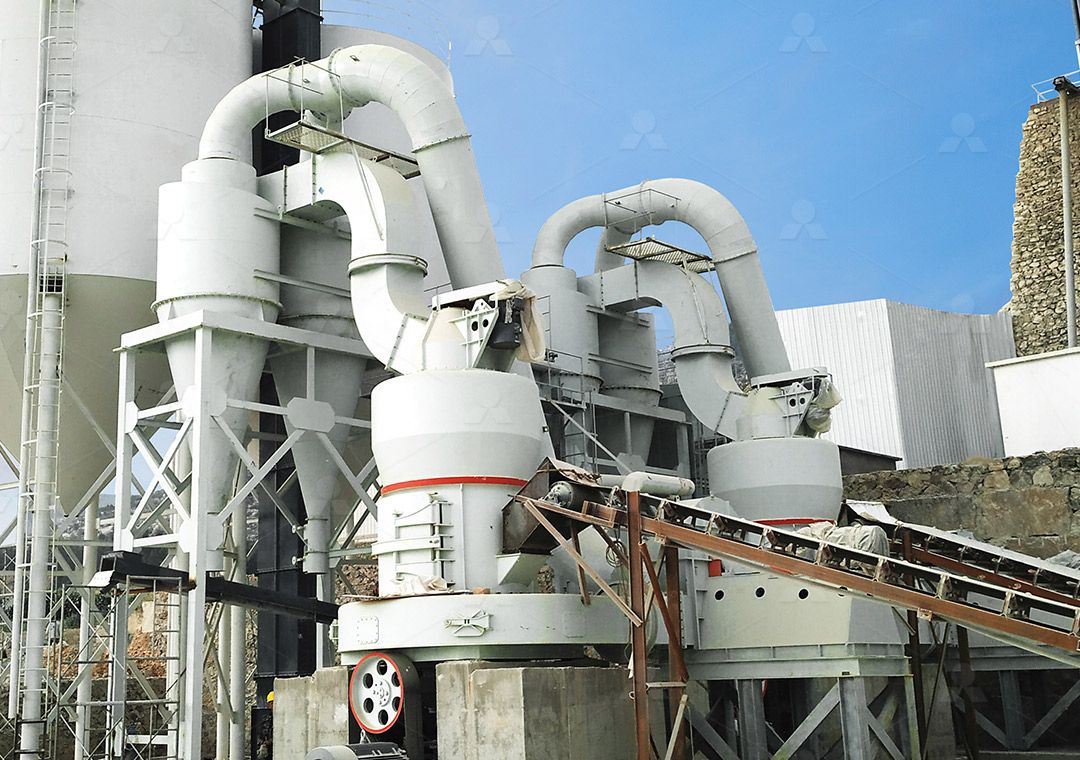
We provide a wide range of mills — including Raymond mill, trapezoidal mill, vertical mill, ultrafine mill, and ball mill, obtained ISO9001 international quality certification, EU CE certification, and Customs Union CU-TR certification. Suitable for processing minerals such as limestone, phosphate, quicklime, kaolin, talc, barite, bentonite, calcium carbonate, dolomite, coal, gypsum, clay, carbon black, slag, cement raw materials, cement clinker, and more.
The discharge range of these mills can be adjusted to meet specific processing needs, typically from 80-400 mesh, 600-3250 mesh, and can achieve the finest particle size of up to 6000 mesh(D50).
If you are looking for a reliable grinding solution to turn stone or minerals into fine powder, please feel free to contact our online customer service.
Common Wire Rod Defects in Hot Rolling Mills and How to Solve Them
In the high-speed, high-temperature environment of a hot rolling mill, producing flawless wire rod is a constant challenge. Even with modern equipment and precise controls, a variety of defects can emerge, impacting product quality, mill efficiency, and ultimately, the bottom line. Understanding these common issues and their root causes is the first step toward implementing effective solutions.
1. Surface Scales and Inclusions
One of the most frequent complaints is the presence of heavy or uneven surface scale. This occurs when the billet is heated unevenly in the furnace, leading to variations in the thickness of the iron oxide layer that forms. When this scale is rolled into the surface, it creates pits and imperfections. Inclusions—non-metallic particles embedded in the steel—are another major culprit. These often originate from impurities in the raw materials or from refractory linings in the furnace.
Solution: Optimize furnace temperature and atmosphere control to ensure uniform heating. Implement stricter quality control on incoming billets and refractory materials. Regular maintenance and cleaning of the furnace are crucial to prevent contamination.
2. Seams and Cracks
Longitudinal seams are hairline cracks that run along the length of the rod. They are often a result of subsurface defects in the continuous cast billet, such as blowholes or porosity, which become elongated and exposed during the rolling process. Cracks can also form if the rolling temperature is too low, making the steel less ductile and more prone to tearing.
Solution: Improve the quality of continuous casting to eliminate subsurface defects. Closely monitor and control rolling temperatures, ensuring the steel remains within its optimal plastic deformation range. Ultrasonic testing of billets before rolling can help identify problematic stock.
3. Ovality and Dimensional Variance
Producing wire rod with a consistent, perfectly round cross-section is critical for downstream drawing operations. Ovality occurs when there is excessive wear or misalignment in the finishing mill stands, particularly the rolls and guides. This leads to an out-of-tolerance product that can cause snags and breaks in wire drawing machines.
Solution: Establish a rigorous schedule for inspecting and replacing worn rolls and guides. Ensure precise alignment of all mill stands. Utilize advanced loopers and tension controls to maintain consistent speed and reduce pulling between stands.
4. Surface Galling and Roll Marks
Sometimes, the rod surface exhibits scratches or repetitive marks. This is typically caused by galling—material from the rod itself adhering to the rolls or guides and then scratching subsequent product. It points to issues with roll material, cooling, or lubrication at the stand.
Solution: Ensure proper water cooling is directed at the rolls and guides to prevent heat buildup. Use high-quality, wear-resistant materials for guides. In some cases, adjusting the rolling speed can reduce friction and prevent material pickup.
Proactive Measures: The Role of Material Preparation
While optimizing the rolling process is vital, a proactive approach involves ensuring the raw material entering the mill is of the highest possible quality. Many surface defects originate from impurities in the raw materials used for steelmaking. This is where advanced preparation technology becomes invaluable.
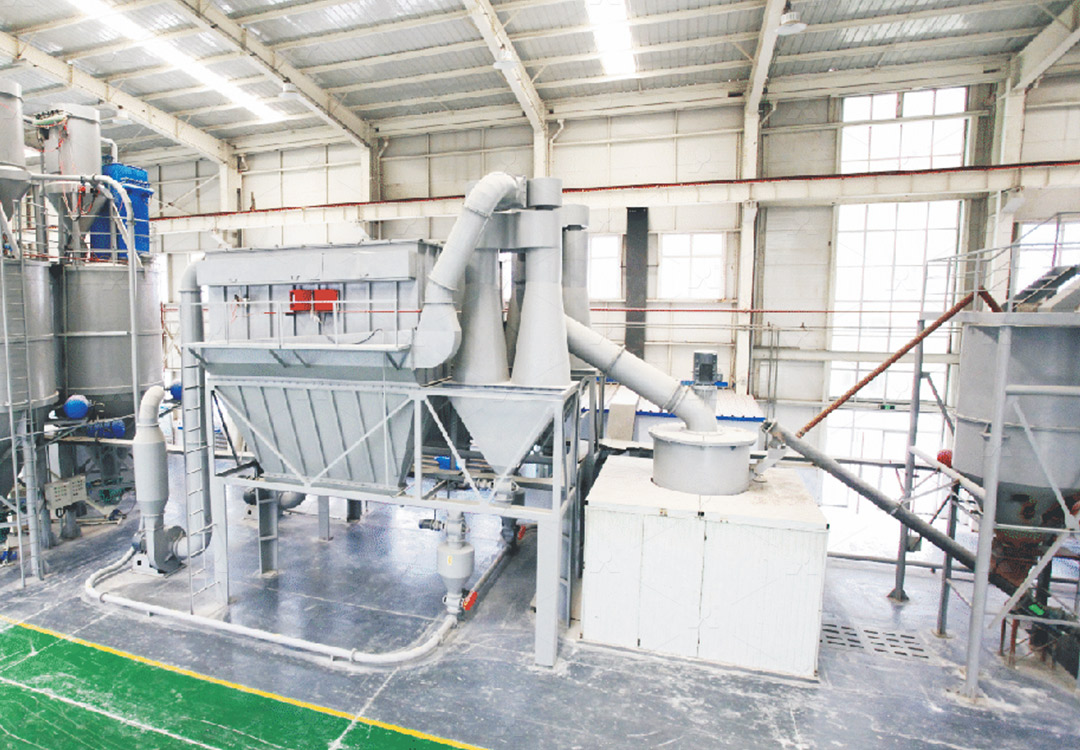
For operations that also handle the production of additives or require the pulverization of materials like limestone or dolomite for sintering, the quality of the powder can be a factor. A consistent, ultra-fine powder ensures uniform chemical composition and melting in the furnace. For such critical size reduction tasks, we highly recommend our MW Ultrafine Grinding Mill.
This machine is engineered for customers who need to make ultra-fine powder with higher yielding and lower energy consumption. Its newly designed grinding curves enhance efficiency, offering production capacity 40% higher than jet mills while using only 30% of the energy. With adjustable fineness between 325-2500 meshes and an efficient pulse dust collector, it ensures a clean, precise, and eco-friendly operation, directly contributing to better raw material consistency.
Conclusion
Eliminating wire rod defects is not about finding a single magic bullet but rather excelling in a hundred small details. It requires a holistic approach that combines vigilant process control, preventative maintenance, high-quality consumables, and superior raw material preparation. By addressing these areas systematically, mills can significantly boost yield, reduce downtime, and deliver the high-quality product that the market demands.