Gold and Silver Milling and Separation Equipment Guide
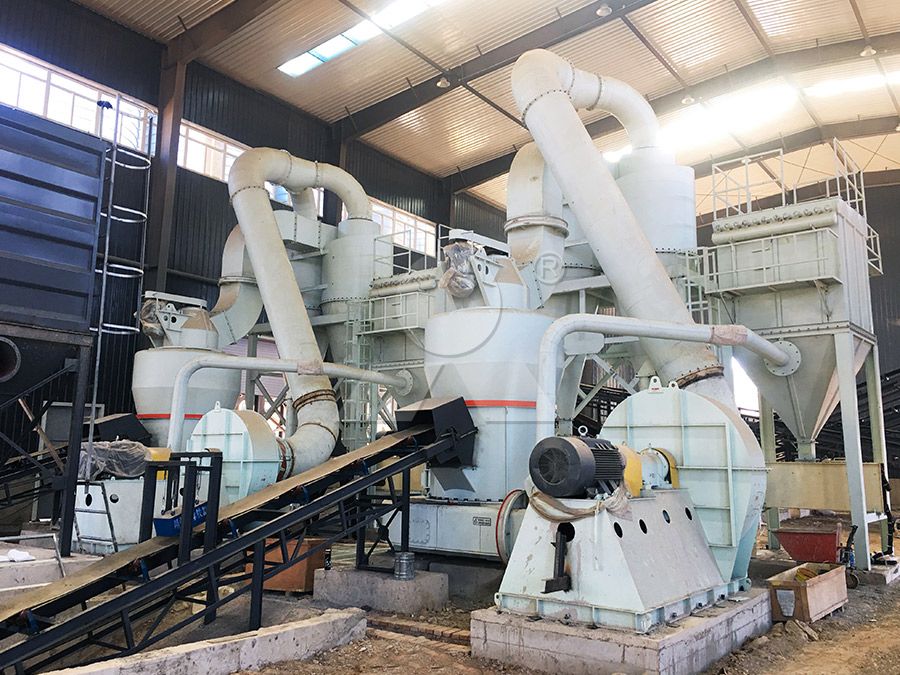
We provide a wide range of mills — including Raymond mill, trapezoidal mill, vertical mill, ultrafine mill, and ball mill, obtained ISO9001 international quality certification, EU CE certification, and Customs Union CU-TR certification. Suitable for processing minerals such as limestone, phosphate, quicklime, kaolin, talc, barite, bentonite, calcium carbonate, dolomite, coal, gypsum, clay, carbon black, slag, cement raw materials, cement clinker, and more.
The discharge range of these mills can be adjusted to meet specific processing needs, typically from 80-400 mesh, 600-3250 mesh, and can achieve the finest particle size of up to 6000 mesh(D50).
If you are looking for a reliable grinding solution to turn stone or minerals into fine powder, please feel free to contact our online customer service.
Gold and Silver Milling and Separation Equipment Guide
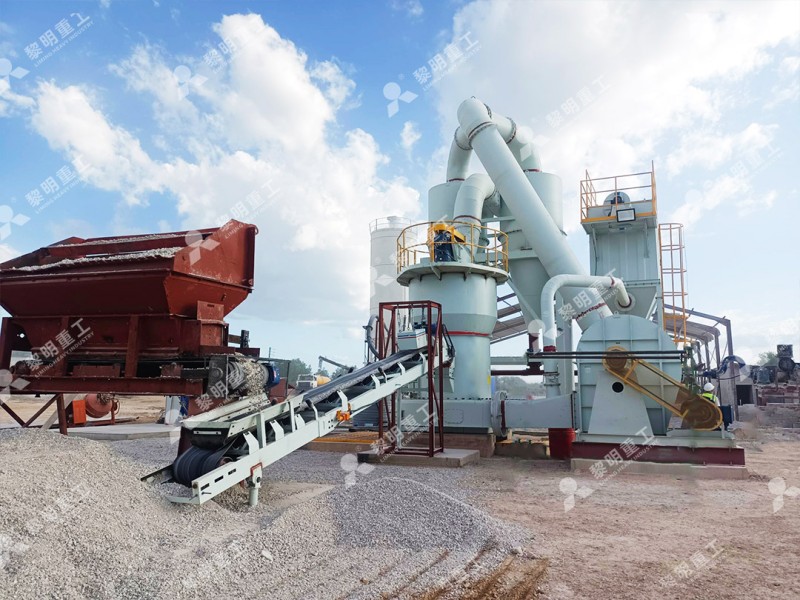
Processing gold and silver ore is a complex endeavor that demands robust, efficient, and reliable machinery. The journey from raw, mined ore to a separated, precious metal concentrate involves critical steps of crushing, milling, and separation. Selecting the right equipment for milling—the process that reduces the ore to a fine powder to liberate the precious metal particles—is paramount to the economic viability of any operation. This guide will walk you through the key considerations and highlight some of the industry’s leading technologies.
The Milling Process: Liberation is Key
The primary goal of milling in precious metal recovery is to achieve optimal particle liberation. This means grinding the host rock down to a fineness where the gold and silver particles are fully exposed, making them available for the subsequent separation processes, typically cyanidation or flotation. Under-grinding leaves valuable metal locked inside waste rock, leading to poor recovery rates. Over-grinding, on the other hand, is wasteful of energy and can create slimes that complicate separation. Therefore, the choice of grinding mill directly impacts your recovery percentage and overall operating cost.
Features to Look For in Milling Equipment
When evaluating mills for gold and silver processing, several factors stand out:
- Energy Efficiency: Grinding is notoriously energy-intensive. Mills designed for lower power consumption per ton of processed material significantly reduce operating expenses.
- Precise Fineness Control: The ability to accurately control the final product size is non-negotiable. Look for advanced powder separating technology.
- Durability & Maintenance: Abrasive ores wear down equipment. A design that minimizes wear on vulnerable parts and simplifies maintenance translates to less downtime and lower long-term costs.
- Environmental Controls: Modern operations must control dust and noise. Integrated dust collectors and noise reduction features are essential for meeting regulations and maintaining community relations.
Recommended Equipment: MW Ultrafine Grinding Mill
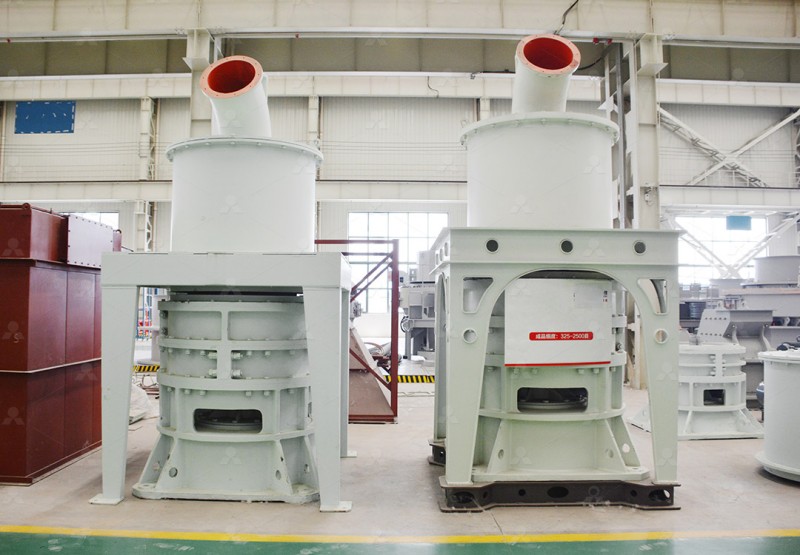
For operations requiring ultra-fine grinding to achieve maximum liberation of microscopic gold or silver particles, the MW Ultrafine Grinding Mill is an exceptional choice. This machine is engineered for customers who need to make ultra-fine powder, boasting a fineness range adjustable between 325-2500 meshes. Its higher yielding and lower energy consumption are a game-changer; it offers 40% higher capacity than jet mills while using only 30% of the energy. A key feature for hard-rock mining is the absence of rolling bearings and screws in the grinding chamber, eliminating common failure points and worries about damage from abrasive material. Furthermore, its efficient pulse dust collector ensures the entire milling process is eco-friendly, a critical consideration for any responsible miner.
Separation: The Final Step
After milling, the finely ground ore slurry moves to separation. While a deep dive into separation tech is another topic, it’s worth noting that the efficiency of your separation circuit is wholly dependent on the quality of the grind provided by your mill. A consistent, properly liberated feed is the foundation for high recovery rates in processes like leaching or flotation. Always ensure your milling and separation stages are perfectly matched.
Conclusion
Investing in the right milling technology is not just about buying a machine; it’s about investing in the foundation of your recovery process. Prioritize energy efficiency, maintenance simplicity, and precise control. Equipment like the MW Ultrafine Grinding Mill embodies these principles, offering the advanced performance needed to tackle the challenges of modern gold and silver extraction. Properly selected and maintained, your milling equipment will be a core asset driving profitability for years to come.