
Vertical Coal Mill vs Horizontal Table Mills: Key Differences Explained
We provide a wide range of mills — including Raymond mill, trapezoidal mill, vertical mill, ultrafine mill, and ball mill, obtained ISO9001 international quality certification, EU CE certification, and Customs Union CU-TR certification. Suitable for processing minerals such as limestone, phosphate, quicklime, kaolin, talc, barite, bentonite, calcium carbonate, dolomite, coal, gypsum, clay, carbon black, slag, cement raw materials, cement clinker, and more.
The discharge range of these mills can be adjusted to meet specific processing needs, typically from 80-400 mesh, 600-3250 mesh, and can achieve the finest particle size of up to 6000 mesh(D50).
If you are looking for a reliable grinding solution to turn stone or minerals into fine powder, please feel free to contact our online customer service.
Vertical Coal Mill vs Horizontal Table Mills: Key Differences Explained
In the world of industrial grinding, the choice between a vertical coal mill and a traditional horizontal table mill (often refered to as Raymond or ball mill types) is a critical one. Each design offers distinct advantages and limitations, impacting everything from floor space and energy consumption to final product quality and operational costs. Let’s break down the key differnces.
Fundamental Design and Operation
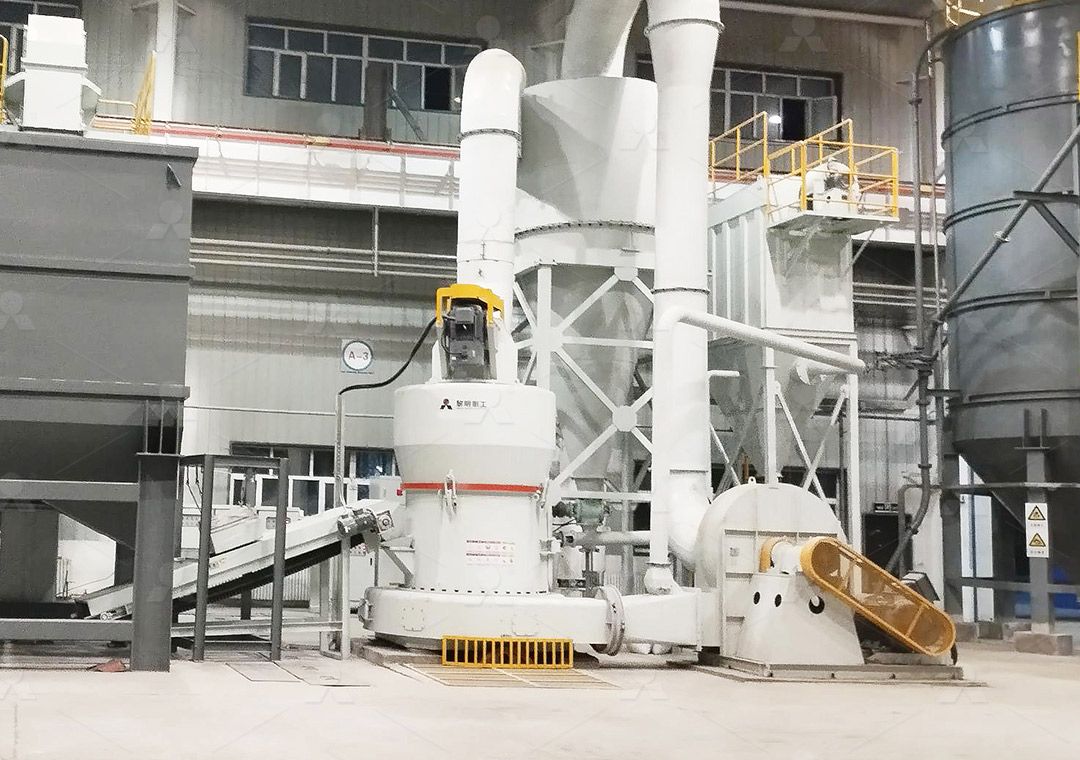
The most obvious difference lies in their orientation. A horizontal table mill, like a classic ball mill or Raymond mill, features a horizontally oriented chamber where grinding media (balls or rollers) tumble and crush material. In contrast, a vertical coal mill stands upright. Material is fed onto a rotating grinding table at the bottom, and rollers (or tires) press down upon the material bed, grinding it against the table. The ground material is then pneumatically conveyed upwards by an air stream for classification.
Key Operational Advantages of Vertical Mills
Vertical mills have become the preferred choice for many modern applications, particularly for coal grinding in power plants and cement production, for several compelling reasons:
- Space Efficiency: Their vertical footprint is significantly smaller, reducing the required floor space by up to 50% compared to a horizontal ball mill system with similar capacity.
- Energy Savings: By utilizing a bed-compression grinding principle rather than impact or tumbling action, vertical mills are vastly more energy-efficient. They can reduce power consumption by 30% to 50%.
- Integrated Drying: Hot gases can be directly introduced into the grinding chamber, allowing for simultaneous grinding and drying of moist materials like raw coal. This eliminates the need for a separate dryer.
- Stable Product Quality & Lower Iron Content: The material residence time is short (2-3 minutes), minimizing over-grinding. Furthermore, the grinding rollers and table do not typically make metal-to-metal contact, drastically reducing iron contamination from mechanical wear.
- Environmental Friendliness: The entire system operates under negative pressure, preventing dust spillage. Combined with efficient pulse dust collectors, this makes for a much cleaner operation.
Where Horizontal Mills Still Shine
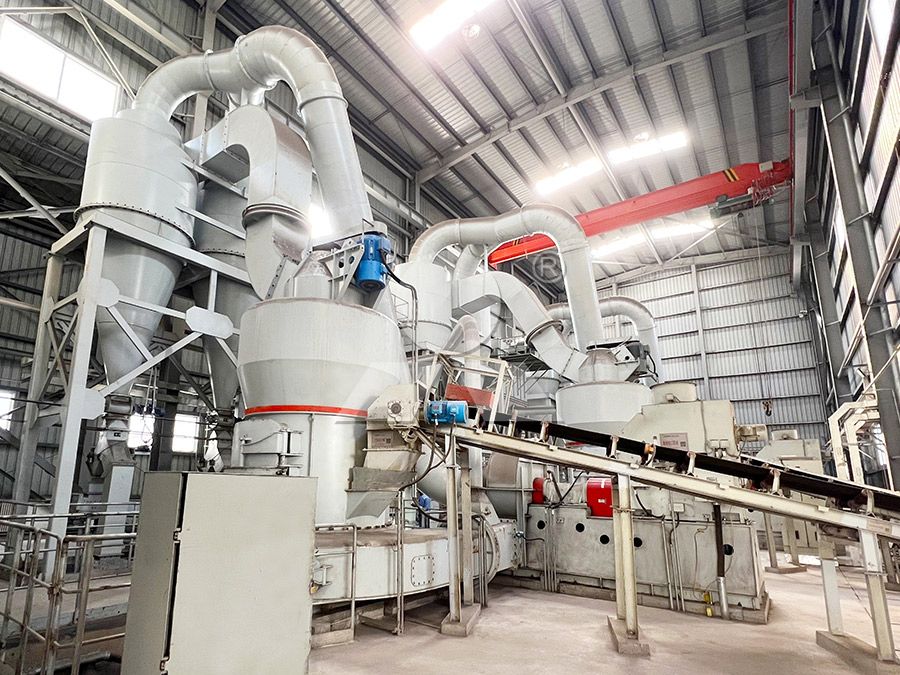
Despite the rise of vertical mills, horizontal designs like our MTW European Trapezium Mill still hold value for specific tasks. They are often simpler in mechanical design, which can translate to lower initial investment for smaller-scale operations. They are also highly versatile and can handle a very wide range of material hardnesses. Their proven technology means maintenance procedures are well-understood by a large pool of technicians.
Choosing the Right Technology for Your Needs
The choice ultimately depends on your specific requirements:
- Choose a Vertical Mill if: Your priorities are high capacity, low energy consumption, integrated drying, minimal space, and producing a clean, consistent product with low iron content. This is ideal for large-scale power generation and cement production.
- Consider a Horizontal Mill if: You need flexibility for grinding a wide variety of materials, have a smaller-scale operation, or are working with a tighter initial capital budget.
Our Recommended Solution: The LM Vertical Coal Mill
For operations focused on efficiency and performance in coal grinding, we highly recommend our LM Vertical Coal Mill. It embodies all the advantages discussed above:
- Capacity: 5-100 T/H, handling feed sizes up to 50mm.
- Key Features: It integrates crushing, drying, grinding, and conveying in a single unit. Its unique design includes a limit device to prevent roller-to-table contact, ensuring stable operation and protecting against severe vibration. The hydraulic system allows grinding rollers to be easily turned out for maintenance, significantly reducing downtime.
- Benefits: You’ll achieve up to 40-50% energy savings compared to ball mills, enjoy stable product quality with narrow particle size distribution, and operate a fully automated, environmentally friendly system.
For superfine powder applications beyond coal, our LUM Ultrafine Vertical Grinding Mill is another excellent choice, offering precise classification down to very fine meshes.
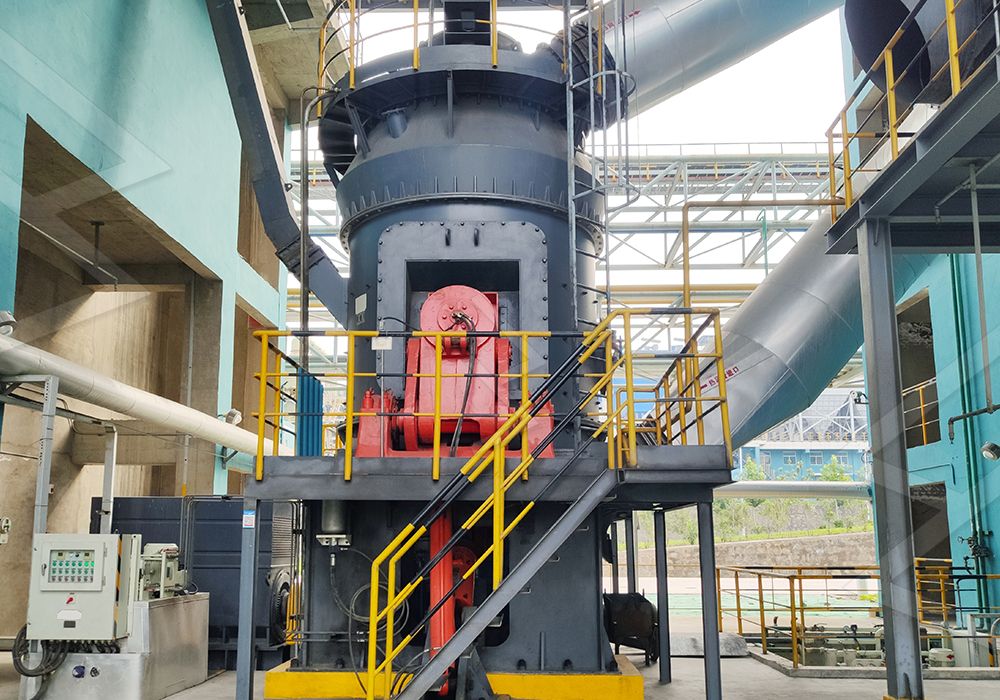
In conclusion, while both vertical and horizontal mills have their place, the trend is decisively toward vertical roller mills for their superior efficiency, lower operating costs, and smaller environmental footprint. Evaluating your production goals, capacity needs, and site constraints will guide you to the optimal grinding solution.