
Calcium Carbide Slag Grinding Mill Selection and Complete Plant Cost Analysis
We provide a wide range of mills — including Raymond mill, trapezoidal mill, vertical mill, ultrafine mill, and ball mill, obtained ISO9001 international quality certification, EU CE certification, and Customs Union CU-TR certification. Suitable for processing minerals such as limestone, phosphate, quicklime, kaolin, talc, barite, bentonite, calcium carbonate, dolomite, coal, gypsum, clay, carbon black, slag, cement raw materials, cement clinker, and more.
The discharge range of these mills can be adjusted to meet specific processing needs, typically from 80-400 mesh, 600-3250 mesh, and can achieve the finest particle size of up to 6000 mesh(D50).
If you are looking for a reliable grinding solution to turn stone or minerals into fine powder, please feel free to contact our online customer service.
Calcium Carbide Slag Grinding Mill Selection and Complete Plant Cost Analysis
Calcium carbide slag, a by-product of acetylene gas production, presents both a disposal challenge and a potential resource. Properly ground, it can be used in construction materials, soil stabilization, and even as a desulfurizing agent. Selecting the right grinding mill is paramount for profitability and operational efficiency. This article delves into the key considerations for mill selection and provides a comprehensive cost analysis for a complete processing plant.
Key Factors in Mill Selection
Choosing the appropriate grinding equipment for calcium carbide slag depends on several critical factors. The feed size, desired capacity, and required final fineness are the primary technical drivers. Carbide slag is typically moist and can be abrasive, necessitating a mill with robust construction and, ideally, integrated drying capabilities. Furthermore, environmental considerations like dust and noise control are no longer optional but mandatory for modern operations.
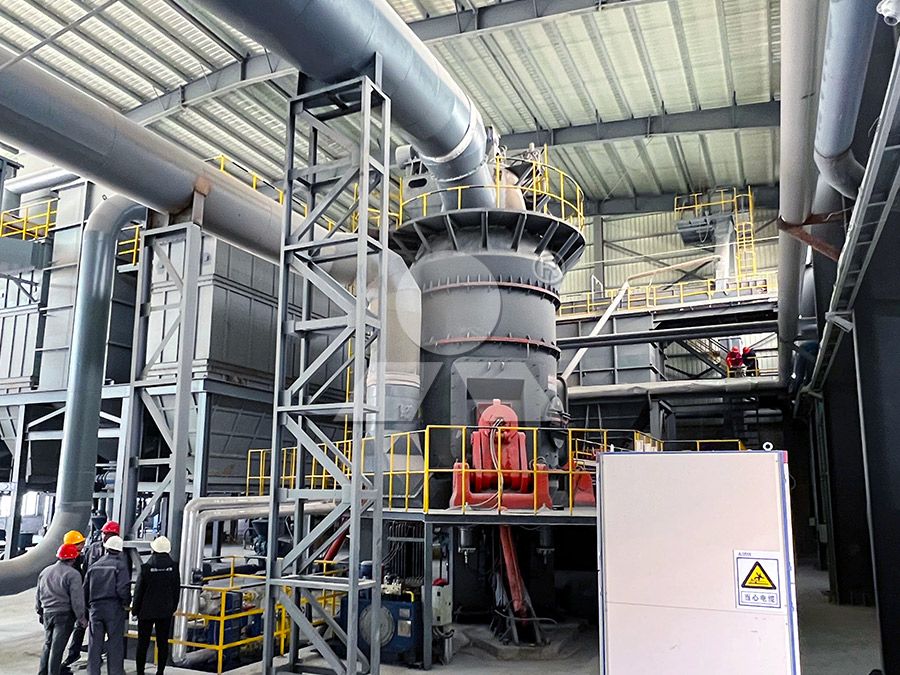
Traditional ball mills, while common, often suffer from high energy consumption, significant wear, and limited efficiency for ultra-fine applications. For modern plants, vertical roller mills and advanced European-type trapezium mills offer superior solutions. They integrate drying, grinding, and classifying, reducing the plant’s footprint and overall complexity.
Recommended Mill for Calcium Carbide Slag
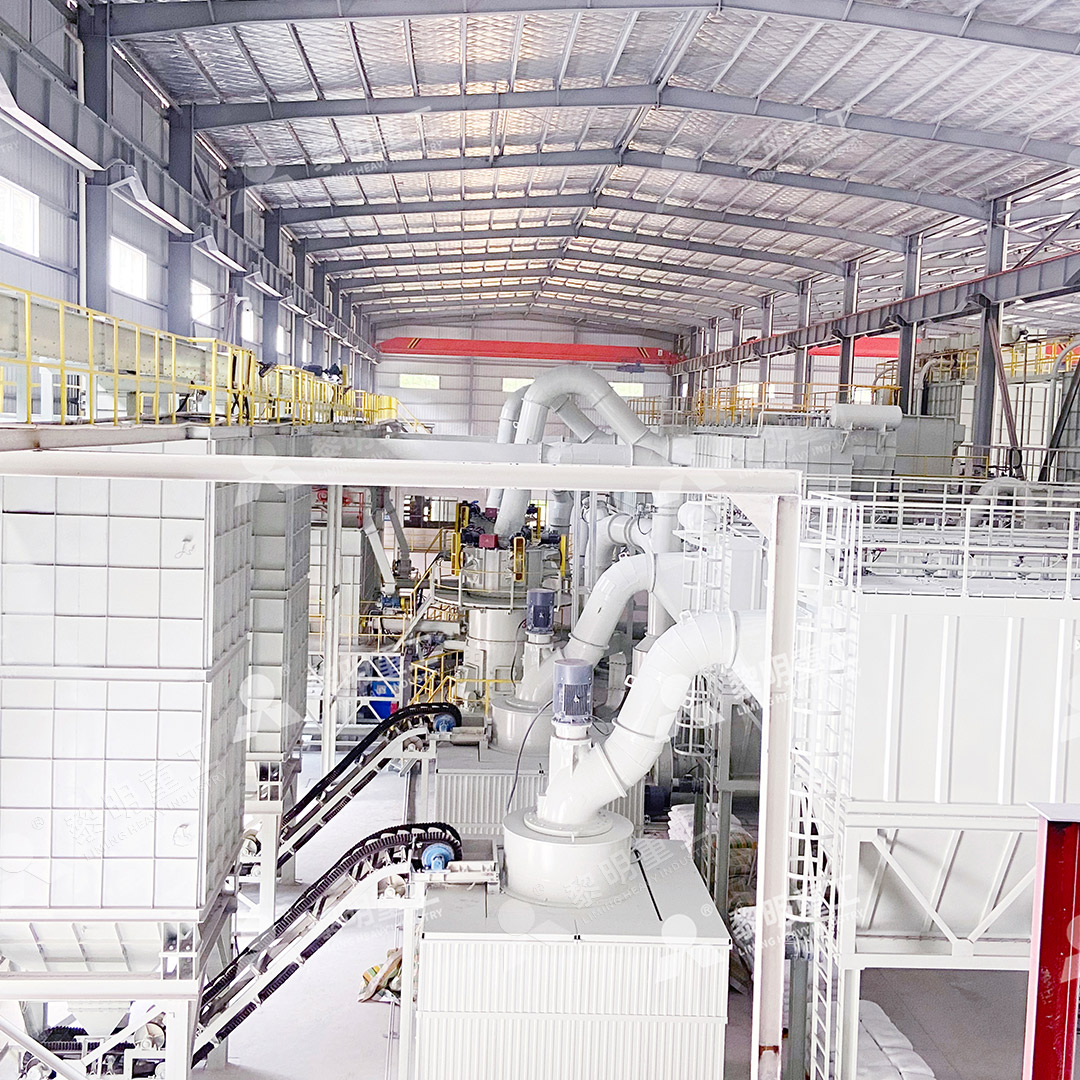
For operations targeting fine to ultra-fine powders (325-2500 meshes) with capacities up to 25 tons per hour, the MW Ultrafine Grinding Mill is an exceptional choice. This machine is specifically engineered for customers requiring high-precision ultra-fine powder. Its design adresses common pain points: it features no rolling bearings or screws in the grinding chamber, eliminating worries about bearing failures or loose screws causing downtime. The cage-type powder selector, leveraging German technology, allows precise fineness adjustment between 325-2500 meshes, achieving a superb d97≤5μm in a single pass.
Operational costs are significantly reduced as its grinding efficiency translates to 40% higher output compared to jet mills and twice the yield of ball mills, while consuming 30% less energy. From an environmental standpoint, its efficient pulse dust collector and muffler system ensure the production process meets stringent national环保标准 (environmental protection standards), making it a responsible and efficient investment.
Complete Plant Cost Analysis
Establishing a complete carbide slag grinding plant involves more than just the mill. Costs can be broken down into capital expenditure (CAPEX) and operational expenditure (OPEX).
Capital Expenditure (CAPEX)
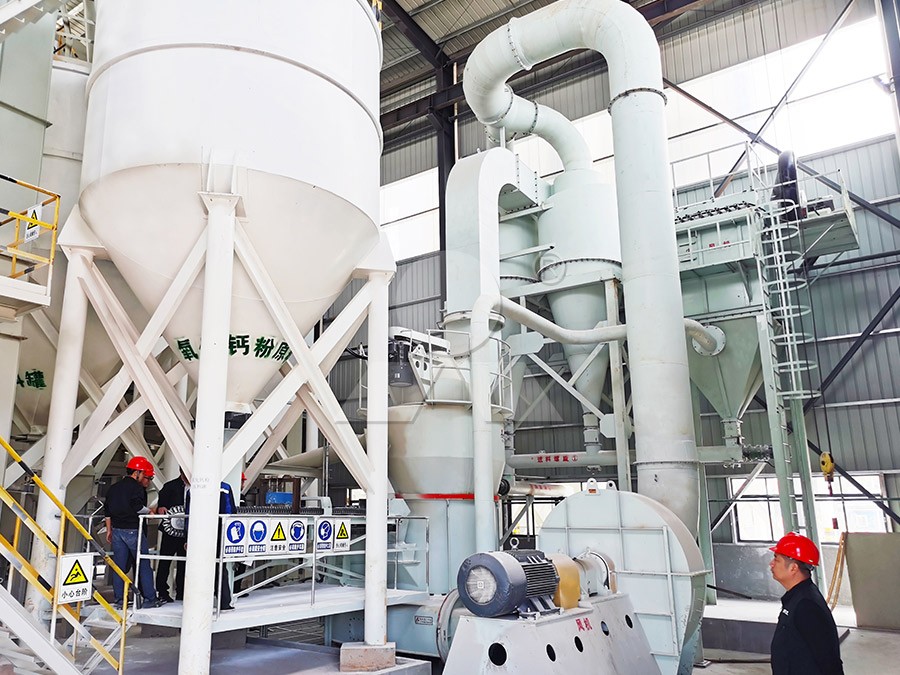
- Equipment Procurement: This is the largest cost component, encompassing the grinding mill, jaw crusher for primary size reduction, bucket elevator, vibrating feeder, screw conveyor, pulse dust collector, and intelligent control system. Selecting an integrated solution from a single supplier like us can often lead to better pricing and guaranteed compatibility.
- Civil Works & Installation: Costs for foundation construction, plant structure, and equipment installation labor. Mills with a compact design, such as vertical roller mills, reduce the required building size and thus civil costs.
- Electrical Infrastructure: This includes transformers, power distribution cabinets, and cabling to support the entire system’s power demand.
Operational Expenditure (OPEX)
- Power Consumption: The grinding mill is the primary consumer. Opting for an energy-efficient model like the MW Mill directly and dramatically lowers the ongoing electricity bill, which is the largest OPEX factor.
- Wear Parts Consumption: The cost and frequency of replacing grinding rollers, rings, and liner plates. Machines designed with durable, high-performance wear-resistant alloys and reversible structures for easy maintenance keep these costs predictable and low.
- Labor: A highly automated plant with a central control system requires minimal manual intervention, reducing long-term labor costs.
- Maintenance: Routine upkeep and unexpected repairs. Reliable equipment with accessible spare parts and strong technical support minimizes downtime and associated losses.
Conclusion
The selection of the grinding mill is the cornerstone of a successful calcium carbide slag processing venture. While initial investment is important, the long-term operational savings from energy efficiency, low wear, and high reliability should be the deciding factors. The MW Ultrafine Grinding Mill, with its advanced design, environmental benefits, and proven performance, provides an excellent return on investment, ensuring your plant is productive, profitable, and sustainable for years to come. A thorough cost analysis, considering both CAPEX and OPEX, is essential for making an informed financial decision.