
How Much Does a 300-Mesh Calcium Carbide Slag Grinding Machine Cost?
We provide a wide range of mills — including Raymond mill, trapezoidal mill, vertical mill, ultrafine mill, and ball mill, obtained ISO9001 international quality certification, EU CE certification, and Customs Union CU-TR certification. Suitable for processing minerals such as limestone, phosphate, quicklime, kaolin, talc, barite, bentonite, calcium carbonate, dolomite, coal, gypsum, clay, carbon black, slag, cement raw materials, cement clinker, and more.
The discharge range of these mills can be adjusted to meet specific processing needs, typically from 80-400 mesh, 600-3250 mesh, and can achieve the finest particle size of up to 6000 mesh(D50).
If you are looking for a reliable grinding solution to turn stone or minerals into fine powder, please feel free to contact our online customer service.
How Much Does a 300-Mesh Calcium Carbide Slag Grinding Machine Cost?
Hey there, fellow industry proffesionals. If you’re in the market for a grinding machine capable of handling calcium carbide slag at a fineness of 300 mesh, you’ve landed on the right article. The cost isn’t a simple sticker price; it’s a complex equation involving machine type, capacity, technology, and long-term operational expenses. Let’s break it down.
Understanding the Application: Grinding Calcium Carbide Slag
Calcium carbide slag is a by-product with unique properties. Achieving a uniform 300-mesh grind is crucial for its effective reuse in applications like construction materials or desulfurization. This requires a mill that offers precise fineness control, high efficiency, and robust construction to handle the material’s abrasiveness.
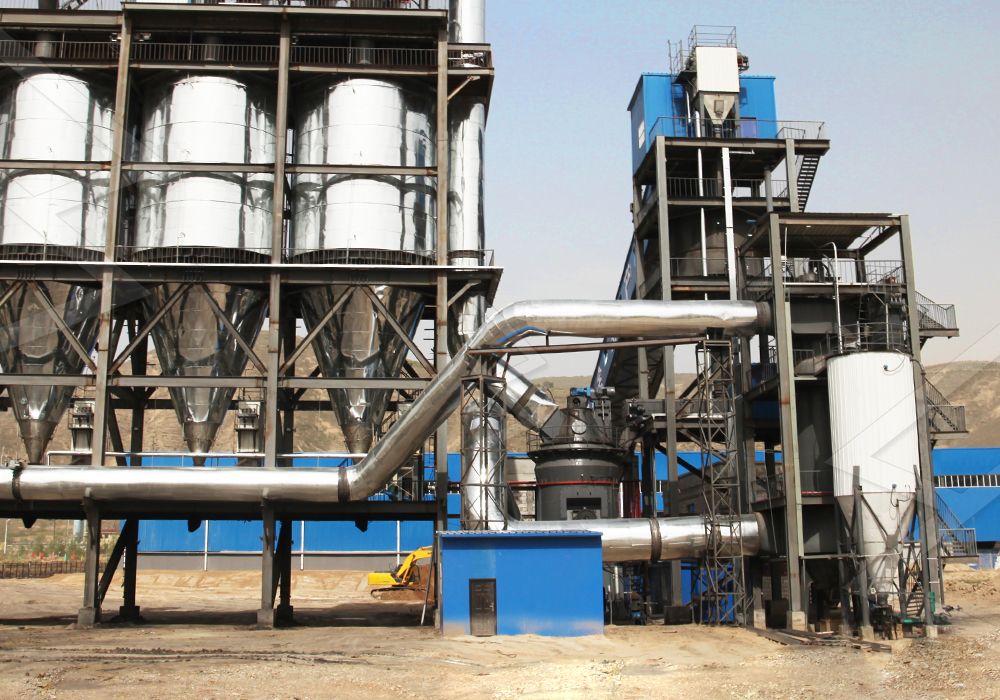
Key Factors Influencing the Grinding Mill Cost
The price tag can vary wildly from tens of thousands to hundreds of thousands of dollars. Here’s what you’re really paying for:
- Capacity (TPH): How much material do you need to process per hour? A 5 TPH machine costs significantly less than a 25 TPH system.
- Technology & Efficiency: Advanced mills with higher yields and lower energy consumption command a higher initial price but offer massive savings over time. This is where the return on investment (ROI) is calculated.
- Build Quality & Materials: Mills built with wear-resistant alloys and precision machining last longer and require less maintenance, impacting the upfront cost.
- Automation & Environmental Controls: Integrated dust collectors, silencers, and automated control systems add to the cost but are often non-negotiable for modern, eco-friendly plants.
Recommended Solution: MW Ultrafine Grinding Mill
For a 300-mesh calcium carbide slag application, we highly recommend evaluating our MW Ultrafine Grinding Mill. It’s engineered specifically for customers who need to make ultra-fine powder like yours.
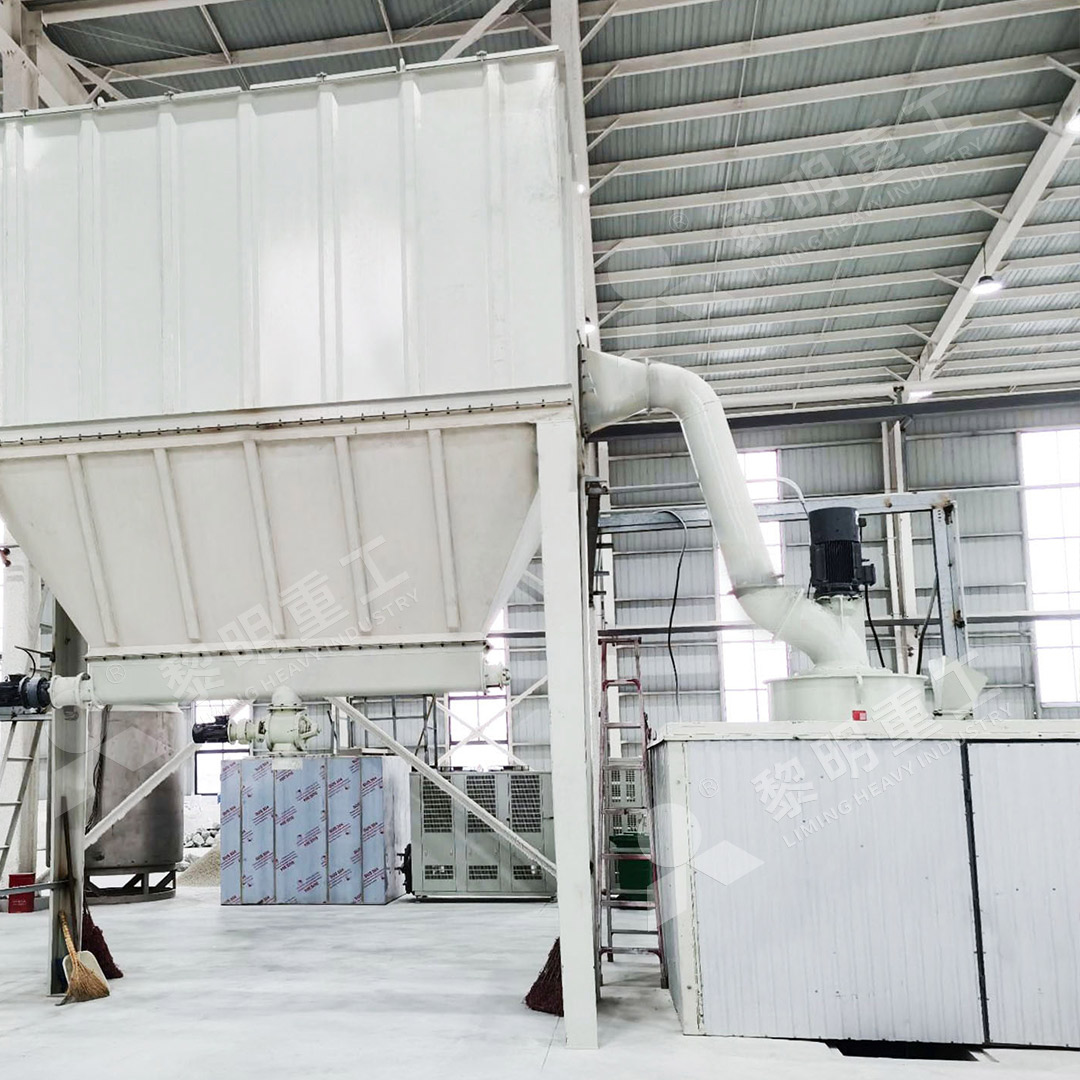
Here’s why the MW Series stands out for your project:
- Precise Fineness Control: Its cage-type powder selector, adopting German tech, allows you to accurately adjust the fineness between 325-2500 meshes. Hitting your 300-mesh target is easy and consistent.
- Higher Yield, Lower Energy Bills: Its newly designed grinding curves make it 40% more efficient than jet mills and twice as productive as ball mills, while slashing energy use by 30%. This directly reduces your cost per ton.
- Built for Reliability: A key feature is the absence of rolling bearings and screws in the grinding chamber. This eliminates a major source of machine failure and allows for external lubrication without shutdown, enabling 24/7 operation.
- Eco-Friendly Operation: It comes equipped with an efficient pulse dust collector and muffler, ensuring your entire milling process meets strict environmental protection standards with no dust pollution.
Specs for your project: Input Size: 0-20 mm, Capacity: 0.5-25 tph. We can help you select the perfect model size based on your required hourly output.
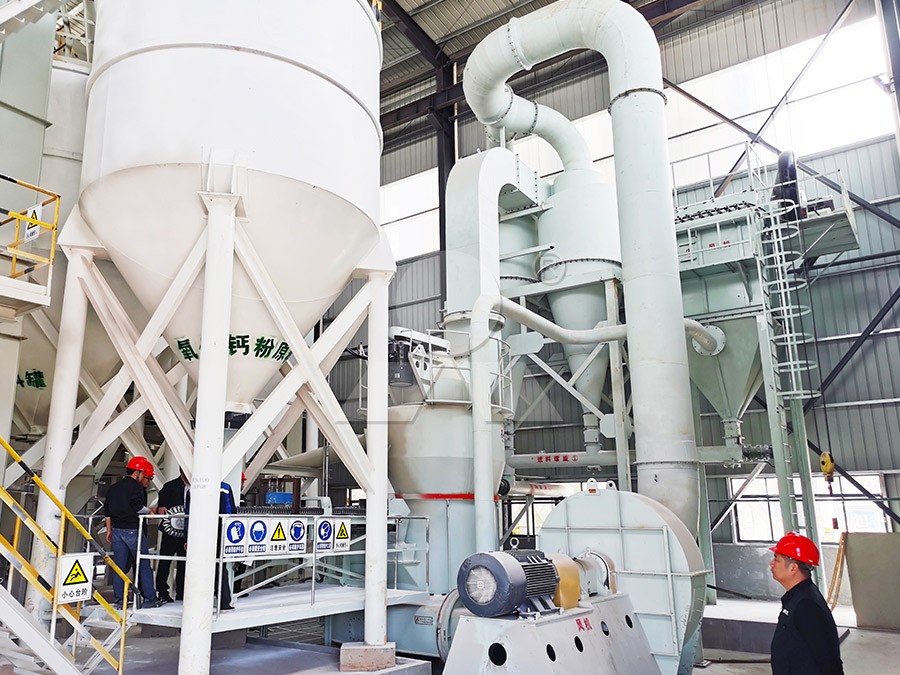
Considering a Vertical Option? LUM Ultrafine Vertical Grinding Mill
Another fantastic option for a finer, drier product is our LUM Ultrafine Vertical Grinding Mill. It integrates grinding, grading, and transporting. Its unique roller shell design promotes easier material layer formation, resulting in a high rate of finished product in a single pass. It’s also incredibly energy-saving, reducing consumption by 30%-50% compared to common grinders. With input size of 0-10mm and capacity of 5-18 tph, it’s a powerhouse for precise operations.
So, What’s the Final Cost?
As you can see, there’s no one-size-fits-all answer. A smaller capacity MW series mill might start in the lower range, while a high-capacity, fully-equipped system will be a larger capital investment. However, the true cost is measured over years of operation. The superior efficiency, lower energy consumption, minimal maintenance, and high uptime of our MW and LUM mills translate to a significantly lower total cost of ownership compared to cheaper, less advanced alternatives.
The best way to get an accurate quote? Contact us directly. Provide our engineers with your specific capacity requirements, desired fineness, and site conditions. We’ll provide a detailed quotation for the machine that offers the best value and performance for your calcium carbide slag grinding needs, ensuring you get the right machine at the right price.