
Application of New Environmentally Friendly Limestone Powder Production Technology in Modern Industry
We provide a wide range of mills — including Raymond mill, trapezoidal mill, vertical mill, ultrafine mill, and ball mill, obtained ISO9001 international quality certification, EU CE certification, and Customs Union CU-TR certification. Suitable for processing minerals such as limestone, phosphate, quicklime, kaolin, talc, barite, bentonite, calcium carbonate, dolomite, coal, gypsum, clay, carbon black, slag, cement raw materials, cement clinker, and more.
The discharge range of these mills can be adjusted to meet specific processing needs, typically from 80-400 mesh, 600-3250 mesh, and can achieve the finest particle size of up to 6000 mesh(D50).
If you are looking for a reliable grinding solution to turn stone or minerals into fine powder, please feel free to contact our online customer service.
Application of New Environmentally Friendly Limestone Powder Production Technology in Modern Industry
The modern industrial landscape is undergoing a significant transformation, driven by the dual imperatives of efficiency and environmental responsibility. Nowhere is this more evident than in the production of limestone powder, a critical raw material for industries ranging from construction and plastics to pharmaceuticals and agriculture. Traditional grinding methods, often characterized by high energy consumption, significant dust emissions, and substantial noise pollution, are increasingly being replaced by advanced, eco-conscious technologies. This shift is not merely a regulatory compliance issue but a strategic move towards sustainable and cost-effective manufacturing.
One of the most significant challenges in limestone processing has been achieving the desired ultra-fine particle sizes while minimizing the environmental footprint. Conventional ball mills, for instance, are notoriously energy-intensive and generate considerable heat and noise. The new generation of grinding technology addresses these issues head-on, integrating features like advanced dust collection systems, noise reduction chambers, and highly efficient grinding mechanisms that consume significantly less power.
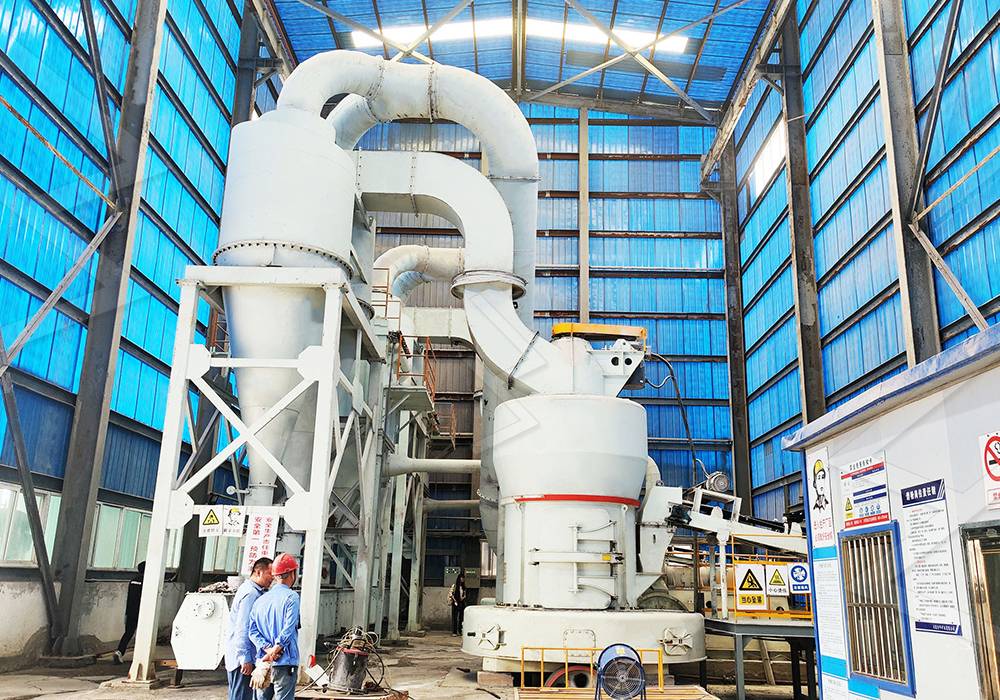
At the forefront of this green revolution is equipment like the MW Ultrafine Grinding Mill. This machine is a peime example of engineering designed for the eco-conscious producer. With an input size of 0-20 mm and a capacity range of 0.5-25 tph, it is versatile enough for various production scales. Its key environmental advantage lies in its integrated efficient pulse dust collector and muffler, which virtually eliminate dust pollution and drastically reduce operational noise, ensuring the entire production process aligns with stringent national environmental protection standards. Furthermore, its innovative design, which excludes rolling bearings and screws from the grinding chamber, eliminates common failure points and associated maintenance, contributing to a cleaner, more reliable operation.
The applications for high-purity, finely ground limestone are vast. In the chemical industry, it’s a key filler. In paints and cosmetics, it affects texture and brightness. The food and pharmaceutical industries rely on its high purity as an additive. The technology behind the MW Mill, particularly its German-designed cage-type powder selector, allows for precise fineness adjustment between 325-2500 meshes, ensuring product quality and consistency for these diverse applications. The higher yield and lower energy consumption—reportedly 40% higher output than jet mills and 30% lower system energy consumption—translate directly to a reduced carbon footprint and lower operating costs.
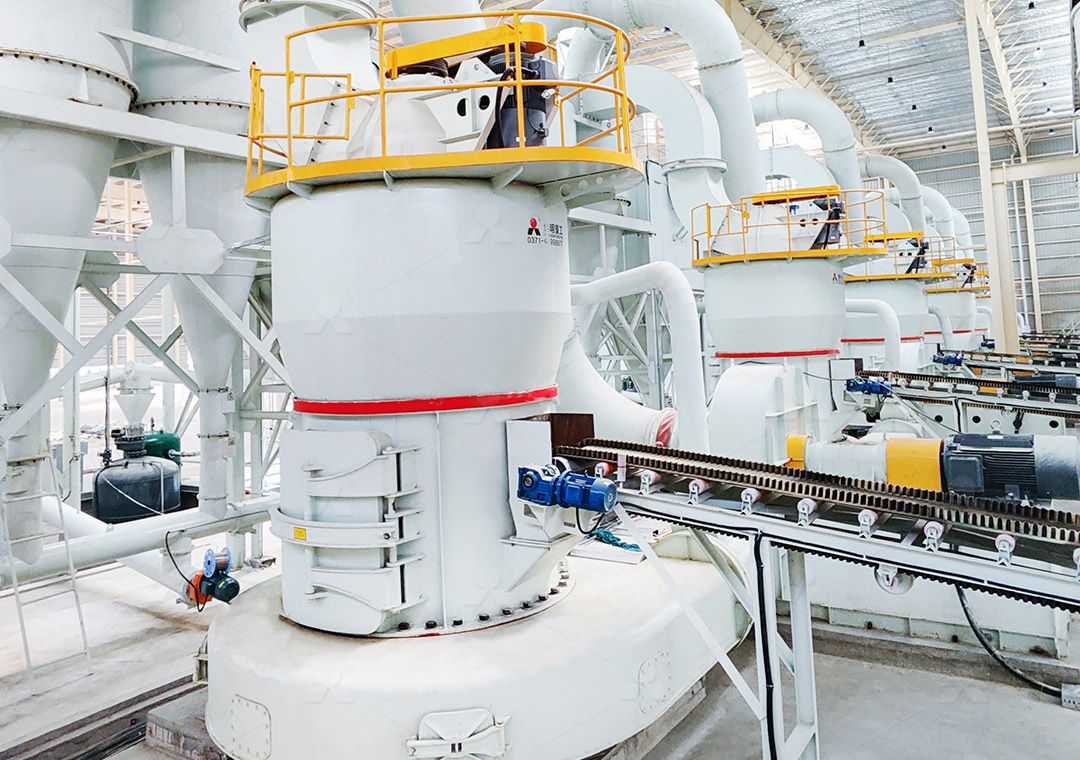
Another stellar solution for modern operations is the LUM Ultrafine Vertical Grinding Mill. This mill builds upon the same philosophy of efficiency and sustainability. It handles a slightly smaller input size (0-10 mm) with a capacity of 5-18 tph. Its standout feature is the incorporation of the latest grinding roller technology and German powder separating technology. The LUM mill’s design avoids traditional problems like long material lingering time and high iron content, which can compromise product whiteness and quality. Its multi-head powder separating technology, controlled by a PLC system, offers unparalleled precision in classifying powder, reducing energy consumption by 30-50% compared to common grinding mills. The double position-limiting technology ensures exceptional operational stability, protecting the machinery from vibrational damage and guaranteeing consistent output.
The adoption of these environmentally friendly technologies represents more than an equipment upgrade; it signifies a commitment to sustainable industrial practices. Companies that invest in such machinery not future-proof their operations against tightening environmental regulations but also enhance their brand image, reduce long-term operational costs, and contribute to a healthier planet. The seamless integration of crushing, drying, grinding, and classifying in a single, compact unit, as seen in these advanced mills, also reduces the overall physical footprint of the plant, further minimizing the environmental impact.
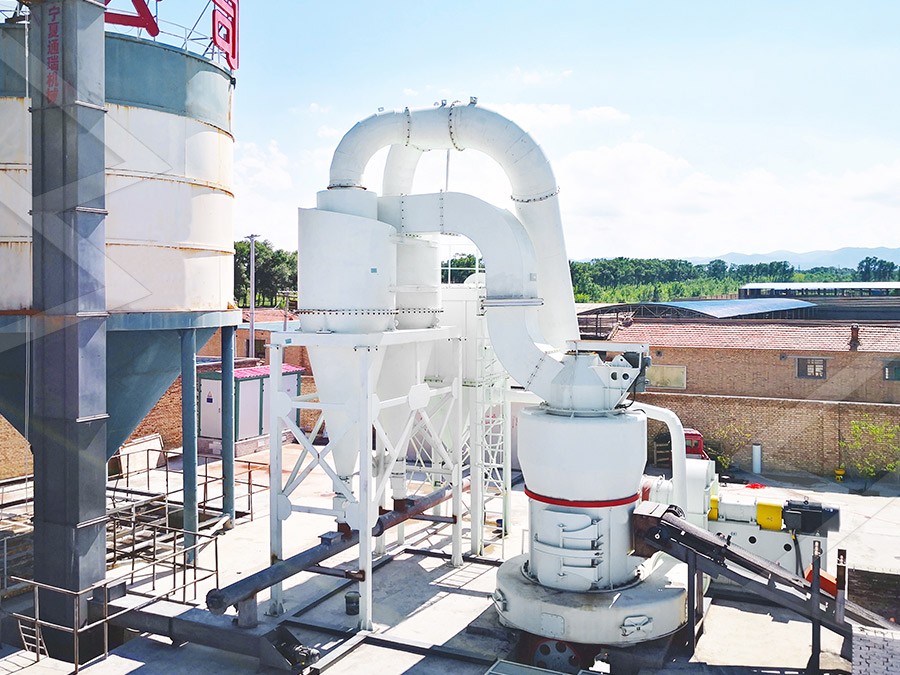
In conclusion, the application of new environmentally friendly limestone powder production technology is a critical step forward for modern industry. By leveraging advanced equipment like the MW Ultrafine Grinding Mill and LUM Ultrafine Vertical Grinding Mill, producers can achieve superior product quality, remarkable operational efficiency, and exemplary environmental performance. This synergy of economy and ecology is the definitive path forward for responsible and profitable industrial manufacturing.