Environmentally Friendly Dust Removal Solutions for Mica Grinding Workshops
We provide a wide range of mills — including Raymond mill, trapezoidal mill, vertical mill, ultrafine mill, and ball mill, obtained ISO9001 international quality certification, EU CE certification, and Customs Union CU-TR certification. Suitable for processing minerals such as limestone, phosphate, quicklime, kaolin, talc, barite, bentonite, calcium carbonate, dolomite, coal, gypsum, clay, carbon black, slag, cement raw materials, cement clinker, and more.
The discharge range of these mills can be adjusted to meet specific processing needs, typically from 80-400 mesh, 600-3250 mesh, and can achieve the finest particle size of up to 6000 mesh(D50).
If you are looking for a reliable grinding solution to turn stone or minerals into fine powder, please feel free to contact our online customer service.
Environmentally Friendly Dust Removal Solutions for Mica Grinding Workshops
Mica grinding operations are notorious for generating significant amounts of fine, respirable dust. This dust not only poses serious health risks to operators, including silicosis and other respiratory ailments, but also creates environmental contamination and can lead to cross-contamination of products. Traditional dust control methods, such as basic baghouses or simple ventilation, often fall short in capturing the ultra-fine particles produced during mica comminution. For modern workshops, implementing a holistic, environmentally friendly dust removal strategy is no longer a luxury—it’s a necessity for compliance, worker safety, and sustainable operation.
The Challenge of Mica Dust
Mica’s platy structure means it easily breaks down into very fine, lightweight flakes that can remain airborne for extended periods. Effective control requires more than just a simple filter; it demands a system integrated directly with the grinding process itself. The key is to capture dust at the source before it has a chance to escape into the workshop environment. This is where the choice of grinding mill becomes absolutely critical. An open-system mill will constantly battle dust, while a closed-loop system with an integrated, high-efficiency collector is the foundation of a clean operation.
Integrating Dust Control into the Grinding Process
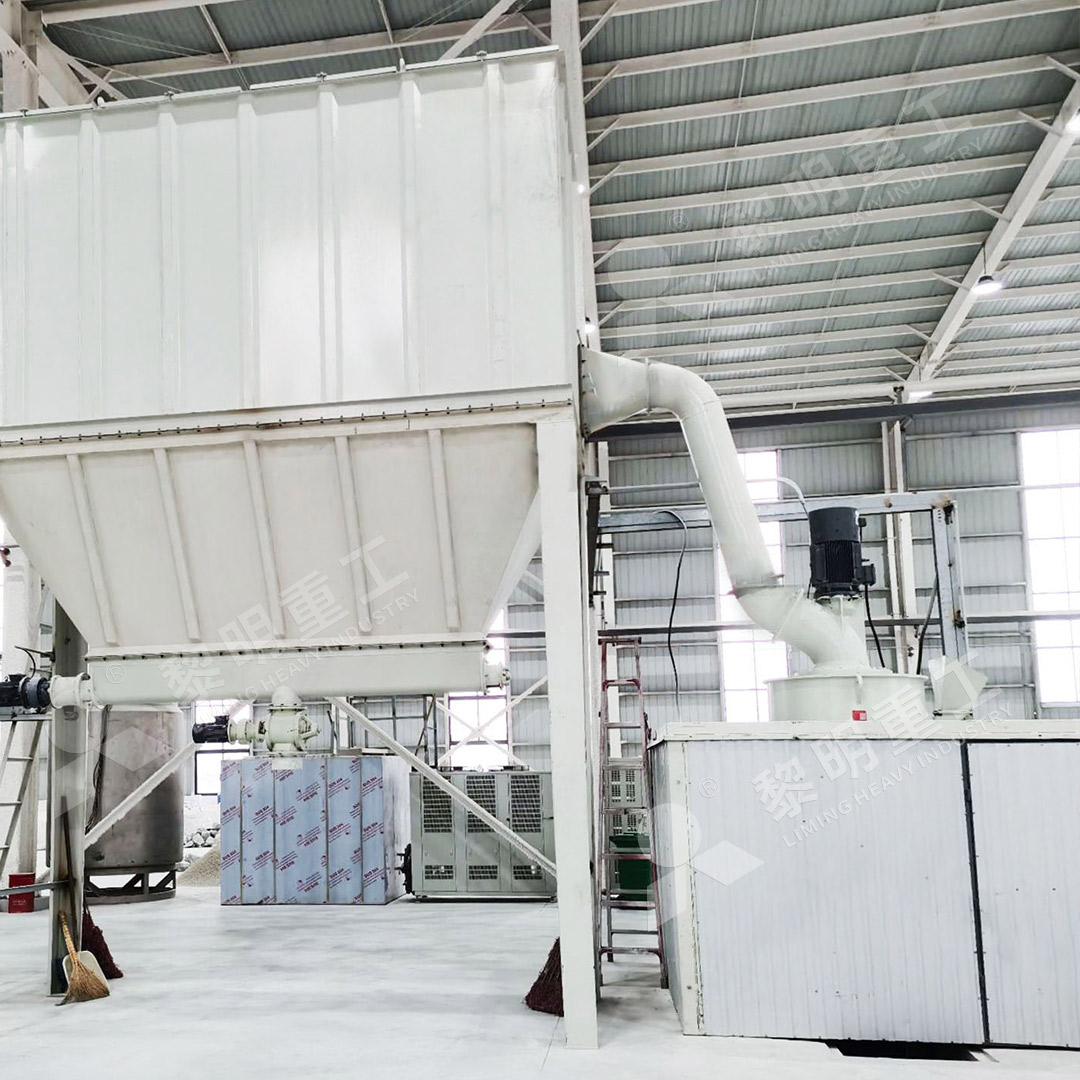
The most effective solution is to select grinding equipment designed with environmental protection as a core principle, not an afterthought. This means opting for mills that feature fully enclosed systems and are equipped with high-performance pulse jet dust collectors.
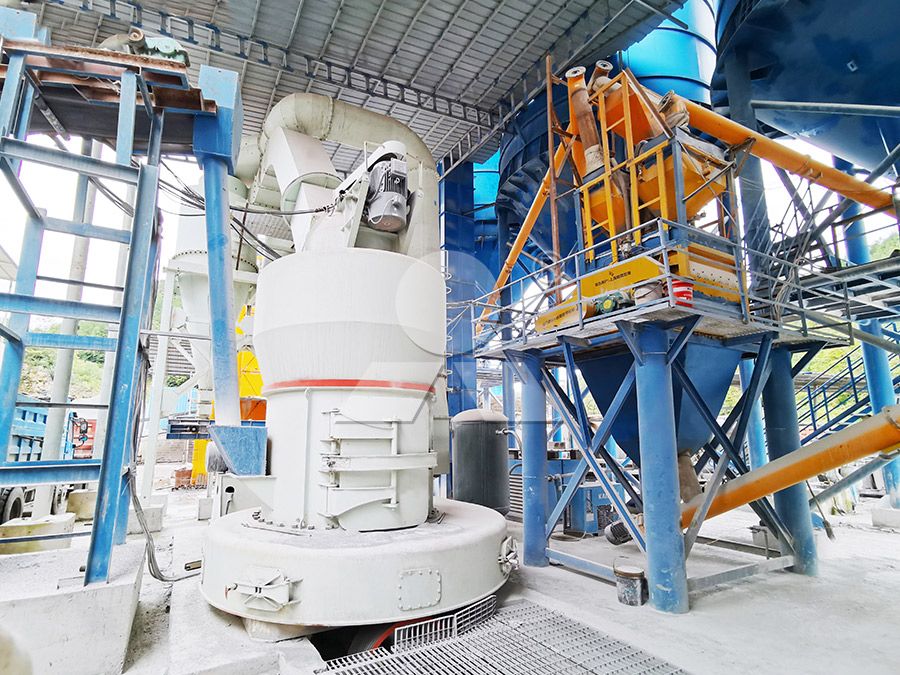
A prime example of this integrated approach is our MW Ultrafine Grinding Mill. This machine is engineered from the ground up to minimize environmental impact. It comes equipped with an efficient pulse dust collector and muffler, which work in tandem to significantly reduce both dust emissions and operational noise. The entire production process is sealed, preventing dust from escaping at any point. With an input size of 0-20 mm and a capacity ranging from 0.5 to 25 tph, it’s perfectly suited for various scales of mica processing. Its cage-type powder selector allows for precise fineness adjustment between 325-2500 meshes, ensuring you get the exact product you need without compromising on cleanliness.
Beyond the Mill: Complementary Dust Management Strategies
While the right mill is the heart of your dust control system, a comprehensive strategy includes other best practices:
- Local Exhaust Ventilation (LEV): Installing capture hoods at other potential dust release points, such as bagging stations or transfer points.
- Regular Maintenance: A well-maintained mill and dust collector are more efficient. This includes regularly checking and replacing filter bags, ensuring all seals are tight, and keeping ductwork clean.
- Worker Training & PPE: Even with the best engineering controls, operators should be trained on dust hazards and provided with appropriate personal protective equipment like respirators.
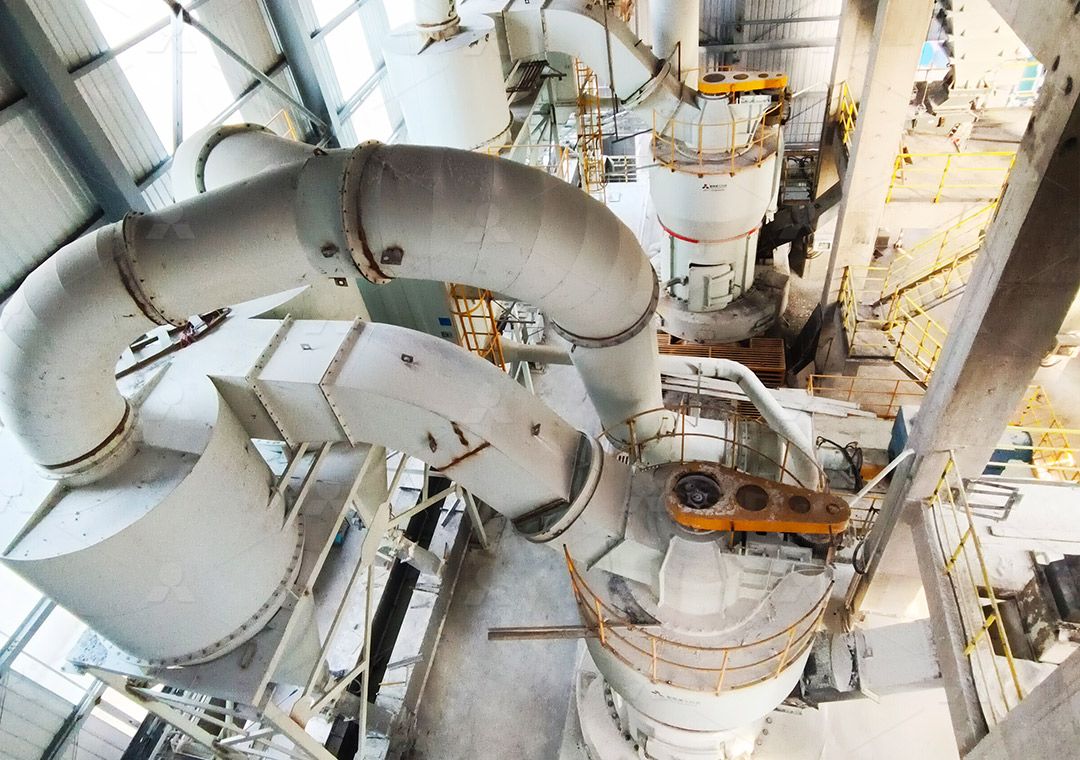
For operations requiring vertical grinding technology, our LUM Ultrafine Vertical Grinding Mill presents another excellent option. It integrates advanced grinding with efficient material separation and conveying within a sealed structure. Its negative pressure operation ensures that any potential leakage is inward, preventing dust from spilling into the workshop. This makes it another formidable choice for maintaining an eco-friendly production environment.
Conclusion: Investing in Clean Production
Adopting environmentally friendly dust removal solutions is a smart investment. It protects your most valuable asset—your employees—ensures regulatory compliance, reduces product loss, and enhances your company’s reputation for sustainability. By choosing equipment like the MW or LUM grinding mills, which bake dust control directly into their design, mica grinding workshops can achieve high productivity without sacrificing a commitment to health and environmental standards. The result is a safer, cleaner, and more profitable operation.