
Application of Talc Powder in Leather Manufacturing Process
We provide a wide range of mills — including Raymond mill, trapezoidal mill, vertical mill, ultrafine mill, and ball mill, obtained ISO9001 international quality certification, EU CE certification, and Customs Union CU-TR certification. Suitable for processing minerals such as limestone, phosphate, quicklime, kaolin, talc, barite, bentonite, calcium carbonate, dolomite, coal, gypsum, clay, carbon black, slag, cement raw materials, cement clinker, and more.
The discharge range of these mills can be adjusted to meet specific processing needs, typically from 80-400 mesh, 600-3250 mesh, and can achieve the finest particle size of up to 6000 mesh(D50).
If you are looking for a reliable grinding solution to turn stone or minerals into fine powder, please feel free to contact our online customer service.
Application of Talc Powder in Leather Manufacturing Process
In the intricate world of leather manufacturing, every detail counts. From the initial hide preparation to the final finishing touches, each step requires precision and the right materials to ensure a high-quality, durable, and supple end product. One such crucial material, often overlooked, is talc powder. This naturally occurring mineral plays a pivotal role in several stages of the leather production process, enhancing both the manufacturing efficiency and the final product’s characteristics.
The Multifaceted Role of Talc in Leatherworking
Talc, a hydrous magnesium silicate, is valued for its softness, lubricity, and moisture-absorbing properties. In leather production, its primary application is as an anti-sticking agent. After the tanning process, leather hides are often damp and have a tendency to cling together, which can lead to damage, discoloration, or unwanted impressions on the grain surface. A light dusting of high-purity talc powder between layers prevents this adhesion, allowing for safe stacking, storage, and handling without compromising the leather’s surface integrity.
Furthermore, talc is instrumental in the finishing stages. It is used to improve the slip of leather during mechanical operations like plating or embossing, ensuring a smooth, uniform application of pressure and heat. It also aids in filling minor imperfections, creating a more consistent surface for subsequent dyeing or coating. The ability of ultrafine talc to absorb oils and fats makes it useful in degreasing certain types of hides before processing, ensuring better penetration of tanning agents and dyes.
The Critical Importance of Particle Size and Purity
Not all talc is created equal. For leather applications, the fineness and consistency of the talc powder are paramount. Coarse or irregular particles can scratch the delicate grain of the leather, leading to rejects and financial loss. The ideal talc for leather manufacturing is ultra-fine, with a consistent particle size distribution and high purity to avoid introducing any contaminants that could affect the leather’s color or chemical stability.
This is where advanced milling technology becomes indispensable. Traditional mills can struggle to achieve the precise, uniform fineness required without compromising on throughput or energy efficiency. For a consistent supply of high-quality talc powder, manufacturers need reliable grinding equipment designed specifically for ultra-fine applications.
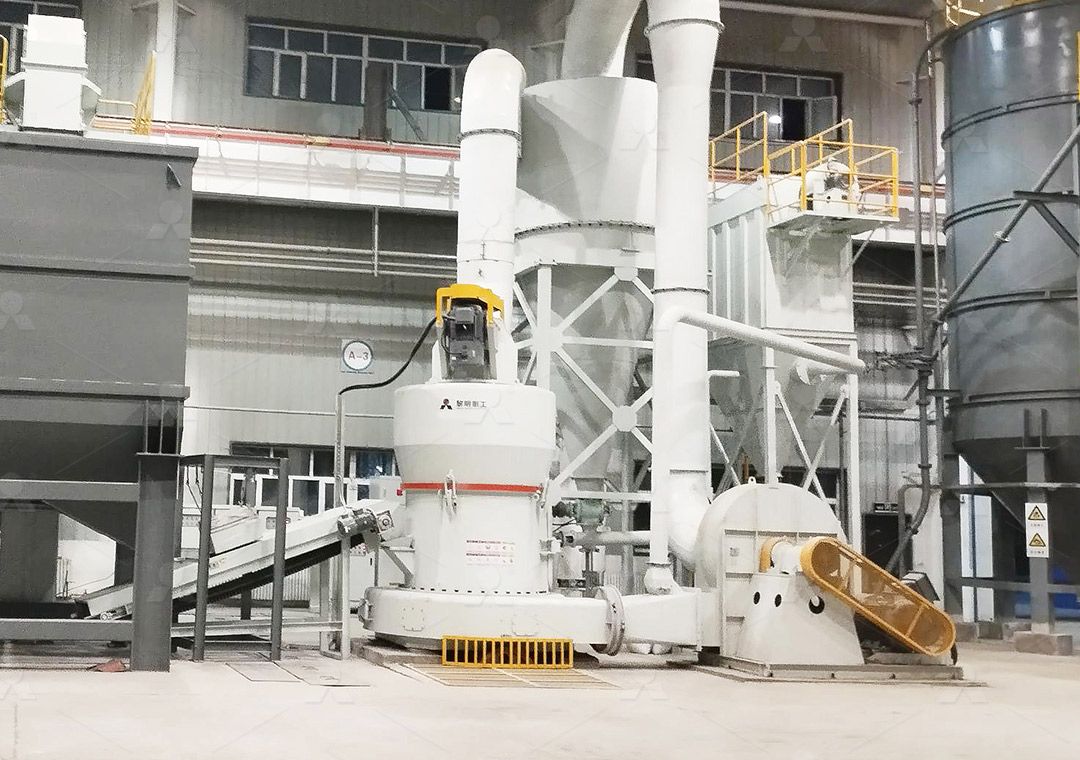
Recommended Grinding Solution: MW Ultrafine Grinding Mill
For leather chemical suppliers and talc processors aiming to meet the stringent demands of the leather industry, we highly recommend our MW Ultrafine Grinding Mill. This machine is engineered to produce the exact type of powder critical for high-end leather finishing.
The MW Mill is designed for customers who need to make ultra-fine powder. It features adjustable fineness between 325-2500 meshes, allowing you to precisely control the particle size to suit different leather applications, from coarse anti-sticking agents to fine finishing powders. Its cage-type powder selector adopts German technologies, effectively increasing the precision of powder separation to achieve a consistent product with a screening rate of d97≤5μm.
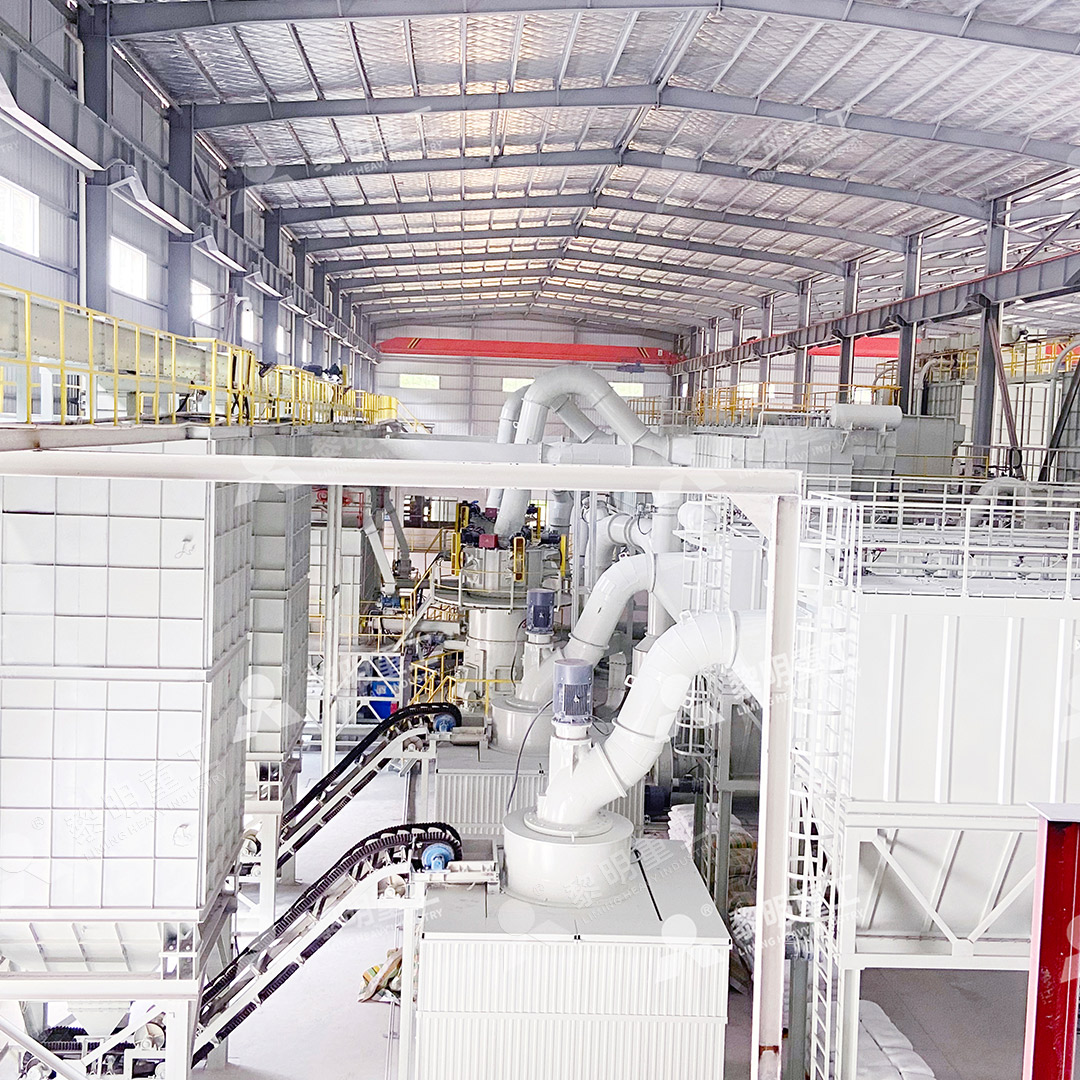
Beyond quality, the MW Mill offers practical advantages for continuous production. Its unique design with no rolling bearings or screws in the grinding chamber eliminates worries about damage from these components and prevents machine failure due to loose screws. Coupled with an external lubricating device that allows for lubrication without shutdown, this mill supports 24/7 operation to keep your supply chain moving. Moreover, it is equipped with an efficient pulse dust collector and muffler, making the entire milling process more eco-friendly with reduced dust and noise—a key consideration for modern, responsible manufacturing.
Conclusion
Talc powder is a small but significant component that contributes greatly to the quality, efficiency, and aesthetics of leather production. Investing in the right processing technology, such as the MW Ultrafine Grinding Mill, ensures a reliable supply of superior talc powder. This not only enhances the final leather product but also optimizes manufacturing operations, proving that even the finest details require powerful solutions.