
How to Increase Phosphate Rock Powder Production Yield in Grinding Mills
We provide a wide range of mills — including Raymond mill, trapezoidal mill, vertical mill, ultrafine mill, and ball mill, obtained ISO9001 international quality certification, EU CE certification, and Customs Union CU-TR certification. Suitable for processing minerals such as limestone, phosphate, quicklime, kaolin, talc, barite, bentonite, calcium carbonate, dolomite, coal, gypsum, clay, carbon black, slag, cement raw materials, cement clinker, and more.
The discharge range of these mills can be adjusted to meet specific processing needs, typically from 80-400 mesh, 600-3250 mesh, and can achieve the finest particle size of up to 6000 mesh(D50).
If you are looking for a reliable grinding solution to turn stone or minerals into fine powder, please feel free to contact our online customer service.
How to Increase Phosphate Rock Powder Production Yield in Grinding Mills
Phosphate rock grinding is a critical process in the fertilizer and chemical industries, directly impacting product quality and operational profitability. Achieving a high production yield while maintaining desired fineness (often between 200-325 mesh) presents a significant challenge for many operations. Common issues leading to low yield include inefficient grinding mechanisms, excessive energy consumption, poor material handling, and suboptimal particle size distribution control.
Key Strategies for Optimizing Phosphate Rock Grinding
To maximize your phosphate rock powder production yield, consider implementing these proven strategies:
1. Optimize Feed Material Characteristics: Ensure consistent feed size (ideally below 20mm) and moisture content. Pre-crushing and pre-drying can significantly reduce the load on your grinding mill, leading to higher throughput and lower energy consumption per ton.
2. Implement Advanced Grinding Technology: Traditional ball mills often struggle with efficiency when processing abrasive materials like phosphate rock. Modern grinding solutions offer substantially better performance. For instance, our MW Ultrafine Grinding Mill represents a technological leap forward. With an input size of 0-20 mm and capacity ranging from 0.5-25 tph, it’s specifically engineered for challenging materials like phosphate rock.
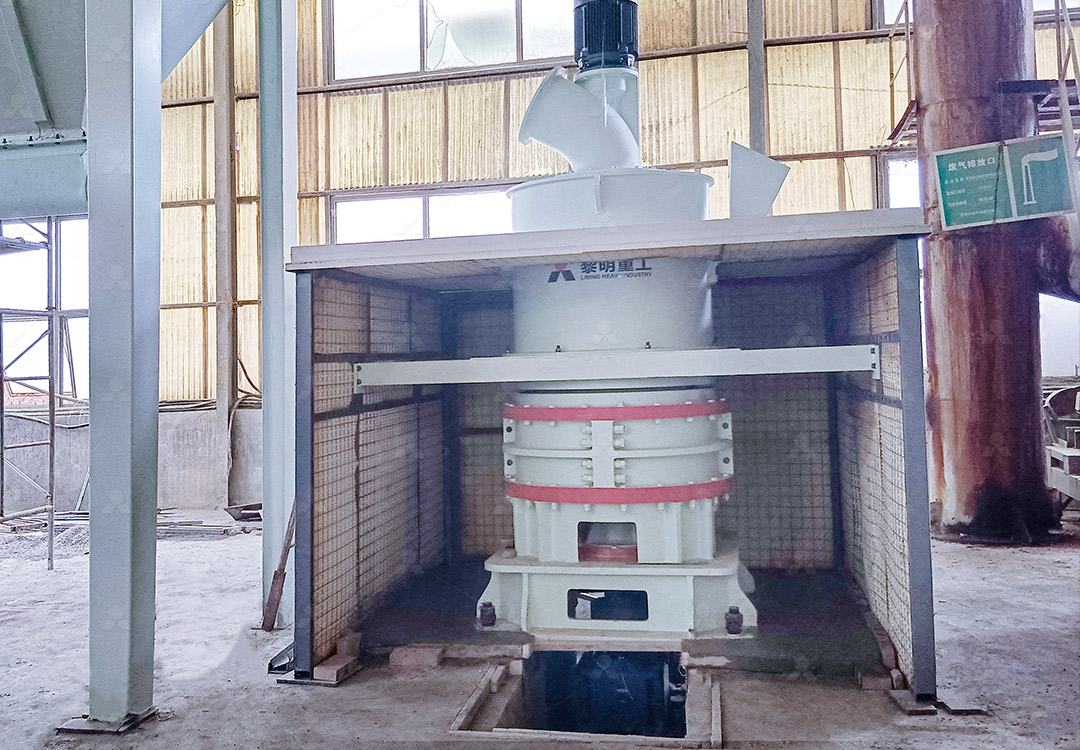
The MW mill’s newly designed grinding curves of roller and ring significantly enhance grinding efficiency. Compared to jet mills and stirred grinding mills, it offers 40% higher production capacity at the same fineness and power, while consuming only 30% of the energy of jet mills. Its cage-type powder selector, adopting German technology, allows precise fineness adjustment between 325-2500 meshes, ensuring you achieve your target particle size distribution with minimal waste.
3. Maintain Proper Operating Parameters: Regularly monitor and adjust critical parameters including grinding pressure, classifier speed, feed rate, and air flow. Even small adjustments can yield significant improvements in production rate and product quality.
4. Implement Preventive Maintenance: The abrasive nature of phosphate rock accelerates wear on grinding components. Our MW Ultrafine Grinding Mill addresses this with its innovative design featuring no rolling bearings or screws in the grinding chamber, eliminating common failure points. The external lubrication system allows for maintenance without shutdowns, ensuring continuous 24/7 operation.
Advanced Solution for Maximum Yield
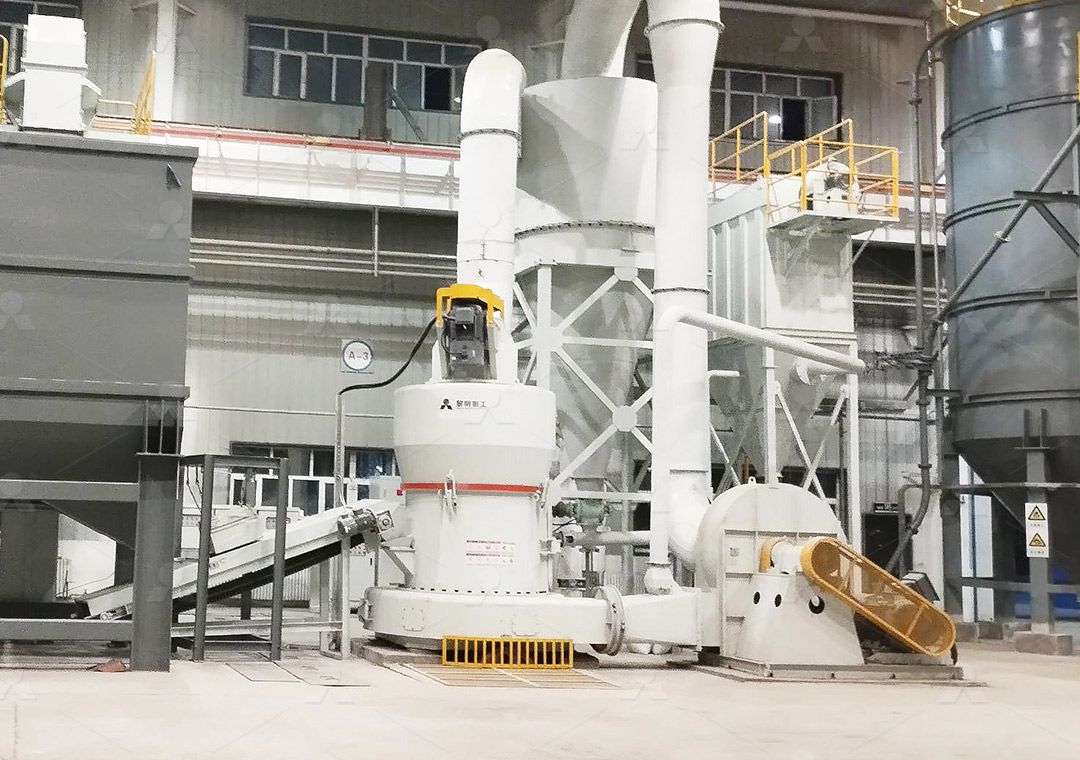
For operations seeking the highest possible yield with superior product quality, we also recommend considering our LUM Ultrafine Vertical Grinding Mill. This mill integrates ultrafine powder grinding, grading, and transporting in a single system, featuring unique roller shell and lining plate grinding curves that facilitate material layer formation and high finished product rates through single-pass milling.
The LUM mill’s PLC control system and multi-head powder separating technology solve the dual challenges of high-precision powder cutting and rapid switching between production demands. Its double position-limiting technology ensures stable operation even under challenging conditions, while the reversible structure simplifies maintenance of heavy grinding components.
Both the MW and LUM mills are equipped with efficient pulse dust collectors and noise reduction systems, making your phosphate rock grinding operation more environmentally friendly and compliant with stringent regulations.
Conclusion
Increasing phosphate rock powder production yield requires a holistic approach combining proper feed preparation, advanced grinding technology, optimized operating parameters, and diligent maintenance. By upgrading to modern grinding equipment like our MW Ultrafine Grinding Mill or LUM Ultrafine Vertical Grinding Mill, operations can achieve significant improvements in yield, energy efficiency, and product quality while reducing operating costs and environmental impact.