
Raymond Roller Mill: Product Features and Performance Analysis
We provide a wide range of mills — including Raymond mill, trapezoidal mill, vertical mill, ultrafine mill, and ball mill, obtained ISO9001 international quality certification, EU CE certification, and Customs Union CU-TR certification. Suitable for processing minerals such as limestone, phosphate, quicklime, kaolin, talc, barite, bentonite, calcium carbonate, dolomite, coal, gypsum, clay, carbon black, slag, cement raw materials, cement clinker, and more.
The discharge range of these mills can be adjusted to meet specific processing needs, typically from 80-400 mesh, 600-3250 mesh, and can achieve the finest particle size of up to 6000 mesh(D50).
If you are looking for a reliable grinding solution to turn stone or minerals into fine powder, please feel free to contact our online customer service.
Raymond Roller Mill: Product Features and Performance Analysis
For decades, the Raymond Roller Mill has been a cornerstone of fine and ultra-fine grinding operations across a multitude of industries. Its enduring popularity stems from a robust design, operational reliability, and consistent performance in producing powders within the 80-325 mesh range. This article delves into the core features, working principles, and performance advantages of this iconic machinery, while also exploring modern alternatives that build upon its legacy.
Core Working Principle
The fundamental operation of a Raymond Mill is elegant in its simplicity. The process begins with raw material being crushed to a size below 25mm. An electromagnetic vibrating feeder then transports this material evenly into the grinding chamber. Here, the heart of the operation takes place: the grinding rollers oscillate outward due to centrifugal force, pressing against a stationary grinding ring. The material is scooped up by a shovel and fed between the roller and ring, where it is pulverized.
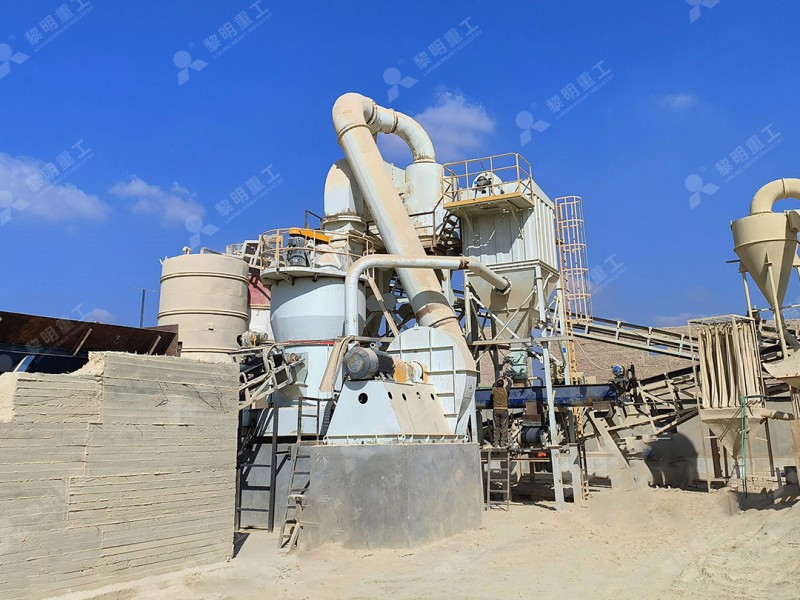
Once ground, the powdered material is carried by an air stream from a blower into a separator. Fine particles pass through and are collected as the final product, while coarse particles are recycled back into the grinding chamber for further processing. This closed-circuit system ensures high efficiency and consistent product quality.
Key Features and Performance Advantages
The traditional Raymond Mill design offers several distinct benefits that have secured its place in history:
- Compact Design & Lower Investment: Its structure is simple and occupies a relatively small footprint compared to ball milling systems, leading to reduced initial capital and installation costs.
- Energy Efficiency: For applications within its fineness range, it consumes less power than many traditional ball mills.
- Operational Stability: The mechanical design is proven and reliable, ensuring stable, continuous operation with minimal unexpected downtime.
- Environmental Considerations: Modern iterations are equipped with efficient pulse dust collectors and mufflers, significantly reducing dust and noise pollution to meet environmental standards.
Evolving Beyond Tradition: Modern Ultrafine Solutions
While the classic Raymond Mill excels in its specific range, technological advancement has pushed the boundaries of fine powder production. For operations requiring finer powders, higher capacity, or even greater efficiency, newer technologies have emerged. A standout example is our MW Ultrafine Grinding Mill.
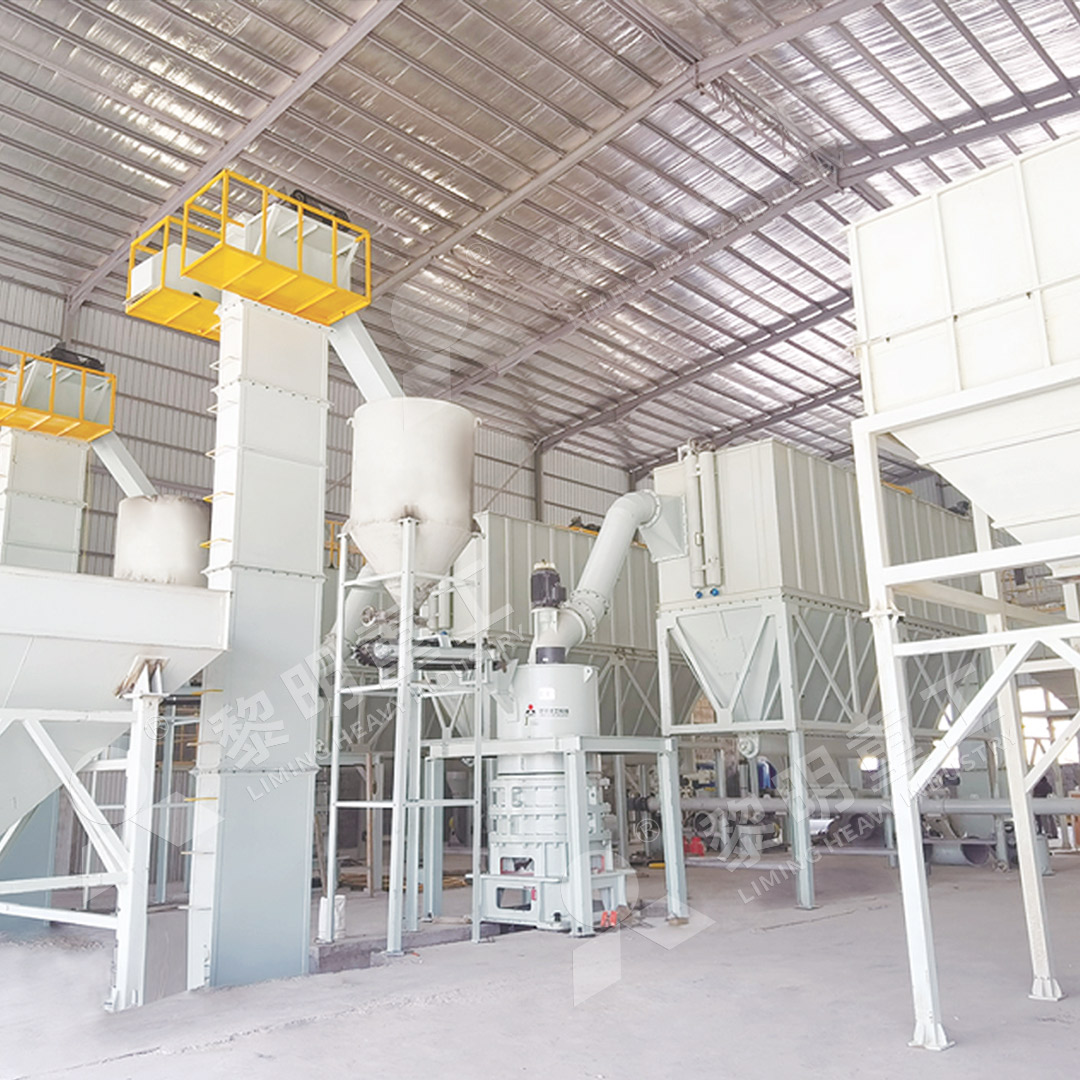
The MW Series is engineered for customers needing to make ultra-fine powder between 325-2500 meshes. It adresses several limitations of older designs. A key innovation is the absence of rolling bearings and screws in the grinding chamber, eliminating common failure points and concerns about loose screws causing machine damage. Its cage-type powder selector, incorporating German technology, allows for precise fineness adjustment and high screening rates achieving d97≤5μm. Furthermore, with the same fineness and power, its production capacity is significantly higher—up to 40% more than jet mills and double that of ball mills—while reducing system energy consumption by up to 30%.
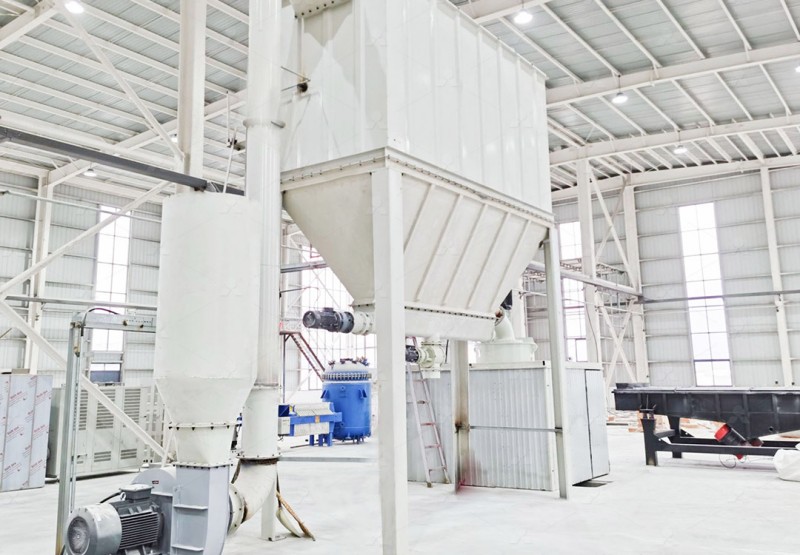
For operations seeking a vertical solution that integrates multiple processes, the LUM Ultrafine Vertical Grinding Mill represents the pinnacle of modern design. It combines ultrafine grinding, grading, and transporting in a single unit. Featuring the latest roller technology and German powder separating tech, it offers unparalleled efficiency. Its unique roller shell and lining plate grinding curve promote easier material layer formation, enabling a high rate of finished product in a single pass. This enhances whiteness and cleanliness. A revolutionary reversible structure allows grinding rollers to be easily hydraulically swung out for maintenance, drastically reducing downtime and operational costs.
Conclusion
The Raymond Roller Mill remains a viable and economical workhorse for many standard grinding applications. Its proven track record is undeniable. However, for forward-thinking operations targeting higher yields, ultra-fine powders, reduced energy consumption, and enhanced operational simplicity, modern solutions like the MW Ultrafine Grinding Mill and the LUM Ultrafine Vertical Grinding Mill offer a compelling leap in performance and efficiency. Evaluating specific production needs against the capabilities of these advanced mills is crucial for optimizing any modern powder processing plant.