
Vertical Raw Mill Maintenance: Key Mechanical Tips for Optimal Performance
We provide a wide range of mills — including Raymond mill, trapezoidal mill, vertical mill, ultrafine mill, and ball mill, obtained ISO9001 international quality certification, EU CE certification, and Customs Union CU-TR certification. Suitable for processing minerals such as limestone, phosphate, quicklime, kaolin, talc, barite, bentonite, calcium carbonate, dolomite, coal, gypsum, clay, carbon black, slag, cement raw materials, cement clinker, and more.
The discharge range of these mills can be adjusted to meet specific processing needs, typically from 80-400 mesh, 600-3250 mesh, and can achieve the finest particle size of up to 6000 mesh(D50).
If you are looking for a reliable grinding solution to turn stone or minerals into fine powder, please feel free to contact our online customer service.
Vertical Raw Mill Maintenance: Key Mechanical Tips for Optimal Performance
Alright folks, let’s talk about something that keeps plant managers up at night: vertical raw mill maintenance. These beasts are the heart of many grinding operations, and when they’re down, production grinds to a halt. I’ve been in this game for over twenty years, and I’ve seen the good, the bad, and the ugly when it comes to mill upkeep. It ain’t just about fixing things when they break; it’s about a proactive strategy to squeeze every ounce of performance out of your equipment.
The Big Three: Grinding Rollers, Grinding Table, and Separator
First things first, you gotta know what you’re lookin’ at. The core of your vertical mill’s grinding chamber is a high-wear area. The grinding rollers and the table (or ring) take a constant beating. Regular inspection is non-negotiable. Look for uneven wear patterns – that’s your first clue that something’s out of alignment or that material feed isn’t consistent. Catching this early saves you a fortune in parts and downtime later.
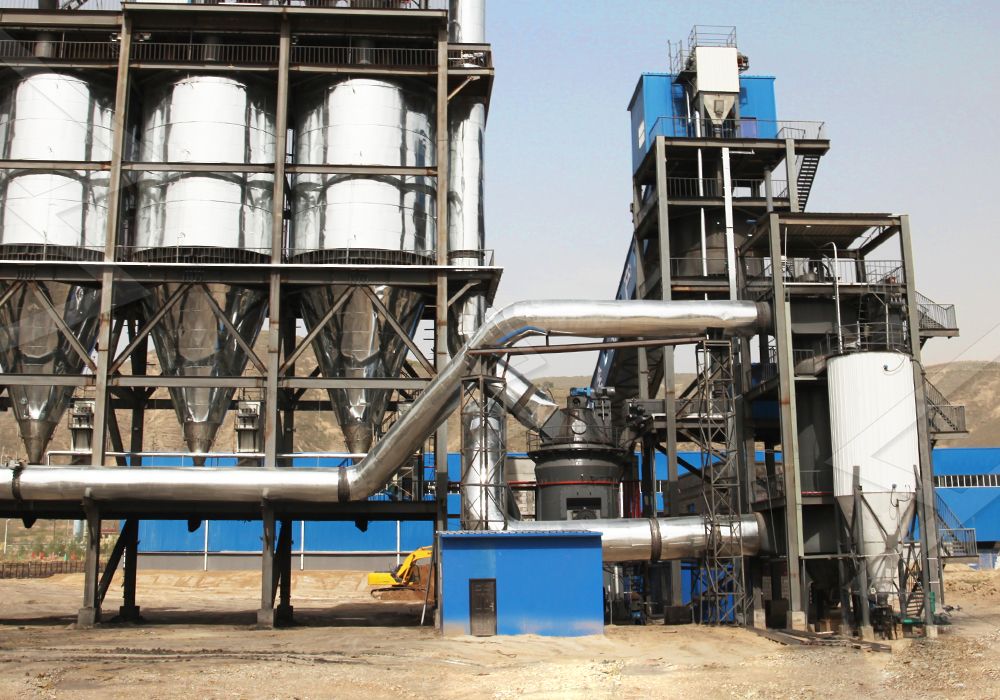
Then there’s the separator. This clever piece of machinery is what decides what’s fine enough to be product and what needs to go back for another pass. If your product fineness starts to wander off spec, the separator’s rotor vanes or cage are often the culprits. Check for wear and buildup. A clean, well-balanced separator is key to energy efficiency and product quality.
Lubrication: The Lifeblood of Your Mill
This might sound basic, but you’d be shocked how many failures trace back to poor lube practices. The gearbox and roller bearings are the big tickets here. Use the right grade of oil, and stick to the manufacturer’s change intervals like gospel. Sample your oil regularly – it’s a cheap diagnostic tool that can tell you about impending bearing wear long before it becomes a catastrophic failure. For newer mill designs, like our MW Ultrafine Grinding Mill, a huge advantage is the external lubrication system. You can perform lubrication without a shutdown, which is a massive win for continuous 24/7 operation and really minimizes those dreaded unplanned stops.
Dealing with Vibration and Alignment
Vibration is the enemy. Excessive vibration is more than just an annoyance; it’s a symptom and a cause of damage. Regularly monitor vibration levels. A sudden change is a red flag. Often, it points to misalignment, imbalance in the grinding table, or worn foundation springs. Don’t just ignore it and turn up the radio. Get it sorted. Proper alignment during assembly after maintenance is critical. A few extra hours spent getting it right can add months to your component life.
Embracing Technology for Predictive Maintenance
We’re not in the dark ages anymore. Thermography guns can spot hot bearings before they seize. Vibration analysis kits can pinpoint exactly which component is starting to fail. Ultrasound detectors can find air leaks in your system that are killing your energy efficiency. Investing in these tools and training your crew to use them transforms maintenance from a reactive cost center to a proactive, value-added part of your operation.
The Right Tool for the Job: Considering an Upgrade
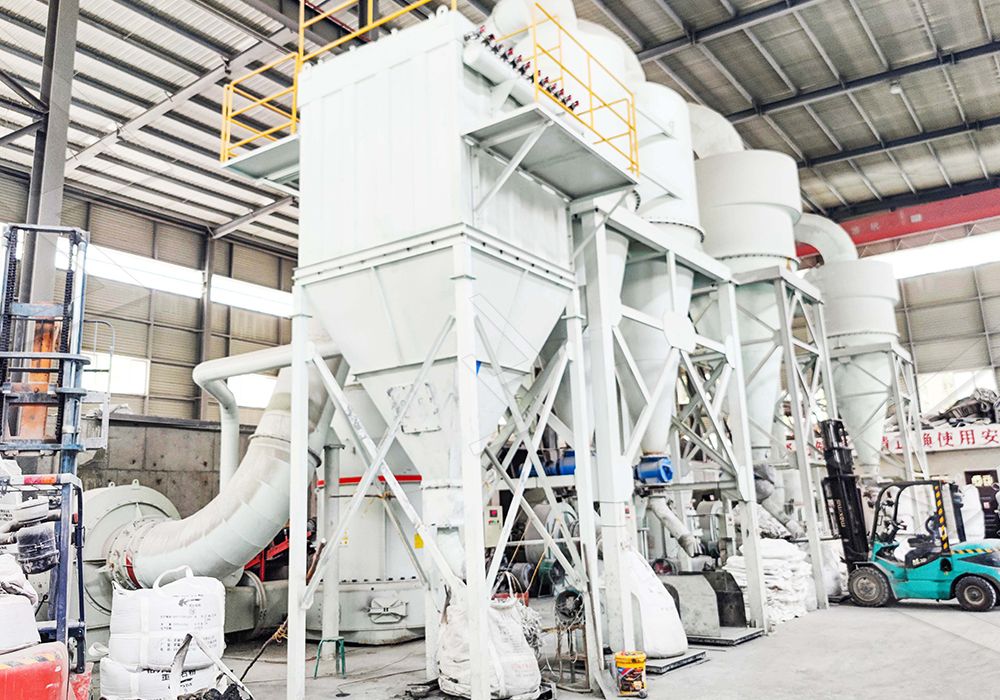
Sometimes, the best maintenance strategy is to start with a machine designed for easier upkeep. If you’re constantly battling with bearing failures inside the grinding chamber or dealing with never-ending screw tightening, it might be time to look at a more modern design. For operations focused on ultra-fine powders, our MW Ultrafine Grinding Mill is engineered to sidestep these common headaches. It has no rolling bearings or screws in the grinding chamber, eliminating those specific failure points entirely. With an input size of 0-20 mm and a capacity range of 0.5-25 tph, it’s a robust and reliable workhorse for producing powders between 325-2500 meshes, all while being kinder to the environment with its integrated pulse dust collector.
Another stellar option for demanding applications is the LUM Ultrafine Vertical Grinding Mill. It features a brilliant reversible structure that allows the heavy grinding rollers to be easily moved out of the mill body for inspection and maintenance. This design drastically reduces the time and labor required for checking and replacing wear parts like the roller shell and liner plate, directly cutting down on your valuable shutdown time. It handles a feed size of 0-10 mm with a capacity of 5-18 tph.
Wrap-Up: Consistency is Key
At the end of the day, successful vertical raw mill maintenance isn’t about heroic repairs. It’s about the boring, consistent, disciplined application of good practices: daily inspections, strict lubrication schedules, vigilant monitoring, and addressing small issues before they become big ones. Choose equipment designed for maintainability, and you’ll see the difference in your uptime, your operating costs, and your bottom line. Now go check your oil!