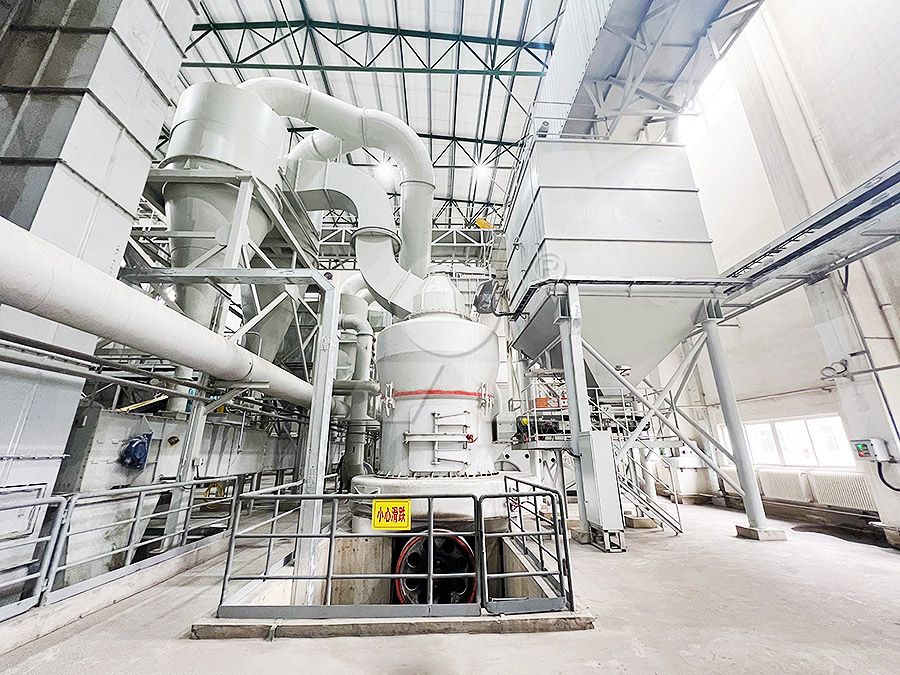
Optimizing Coal Mill Performance with Advanced Sound Measuring Systems
We provide a wide range of mills — including Raymond mill, trapezoidal mill, vertical mill, ultrafine mill, and ball mill, obtained ISO9001 international quality certification, EU CE certification, and Customs Union CU-TR certification. Suitable for processing minerals such as limestone, phosphate, quicklime, kaolin, talc, barite, bentonite, calcium carbonate, dolomite, coal, gypsum, clay, carbon black, slag, cement raw materials, cement clinker, and more.
The discharge range of these mills can be adjusted to meet specific processing needs, typically from 80-400 mesh, 600-3250 mesh, and can achieve the finest particle size of up to 6000 mesh(D50).
If you are looking for a reliable grinding solution to turn stone or minerals into fine powder, please feel free to contact our online customer service.
Optimizing Coal Mill Performance with Advanced Sound Measuring Systems
In the power generation and cement industries, coal mills are critical components for preparing pulverized coal for combustion. However, maintaining optimal mill performance is a constant challenge. Traditional methods of monitoring mill conditions—such as checking motor amperage, outlet temperature, and differential pressure—provide valuable data but often fail to detect issues early enough to prevent efficiency losses or damage. One innovative approach gaining traction is the use of advanced acoustic monitoring systems to “listen” to the mill’s operation, providing real-time insights into its internal condition.
Coal mills, by their very nature, are noisy environments. The grinding process, whether using ball mills, vertical roller mills, or Raymond mills, generates a significant acoustic signature. This signature changes subtly based on several key parameters: the grindability of the coal, the feed rate, the wear state of grinding elements like rollers and rings, and even the presence of unwanted metallic contaminants. An advanced sound measuring system uses sensitive microphones and sophisticated software algorithms to analyze these acoustic emissions. By establishing a baseline “healthy” sound profile, the system can detect anomalies indicative of problems like insufficient coal feed (leading to metal-on-metal contact and sparks), roller skewing, bearing failures, or classifier issues.
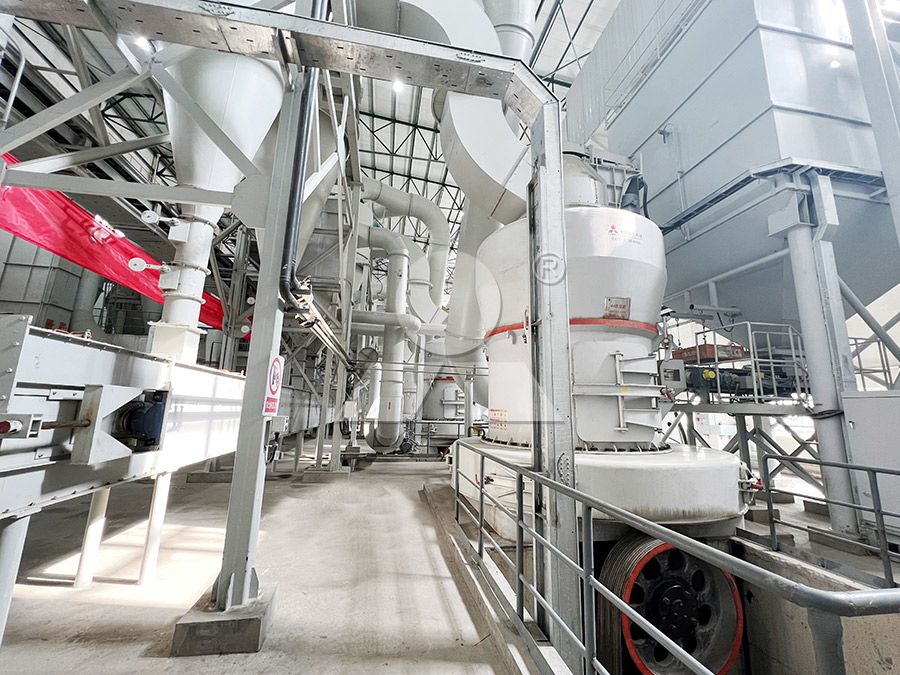
The benefits are substantial. Early detection of imbalanced grinding or component wear allows for predictive maintenance scheduling, preventing unplanned downtime and catastrophic failures. Furthermore, optimizing the mill sound can lead to more consistent product fineness, directly impacting combustion efficiency and reducing overall fuel consumption. This is where pairing advanced monitoring with high-performance grinding technology creates a powerful synergy. For operations seeking to maximize efficiency and minimize their environmental footprint, investing in modern mill design is crucial.
Enhanced Grinding for Superior Performance
For instance, our MW Ultrafine Grinding Mill is an excellent choice for operations requiring precise control over coal powder fineness. Designed for customers who need to make ultra-fine powder, this machine is engineered for higher yielding and lower energy consumption. Its newly designed grinding curves of the roller and ring enhance efficiency significantly. With a capacity range of 0.5-25 tph and the ability to adjust fineness between 325-2500 meshes, it offers remarkable flexibility. A key feature for reliability is the absence of rolling bearings and screws in the grinding chamber, eliminating common failure points and worries about loose components causing damage. Furthermore, its efficient pulse dust collector and muffler ensure the grinding process is not only efficient but also environmentally responsible, reducing both dust and noise pollution—a perfect complement to any acoustic optimization system.
A Vertical Leap in Efficiency
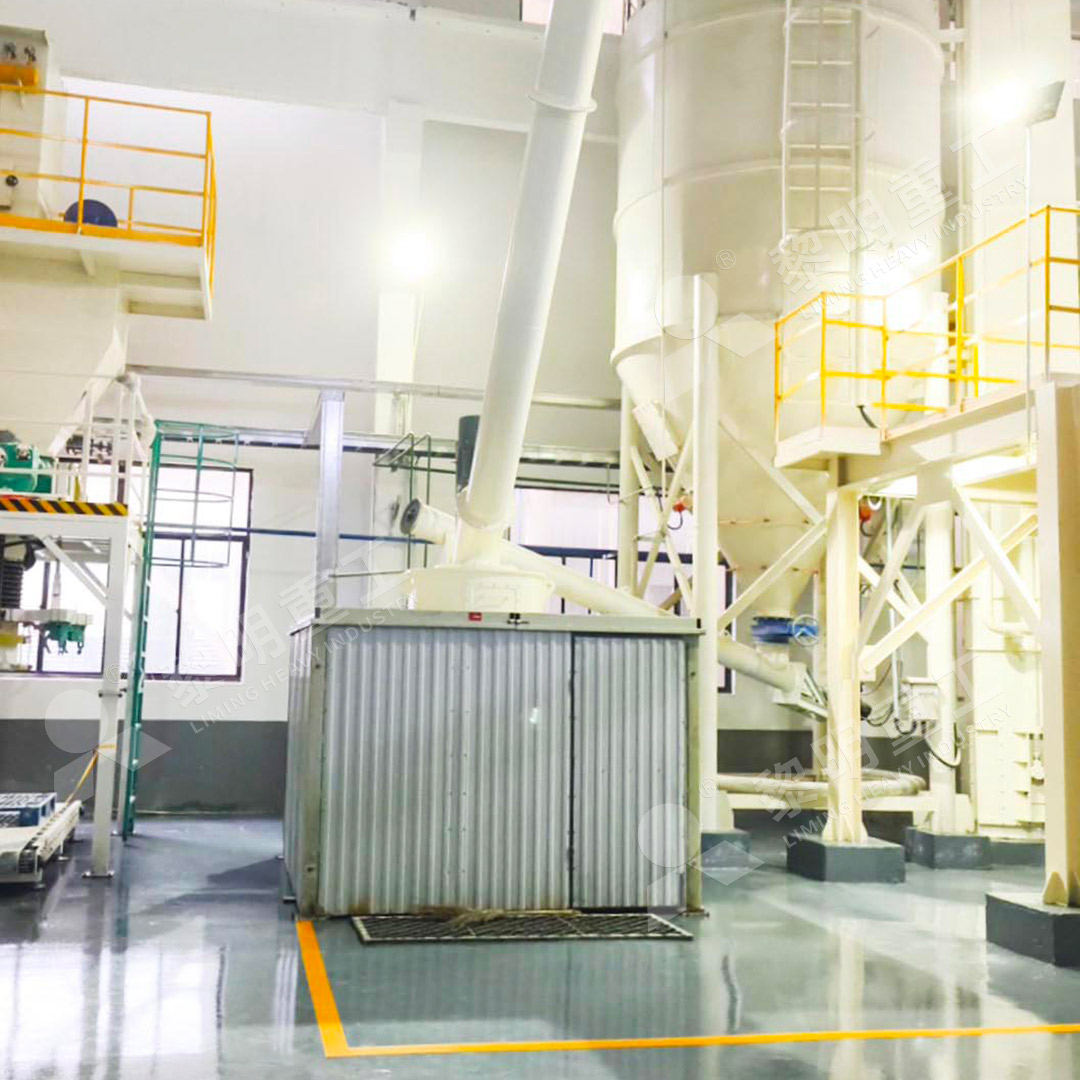
For larger-scale applications, our LM Vertical Coal Mill represents a significant leap forward. With a capacity of 5-100T/H, it integrates drying, grinding, powder selection, and conveying into a single, compact unit. Its simple and reliable operation is ensured by limit devices that prevent direct contact between the grinding roller and table, avoiding severe vibration. The mill boasts high grinding efficiency, saving 40%-50% power consumption compared to traditional ball mills, and provides stable product quality with a narrow particle size distribution. The whole system operates under negative pressure, preventing dust overflow, and features a low noise level, making its acoustic signature easier to monitor and analyze for peak performance. This combination of high automation, environmental friendliness, and energy efficiency makes it an ideal backbone for a modern, sensor-driven plant.
In conclusion, while advanced sound measuring systems provide the critical data needed for real-time optimization and predictive maintenance, their effectiveness is ultimately dependent on the underlying equipment’s quality and design. Integrating these smart monitoring tools with robust, high-efficiency mills like the MW Ultrafine Grinding Mill or the LM Vertical Coal Mill creates a holistic solution for achieving unparalleled operational efficiency, reduced energy costs, and improved environmental compliance in coal grinding operations.